
Information & Tips
28 Oktober 2026
Which Is More Cost-Effective for Import and Export Sea or Air Here Are the Pros and Cons
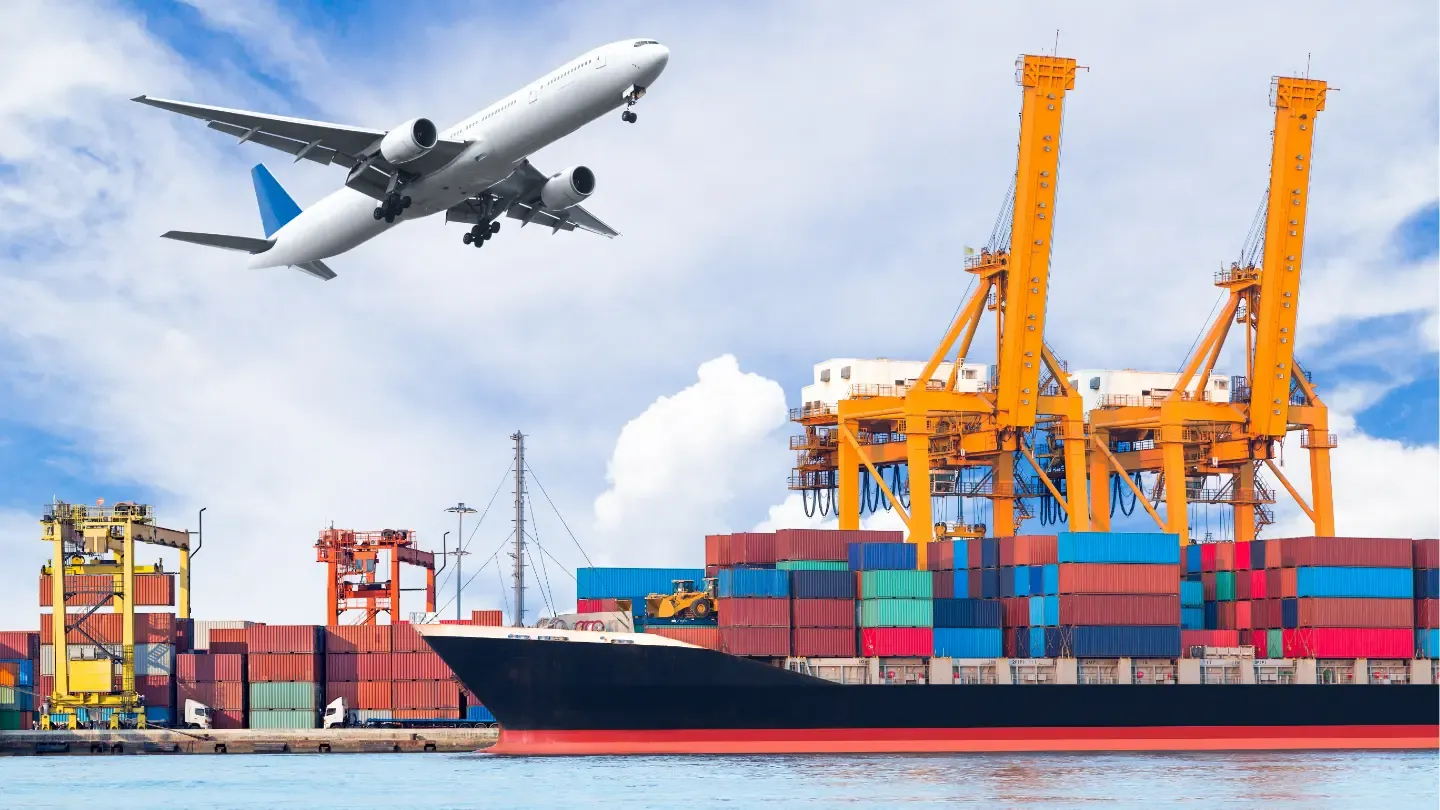
In import and export, choosing the right shipping method is a key factor in maintaining cost-effective logistics. The two most commonly used modes of transportation are sea and air.
Overall, sea freight is more economical for large, high-volume goods. Meanwhile, air freight excels in speed, making it suitable for goods that require short delivery times, are high-value, or are time-sensitive.
So, which is more cost-effective? Here are the advantages and disadvantages of import and export activities via sea and air that you need to know.
Air Shipping: Fast, but Expensive
The main advantage of air shipping lies in transit time. International shipments via cargo planes generally take only a few days to about two weeks, including customs clearance, depending on the route and on-the-ground conditions.
For this reason, air shipping is widely used for:
- High-value goods
- Medical and pharmaceutical products
- Perishable goods
- Seasonal fashion items
- Important documents and business samples
In terms of security, airports have strict surveillance, so the risk of loss or damage to goods is also relatively lower.
However, the cost is certainly not cheap. Air freight rates are calculated based on chargeable weight—that is, the weight or volume of the goods serves as the basis for calculating the cost. Therefore, accurately calculate the shipping cost based on the value of the goods and the profit margin you expect to earn.
Additionally, air freight has capacity limitations and carries fewer goods than ships. Certain items are also subject to stricter regulations, such as flammable liquids, lithium batteries, magnetic items, or specific chemicals.
Sea Freight: Cost-Effective for Large Volumes
On the other hand, sea freight remains a mainstay of global trade because it can transport large quantities of goods at a lower cost.
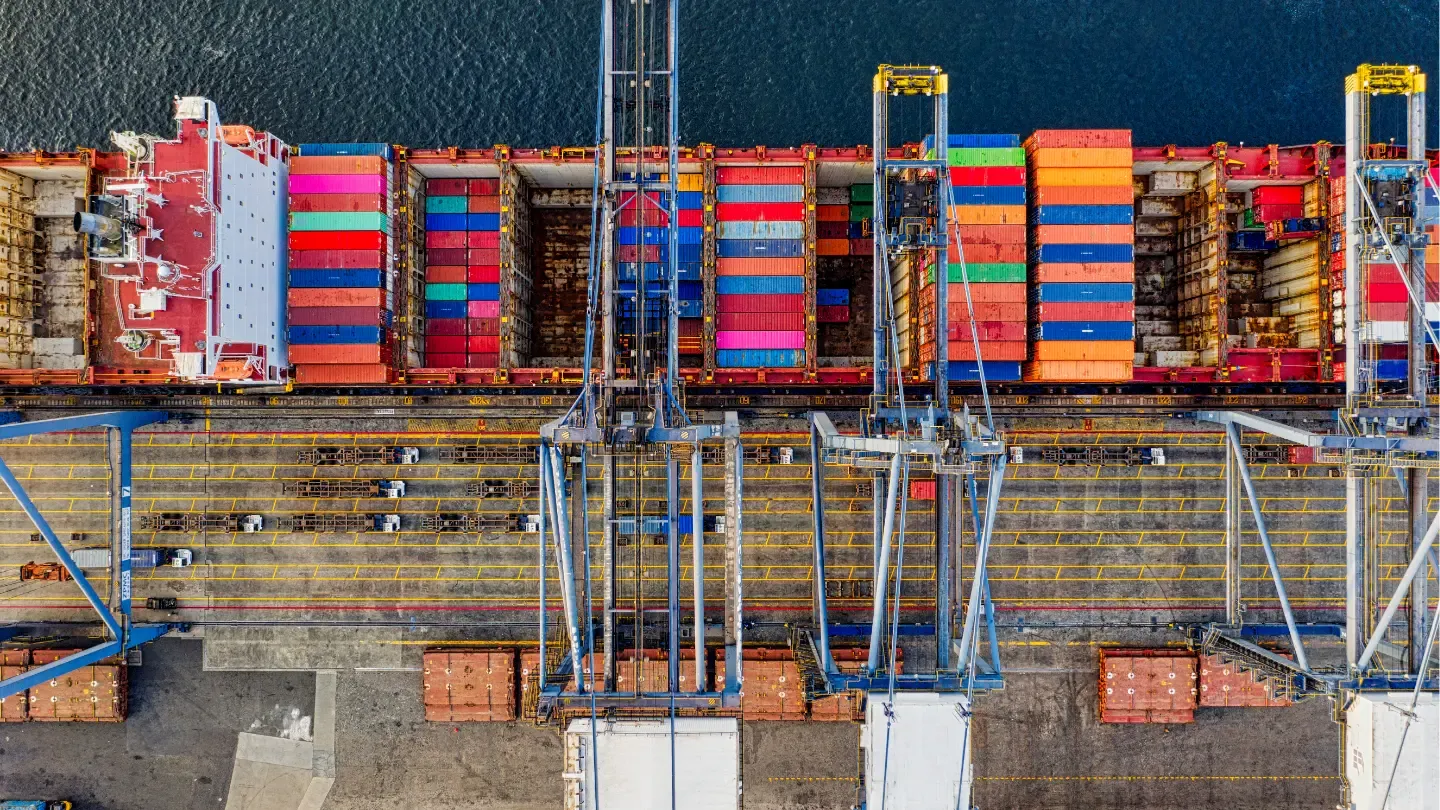
A single cargo ship can carry thousands of containers at once, making the cost per unit of goods significantly lower than air freight. Therefore, sea freight is suitable for:
- Large-scale goods and industrial commodities
- Heavy machinery and automotive parts
- Construction materials
- Mass-produced manufactured goods
Ships also have very large capacities, making it easier to ship oversized or heavy cargo than by air.
The only drawback is the time involved. International shipping by sea can take several weeks to over a month, depending on the route and conditions at the destination. This does not include the loading and unloading process or port administration.
How to Choose the Right Shipping Method
There are three important questions that need to be answered to determine the right shipping method for import and export activities. These include:
- How urgent is the shipment? If time is limited, air freight is worth considering
- How large and heavy is the shipment? Bulky or oversized goods are safer to ship by sea
- What is the value of the goods compared to the shipping cost? High-value goods are best shipped by air
For some types of businesses, a combination of both modes can serve as a middle ground—for example, sea freight for regular stock and air freight for urgent needs.
SELOG Freight Forwarding: An Efficient Solution for Import and Export
Managing import and export operations—from selecting the shipping route to handling customs documentation—is no simple task. This is where freight forwarding services come into play.
One logistics company offering Freight Forwarding services to support seamless import and export operations is SELOG, a subsidiary of PT Serasi Autoraya (SERA), which is also part of the Astra Group.
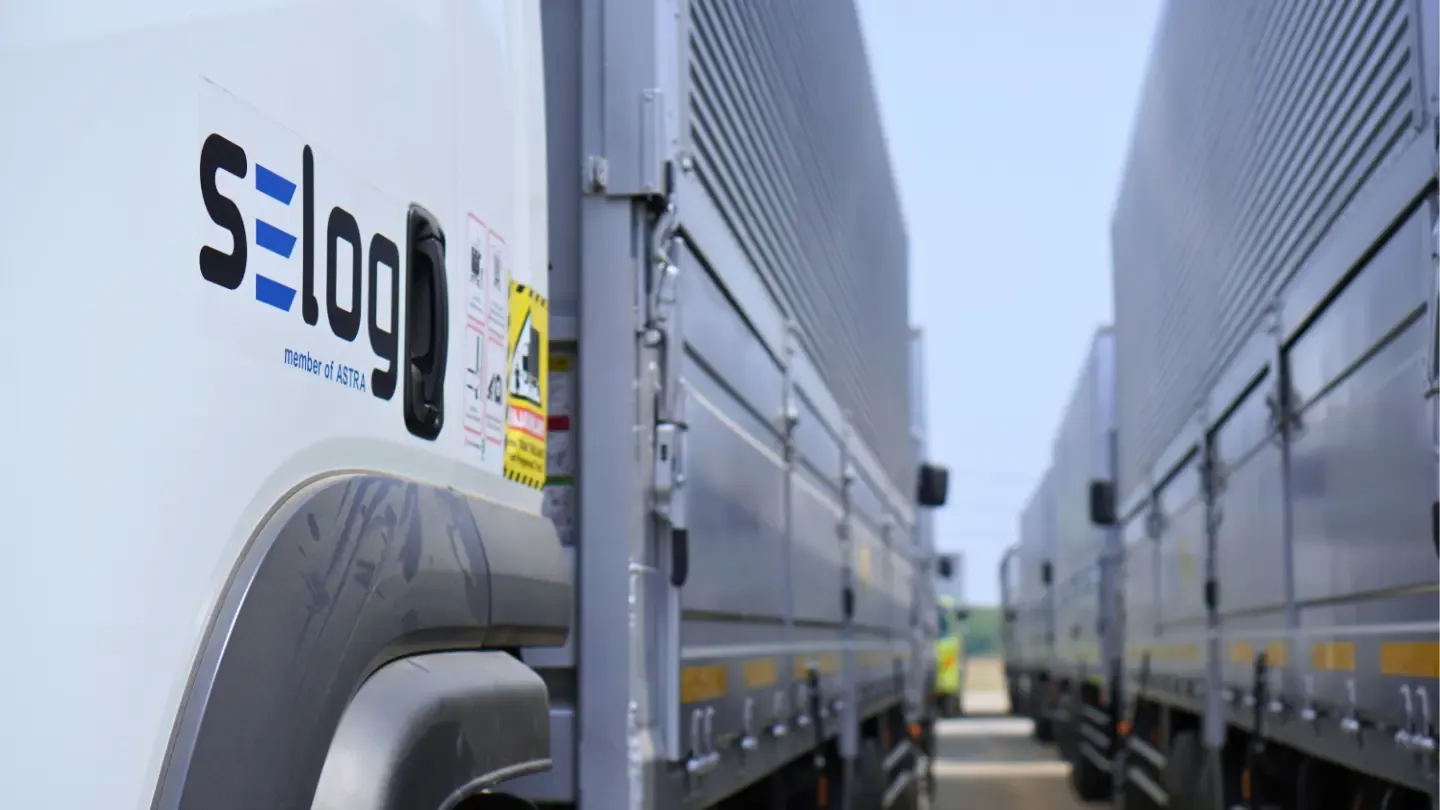
With over 20 years of experience, SELOG is recognized as a provider of comprehensive logistics solutions, including trucking services with a diverse fleet.
In addition to trucking, SELOG also offers other logistics services to address every business need—ranging from freight forwarding, shipping, and warehousing to project cargo.
SELOG’s services are also supported by the latest digital technologies, which not only simplify operations but also enhance business effectiveness and efficiency.
One example is the implementation of the Astra Fleet Management Solution (AstraFMS) and the Warehouse Management System (WMS).
For more information about SELOG’s profile and services, visit the website www.selog.astra.co.id and follow SELOG on social media:
- Instagram @selog_astra
- LinkedIn: SELOG
Latest Article
Information & Tips
28 Oktober 2026
Which Is More Cost-Effective for Import and Export Sea or Air Here Are the Pros and Cons
Information & Tips
26 Oktober 2026
Bill of LadingAn Important Document for Import and Export
Information & Tips
23 Oktober 2026
Warehouse Management Challenges to Anticipate
Article Category
Information & Tips
26 Oktober 2026
Bill of LadingAn Important Document for Import and Export
Information & Tips
23 Oktober 2026
Warehouse Management Challenges to Anticipate
Information & Tips
21 Oktober 2026
Understanding Inbound Outbound in Inventory Management

Information & Tips
19 Oktober 2026
Understanding Truck Components, from the Engine to the Tires
Information & Tips
News
16 Oktober 2026
Advantages of Wingbox Trucks Over Other Types of Trucks for Goods Delivery
Information & Tips
14 Oktober 2026
Stages of Exporting Goods That Business Owners Should Know
Information & Tips
13 Oktober 2026
5 Main Responsibilities of a Freight Forwarder in the Shipping Process

Information & Tips
5 Oktober 2026
Types of LCT Vessels and Their Uses for Transporting Bulk Cargo
Information & Tips
28 September 2026
4 Types of Wingbox Trucks for Goods Distribution

Information & Tips
25 September 2026
Tips for Warehouse Management Efficiency
Make sure you have the latest SELOG and Logistics information updates
Please enter your email to get the latest news or articles from us.