
Information & Tips
5 Oktober 2026
Types of LCT Vessels and Their Uses for Transporting Bulk Cargo
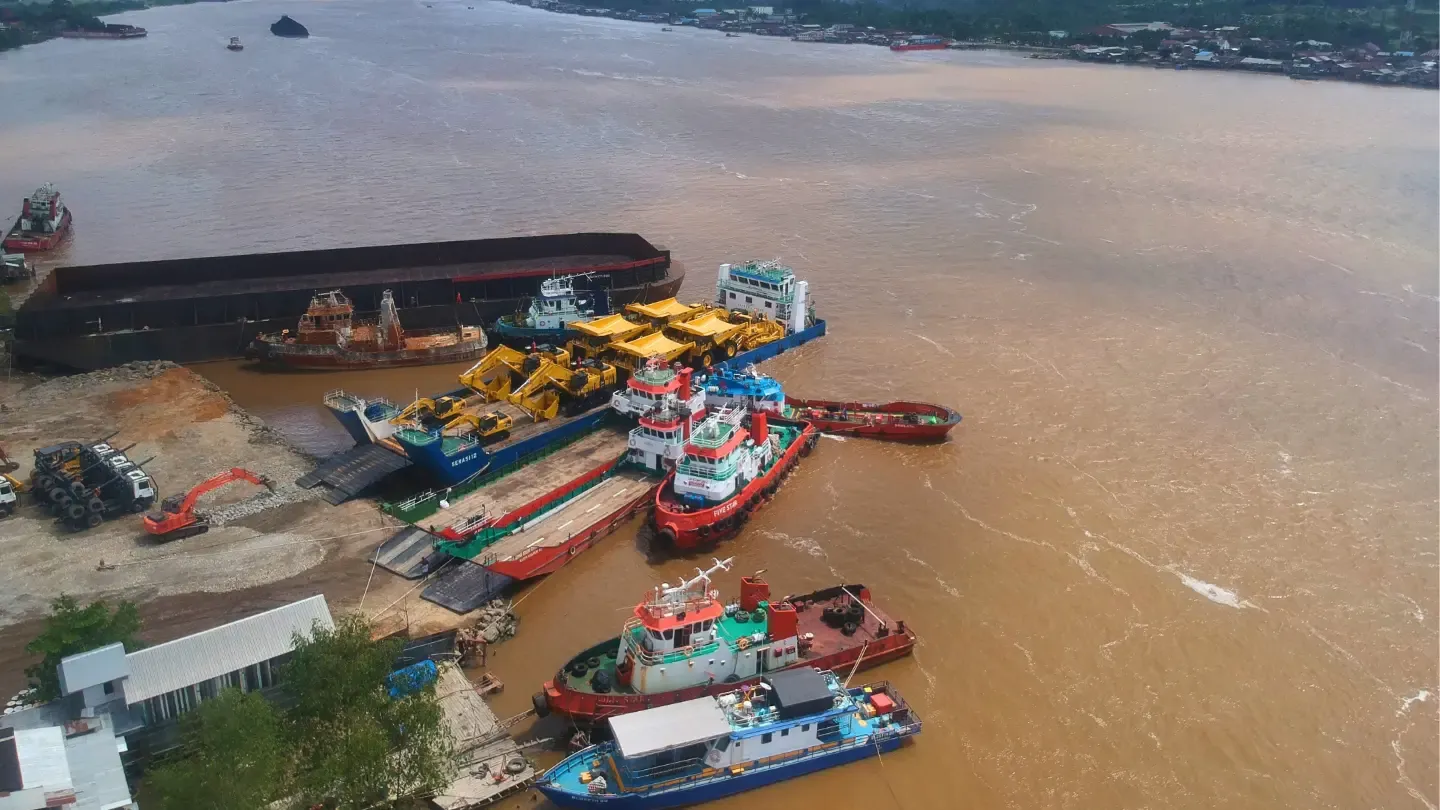
An LCT (Landing Craft Transport) is a flat-deck vessel with a ramp door at the front, designed to transport bulk cargo—such as heavy equipment, vehicles, and construction materials—to locations with limited port facilities.
Common types of LCTs include conventional LCTs, Ro-Ro LCTs, shallow-water LCTs, self-propelled LCTs, and specialized or modified LCTs.
What Is an LCT?
An LCT is a large-capacity cargo vessel equipped with a ramp door—a sloped door at the bow. Through this ramp, cargo such as vehicles or heavy equipment can be loaded and unloaded directly without a crane. These vessels are often used for:
- mining projects
- infrastructure development
- the energy industry
- inter-island logistics distribution
Characteristics of LCT Vessels
Generally, LCTs have three main characteristics, namely:
- A sturdy hull to withstand heavy cargo
- A spacious and relatively flat deck for large or irregularly shaped cargo
- A bow that facilitates cargo access, making loading and unloading more practical
An LCT’s capacity is determined by its design, carrying capacity (deadweight tonnage), deck size, draft, and load distribution. As an example, small LCTs can have a capacity of hundreds of metric tons, while larger ones can reach thousands of metric tons.
5 Types of LCTs and Their Uses
LCT vessels are classified based on their functions. Therefore, when you need this type of vessel to transport cargo, ensure it meets your specific requirements.
1. Conventional LCT
The most common type of LCT for various cargo types. It features a spacious open deck, a sturdy structure, and cargo is loaded through a ramp door. Suitable for transporting sand, rocks, iron, construction materials, and even project equipment.
2. Ro-Ro (roll-on/roll-off) LCT
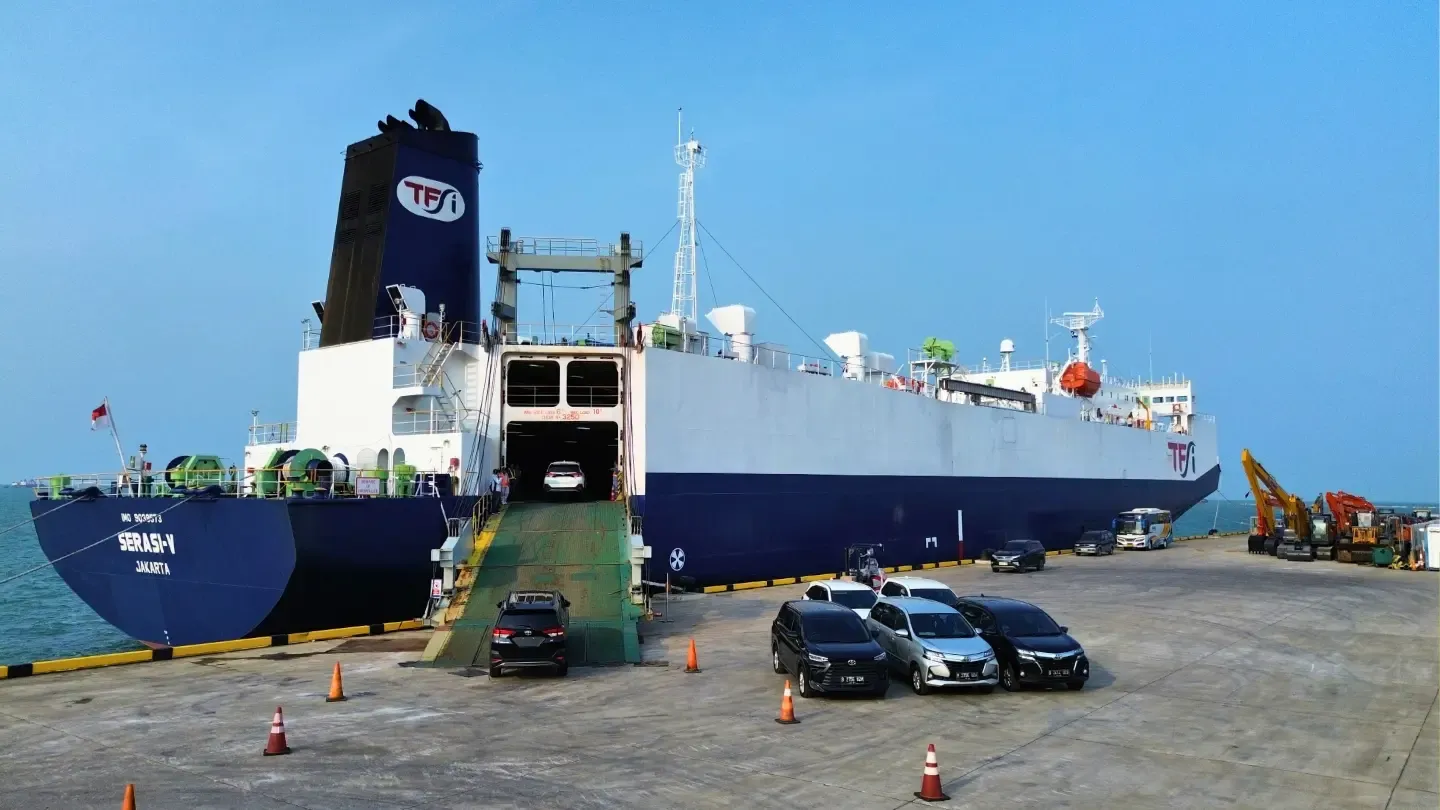
Typically used to transport cars, trucks, buses, excavators, bulldozers, and heavy equipment. These vessels are designed so that vehicles can enter and exit via a ramp, meaning loading and unloading do not always require a crane.
Their capacity depends on deck area, floor load-bearing capacity, vehicle dimensions, and ramp capabilities.
3. LCTs for Shallow Waters
Some LCTs are designed to operate in shallow waters, provided the water depth and tidal conditions allow for safe passage.
This is useful for reaching project sites without large docks, such as for delivering construction materials and mining logistics to remote areas.
Keep in mind that not all LCTs can land directly on the shore. This capability depends on the vessel’s design and the conditions at the delivery site.
4. Self-Propelled LCTs
These vessels have their own propulsion systems, so they do not need to be towed by other ships. Their capacity and speed depend on engine power, hull size, and vessel design.
They are commonly used for inter-island transport, mobilizing project equipment, and distributing materials to locations that require flexibility.
5. Specialized or Modified LCTs
Designed for various specific needs, such as industrial equipment, mining materials, or energy project equipment. Modifications may include deck reinforcement, cargo space configuration, or the installation of support equipment.
How do you choose an LCT for shipping?
Here are several factors to consider before using an LCT for shipments to various locations.
- Cargo weight and dimensions. Ensure they align with the vessel’s deck capacity and carrying capacity
- Load distribution and ramp capabilities. This is crucial for heavy equipment to ensure safer loading
- Water depth and tidal ranges at the destination
- Loading and unloading facilities at the destination, including the availability of a dock
- Operator qualifications. Ensure the vessel’s safety documents and equipment are in order
Maritime Shipping Solutions from SELOG
SELOG (PT Serasi Logistics Indonesia) is an end-to-end logistics provider under the business umbrella of PT Serasi Autoraya (SERA), which is also part of the Astra Group.
With over 20 years of experience in the logistics industry, SELOG is here to meet the need for end-to-end logistics services, ranging from trucking, shipping, freight forwarding, warehousing, to project cargo.
SELOG’s shipping services are available in two options: shipping services and shipping agency, which can accommodate both domestic and international cargo shipments
These services offer several advantages, including monthly shipment scheduling to manage vessel schedules, 24-hour vessel operational monitoring, and structural design, materials, and ramp door widths capable of withstanding heavy cargo loads.
Additionally, SELOG’s services are supported by the Astra Fleet Management Solution (AstraFMS), a digital technology that not only simplifies operations but also enhances business effectiveness and efficiency.
For more information about SELOG’s services, visit the website www.selog.astra.co.id or call (021) 26605333. Also, follow SELOG’s official social media accounts.
- Instagram: @selog_astra
- LinkedIn: SELOG
FAQs About LCT Vessels
What does LCT stand for?
LCT is more commonly known as Landing Craft Transport. However, some sources refer to it as Landing Craft Tank, a term originating from military vessels—the precursor to the industrial use of LCTs.
How does an LCT differ from a standard cargo ship?
LCTs have a flat deck and a ramp door, allowing cargo to be loaded and unloaded directly. This makes it easier to access locations with limited port facilities.
What types of cargo are suitable for transport by LCT?
Heavy equipment, vehicles, construction materials, and project equipment.
Can all LCTs land on the beach?
No. That capability depends on the vessel’s design and local conditions.
What is the capacity of an LCT?
It varies, ranging from hundreds to thousands of metric tons. The most accurate reference is the technical specifications and certification of the specific vessel being used.
Does an LCT require a crane during loading and unloading?
For wheeled cargo or vehicles, usually not, since they can pass through the ramp door. For other types of cargo, it depends on the specific cargo and the facilities available at the location.
Latest Article
Information & Tips
13 Oktober 2026
5 Main Responsibilities of a Freight Forwarder in the Shipping Process
News
7 Oktober 2026
Types of Logistics Transportation for Goods Distribution and Their Advantages
Information & Tips
5 Oktober 2026
Types of LCT Vessels and Their Uses for Transporting Bulk Cargo
Article Category
Information & Tips
13 Oktober 2026
5 Main Responsibilities of a Freight Forwarder in the Shipping Process
Information & Tips
28 September 2026
4 Types of Wingbox Trucks for Goods Distribution
Information & Tips
25 September 2026
Tips for Warehouse Management Efficiency

Information & Tips
23 September 2026
Challenges in Medical Device Distribution That Need to Be Anticipated
Information & Tips
21 September 2026
Types of Tronton Trucks and Their Functions

Information & Tips
18 September 2026
Carrying Extra Weight These 10 Truck Parts Must Be Replaced Regularly
Information & Tips
16 September 2026
The Use of the Internet of Things IoT in Logistics Warehouse Management
Information & Tips
15 September 2026
The Vital Role of Distribution Centers as the Heart of Modern Logistics

Information & Tips
11 September 2026
List of the 10 Largest Ports in Indonesia
Information & Tips
9 September 2026
Dwelling Time A Key Factor in Logistics Distribution Efficiency
Make sure you have the latest SELOG and Logistics information updates
Please enter your email to get the latest news or articles from us.