
Information & Tips
16 September 2026
The Use of the Internet of Things IoT in Logistics Warehouse Management
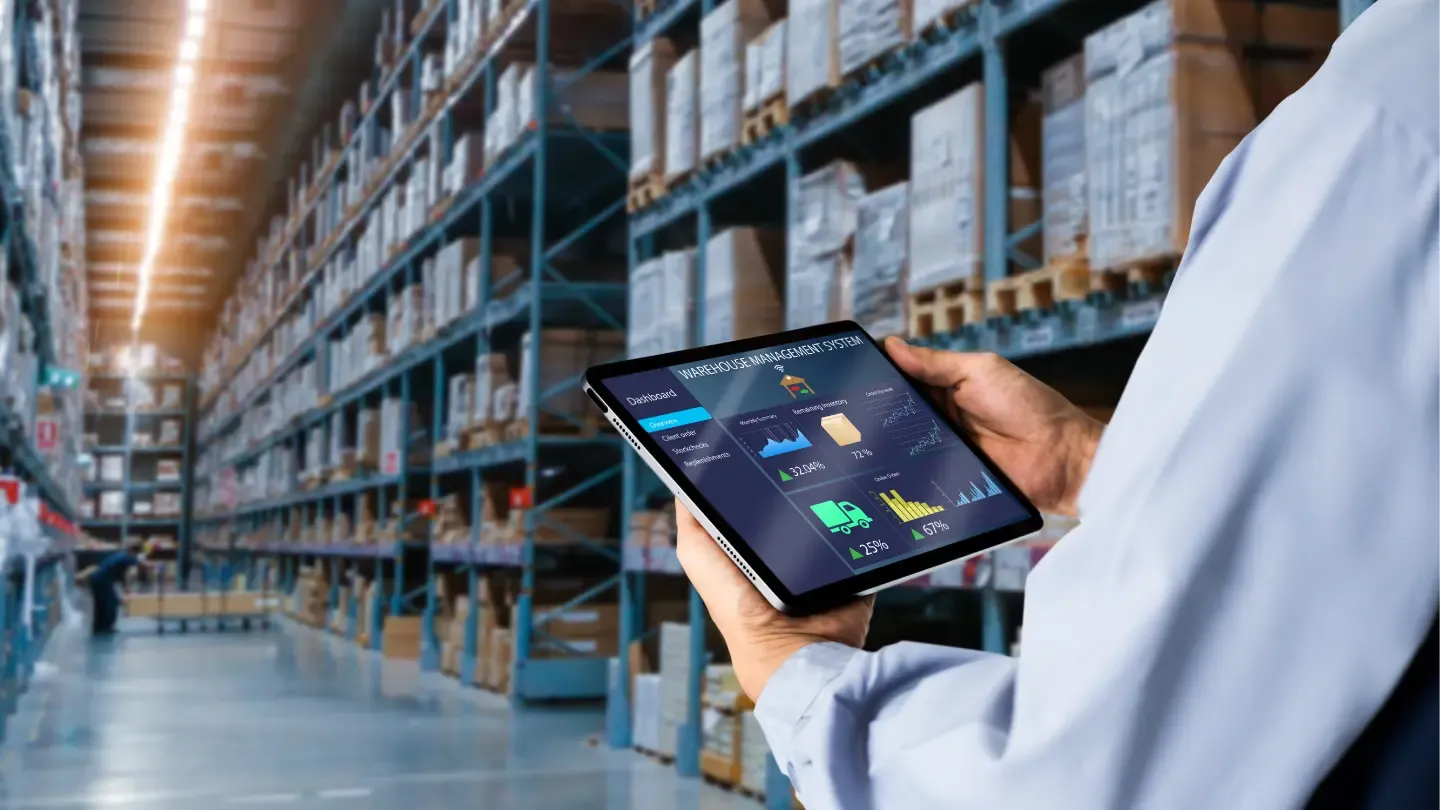
Developments in the logistics industry mean that warehouse management now requires technological support.
The ever-increasing volume of goods, demands for faster delivery, and the need to maintain inventory accuracy mean that manual record-keeping is no longer sufficient to meet operational needs.
One technology that can be leveraged is the Internet of Things (IoT). This technology allows you to obtain information on the condition and movement of goods more quickly and accurately.
What Is the Internet of Things (IoT)?
The Internet of Things (IoT) is a concept that enables various devices to connect to a network so they can automatically collect, transmit, and exchange data.
In warehousing, connected devices can include sensors, RFID tags, tracking devices, machines, automation equipment, and inventory systems. This data is then collected and used to monitor warehouse activities.
How Does IoT Play a Role in Warehouse Management?
One of the benefits of IoT in logistics is improved visibility into the movement of goods.
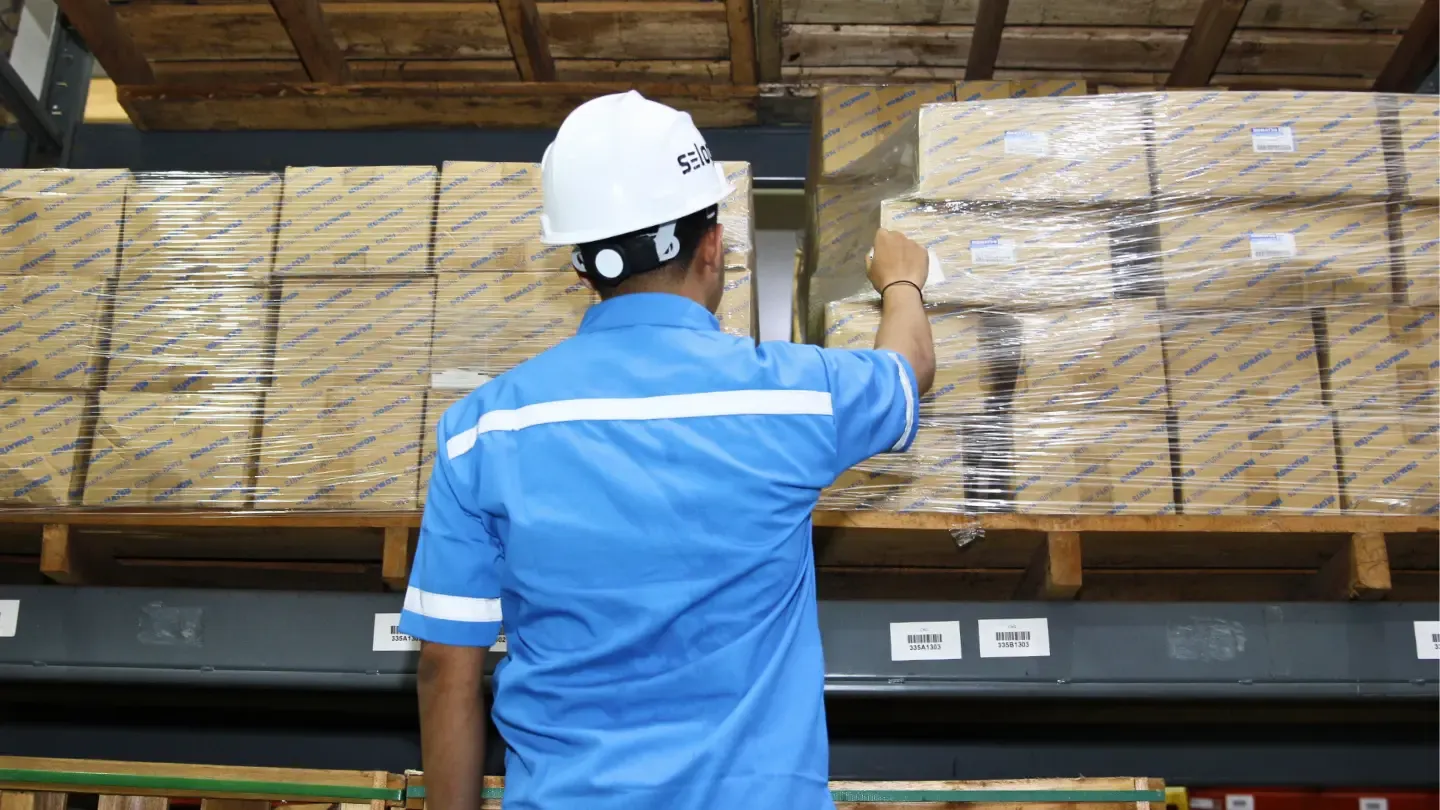
A series of activities—from receiving, storage, and picking to shipping—can be monitored using interconnected devices. This allows you to reduce reliance on manual record-keeping.
For example, RFID is used to identify and track goods. This information is then integrated with the Warehouse Management System (WMS) so that changes in inventory and the status of goods are recorded in the system.
5 IoT Technologies That Can Be Applied in Warehouses
IoT implementation can be tailored to the needs and characteristics of each warehouse. Some commonly used technologies include:
1. Sensors and RFID
Smart sensors and Radio Frequency Identification (RFID) can help track goods based on their identity, location, or movement.
This technology can reduce manual record-keeping while improving inventory data accuracy.
2. Integrated WMS
Integrating IoT with the Warehouse Management System (WMS) allows data from various devices to be consolidated into a single system.
This makes monitoring activities—from goods receipt and storage to picking and shipping—more structured. This integration also helps you maintain a single source of truth.
3. Data Analytics
IoT devices can generate large amounts of data. This data can be analyzed to identify patterns in goods movement, demand trends, space utilization, or potential operational bottlenecks.
With the right analysis, you can plan inventory and operations based on actual conditions, not just estimates.
4. Robots and Automation
IoT can also support the use of automation technologies, such as robots, for repetitive tasks—for example, moving, sorting, or picking items.
When automated devices are connected to the inventory system, processes can be executed systematically, reducing manual labor for specific tasks.
5. Temperature and Humidity Sensors
For warehouses storing environmentally sensitive products, temperature and humidity sensors play a crucial role.
The system can monitor conditions periodically and issue alerts when specific parameters fall outside predetermined limits.
This allows you to respond more quickly before such conditions affect product quality.
Benefits of IoT in Warehouse Management
The use of IoT can provide benefits across various aspects of warehouse operations. One of these is improved inventory accuracy.
Since data from devices is updated automatically, the potential for errors caused by manual recording can be reduced.
Additionally, IoT can help speed up work processes. Information regarding the status of goods, warehouse activities, or specific conditions can be obtained more quickly.
Automation can also reduce repetitive administrative tasks. Warehouse staff can focus more on activities requiring oversight, analysis, and decision-making.
Furthermore, the collected data can help optimize the use of space, labor, equipment, and inventory. In the long term, this efficiency can contribute to controlling operational costs.
SELOG Supports Technology-Based Logistics Management
Ultimately, IoT is not merely a technology for connecting devices. It is also a strategic component for enhancing visibility, accuracy, productivity, and the speed of decision-making.
When this technology is integrated with a WMS system, consistent operational processes, and appropriate logistics support, it gives companies a stronger foundation to address the increasingly dynamic demands of the supply chain.
However, technology will deliver optimal benefits only if supported by integrated operations and logistics management.
Therefore, companies need not only digital systems but also a partner capable of managing logistics activities comprehensively.
One logistics company worth considering for seamless warehouse management is SELOG, a subsidiary of PT Serasi Autoraya (SERA), which is also part of the Astra Group.
With over 20 years of experience in the logistics industry, SELOG offers modern warehousing services featuring an integrated inventory management system with the following advantages:
- An extensive and strategically located network of warehouses across various regions in Indonesia
- An integrated warehouse management system for real-time inventory monitoring
- Secure, modern storage facilities tailored to industry needs
- Supported by a team of professionals with extensive experience in logistics and supply chain management
SELOG’s services are further enhanced by a Warehouse Management System (WMS), enabling accurate monitoring of every process—from incoming goods to binning and picking.
In addition to warehousing, SELOG also provides comprehensive logistics services: Shipping, Freight Forwarding, Trucking, and Project Cargo.
For more information about SELOG’s services, visit the official website at www.selog.astra.co.id and follow SELOG on social media:
- Instagram: @selog_astra
- LinkedIn: SELOG
Latest Article
Information & Tips
16 September 2026
The Use of the Internet of Things IoT in Logistics Warehouse Management
Information & Tips
15 September 2026
The Vital Role of Distribution Centers as the Heart of Modern Logistics

Information & Tips
11 September 2026
List of the 10 Largest Ports in Indonesia
Article Category
Information & Tips
15 September 2026
The Vital Role of Distribution Centers as the Heart of Modern Logistics
Information & Tips
11 September 2026
List of the 10 Largest Ports in Indonesia
Information & Tips
9 September 2026
Dwelling Time A Key Factor in Logistics Distribution Efficiency
Information & Tips
7 September 2026
Understanding Dry Ports A Solution to Congestion at Major Ports

Information & Tips
26 Agustus 2026
How to Choose the Right Export-Import Freight Forwarder

Information & Tips
24 Agustus 2026
CDD Long TrucksFunctions and Types
Information & Tips
21 Agustus 2026
The Difference Between a Wharf and a Port Dont Confuse the Two

Information & Tips
19 Agustus 2026
The Most Essential Logistics Services for the Palm Oil Industry

Information & Tips
14 Agustus 2026
7 High-Value Palm Oil Products
Information & Tips
12 Agustus 2026
Types of Box Trucks and Their Advantages for Shipping Goods
Make sure you have the latest SELOG and Logistics information updates
Please enter your email to get the latest news or articles from us.