

Information & Tips
19 Agustus 2026
The Most Essential Logistics Services for the Palm Oil Industry
The palm oil industry is known for its long and multi-stage supply chain—from plantations, to the transportation of fresh fruit bunches (FFB), to processing at mills, all the way to the distribution of processed products.
Each stage, of course, requires different logistical support. If not managed properly, the entire process can be disrupted.
The Palm Oil Industry Supply Chain
The palm oil supply chain begins at the plantation. Harvested fresh fruit bunches must be transported immediately to the palm oil mill (PKS) for processing.
Speed of transportation is a priority, as FFB must be processed immediately after harvest to maintain the quality of the final product.
At the mill, FFB is processed into crude palm oil (CPO), palm kernel, and other derivative products.
Afterward, the processed goods can be shipped to further processing facilities, such as warehouses, distributors, or ports, before being distributed to domestic and international markets.
Logistical Challenges in the Palm Oil Industry
The palm oil industry is quite vulnerable to a number of challenges. One of the most common is the location of plantations, which are relatively far from industrial centers and ports.
In addition, the large volume of cargo also requires a fleet with specific capacities and specifications. Consequently, transportation schedules must be carefully planned to ensure that raw materials or processed products do not have to wait too long.
For export activities, the challenges are even more extensive, as they involve document processing, customs clearance, ship schedules, and coordination with various parties in the destination country.
Logistics Services Required by the Palm Oil Industry
Trucking
Trucking is the most fundamental need in the palm oil supply chain. This service is used to transport fresh fruit bunches (FFB) from plantations to palm oil mills (POMs), or to deliver crude palm oil (CPO) and its derivatives to the next destination.
The truck fleet must be tailored to the characteristics of the cargo and route conditions. For certain operational areas, you will also need vehicles with adequate carrying capacity and durability.
Warehousing
After production, not all harvested crops are shipped immediately. Warehouses are needed to store products, supporting materials, spare parts, and operational equipment.
Effective warehouse management helps you control inventory, manage the flow of goods, and reduce the risk of stockpiles that hinder operations.
Shipping
For inter-island distribution or large-volume shipments, shipping services clearly play a vital role. Ships are well-suited for transporting large volumes of commodities from production areas.
Freight Forwarding
When entering international markets, partnering with a freight forwarder will greatly facilitate every stage of the shipping process.
These services cover a wide range of tasks, from handling shipping documents and coordinating with carriers to managing customs clearance in accordance with applicable requirements and policies.
Freight forwarders also help you choose a shipping plan that aligns with the nature of your goods, destination, timeline, and available budget.
Vehicles Required by the Palm Oil Industry
The fleet requirements in the palm oil industry are not limited to trucks transporting plantation produce.
Vehicles such as dump trucks, trailers, and trucks with specific specifications can also be used according to operational needs and cargo characteristics.
In addition, heavy equipment such as excavators, wheel loaders, bulldozers, and forklifts is also needed for work in plantation areas as well as for material handling at production facilities.
The palm oil industry has a complex supply chain, requiring logistical support at nearly every stage of the process.
Trucking facilitates the movement of goods by land, warehousing aids in inventory management, shipping handles distribution by sea, and freight forwarding supports international shipments
By choosing the right logistics partner, you can manage your logistics needs more efficiently while ensuring the smooth flow of the supply chain from upstream to downstream.
SELOG is here to meet those needs with integrated, end-to-end logistics services. This ensures that the palm oil supply chain—from upstream to downstream—is more controlled and efficient.
The logistics business unit of PT Serasi Autoraya (SERA)—which is also part of the Astra Group—has over 20 years of experience meeting all logistics service needs, ranging from trucking, shipping, freight forwarding, warehousing, to project cargo.
Every SELOG service is also supported by the digital technology Astra Fleet Management Solution (AstraFMS), which not only simplifies operations but also enhances business effectiveness and efficiency.
For more information about SELOG’s services, visit https://www.selog.astra.co.id/layanan and follow SELOG on social media:
- Instagram: @selog_astra
- LinkedIn: SELOG
Information & Tips
26 Agustus 2026
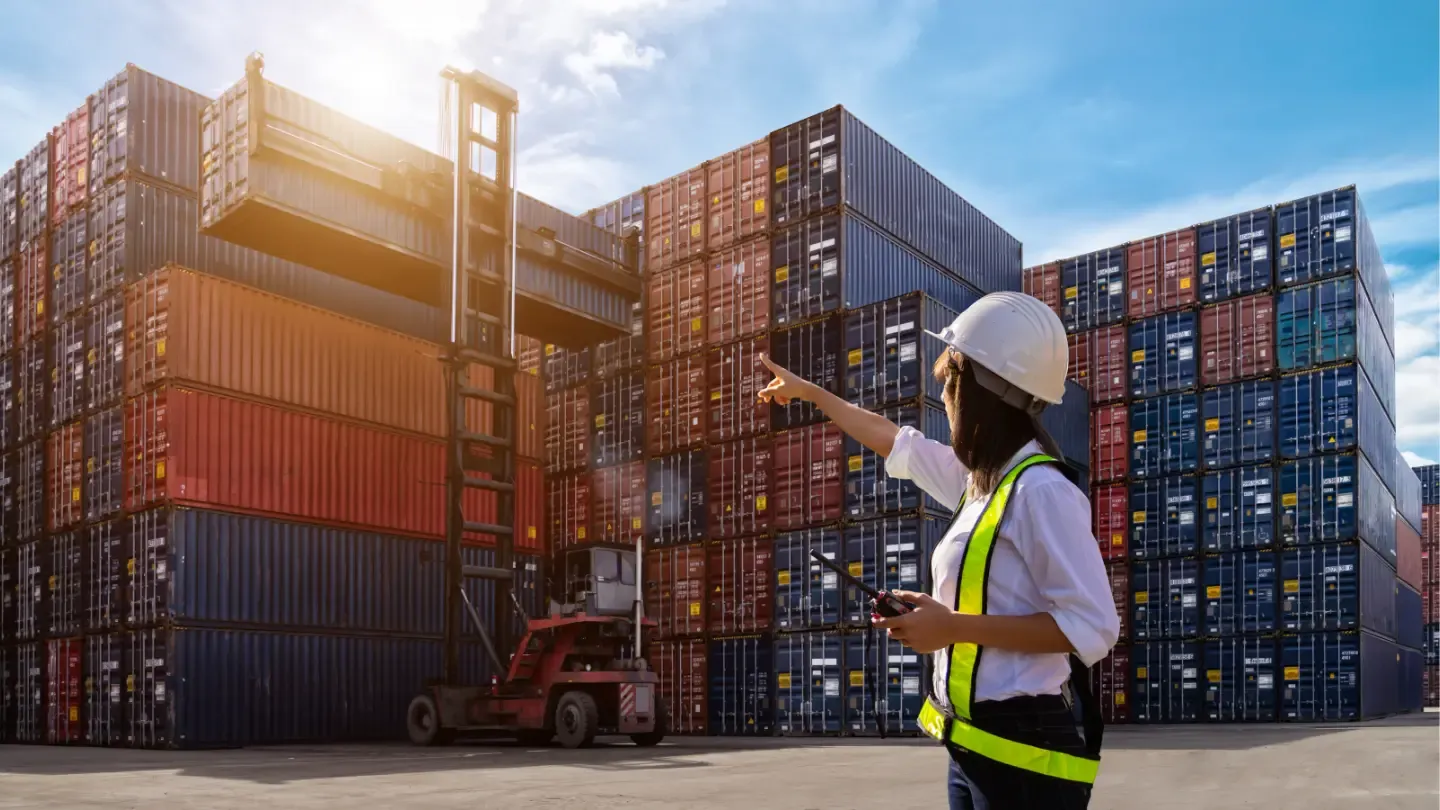
How to Choose the Right Export-Import Freight Forwarder

Information & Tips
24 Agustus 2026
CDD Long TrucksFunctions and Types
Information & Tips
21 Agustus 2026
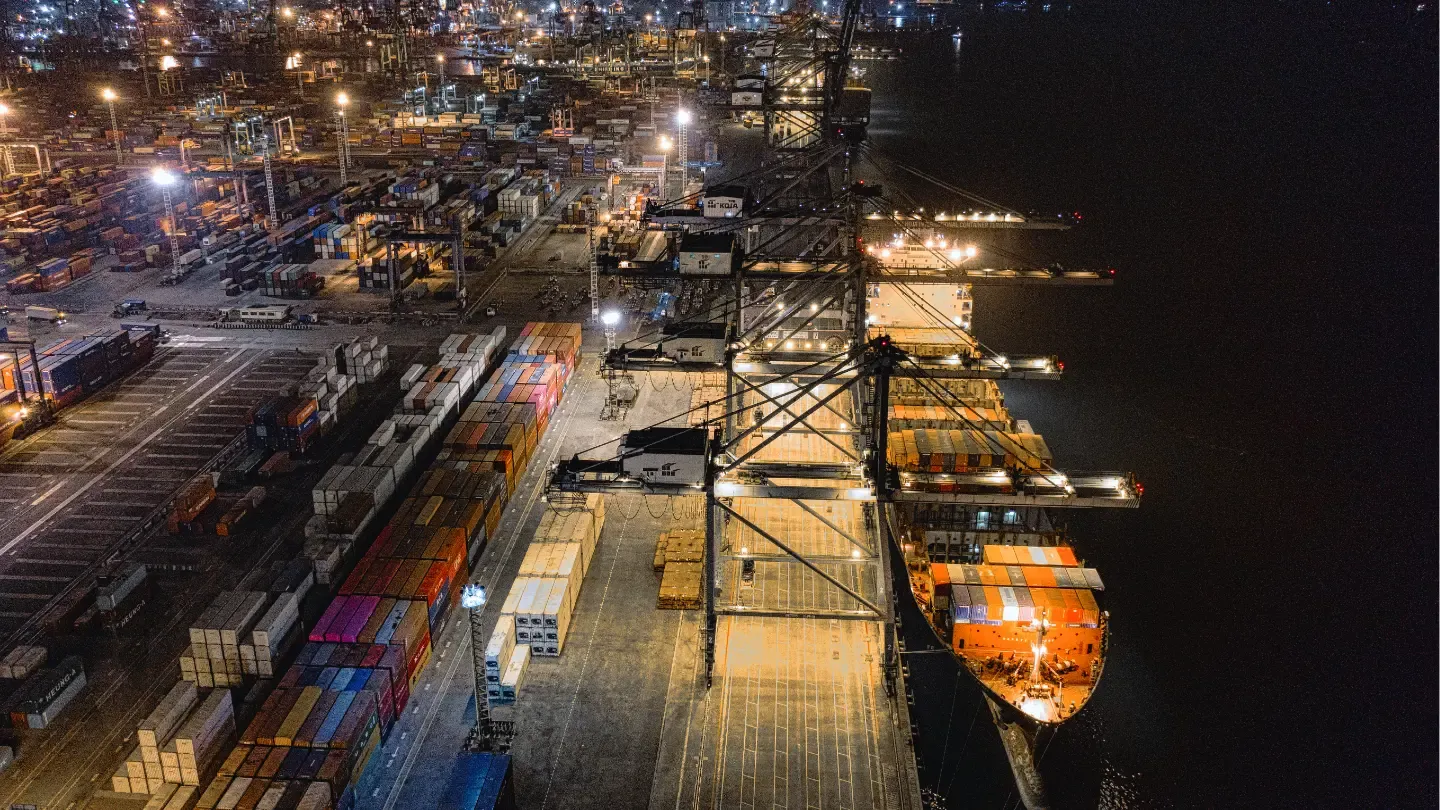
The Difference Between a Wharf and a Port Dont Confuse the Two
Information & Tips
14 Agustus 2026
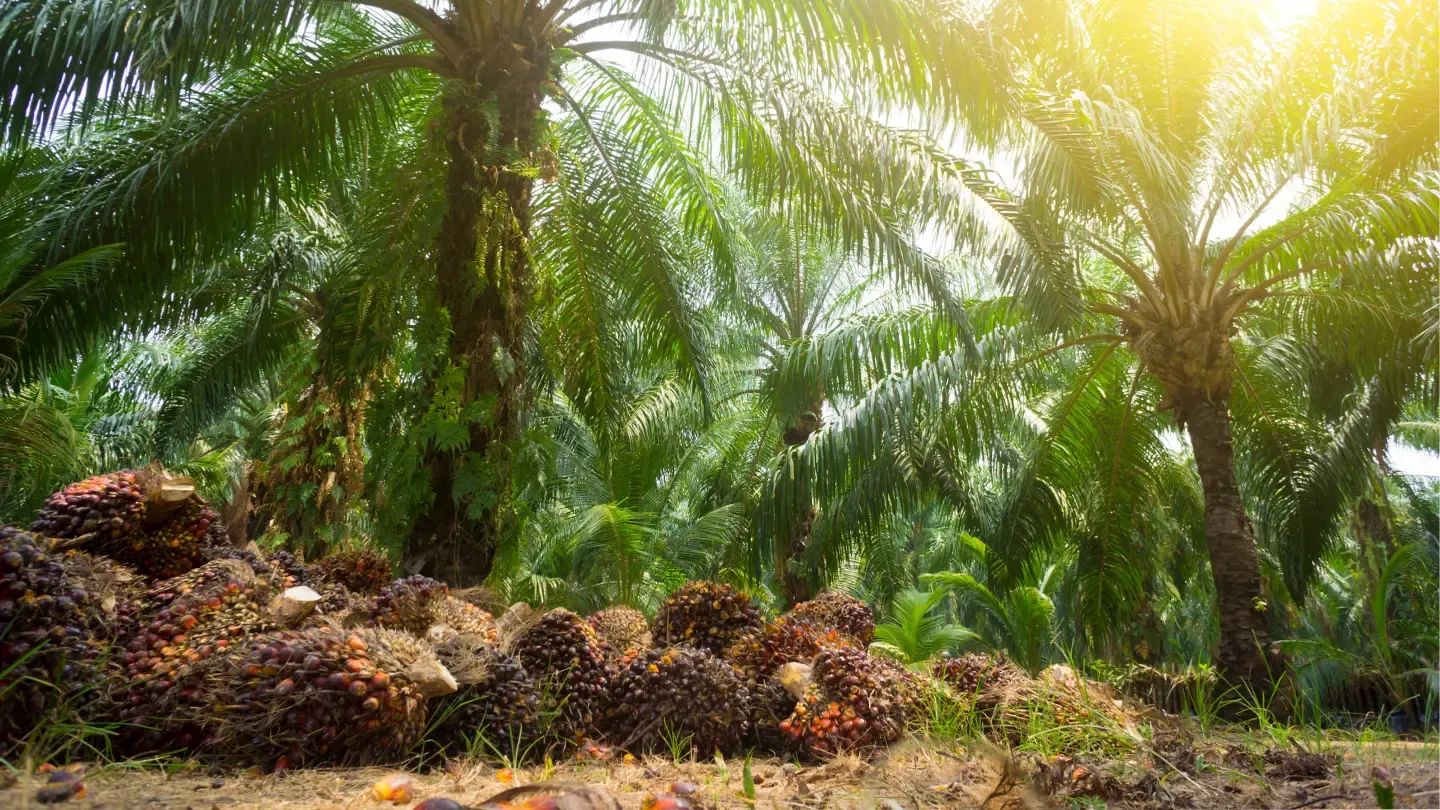
7 High-Value Palm Oil Products
Information & Tips
12 Agustus 2026
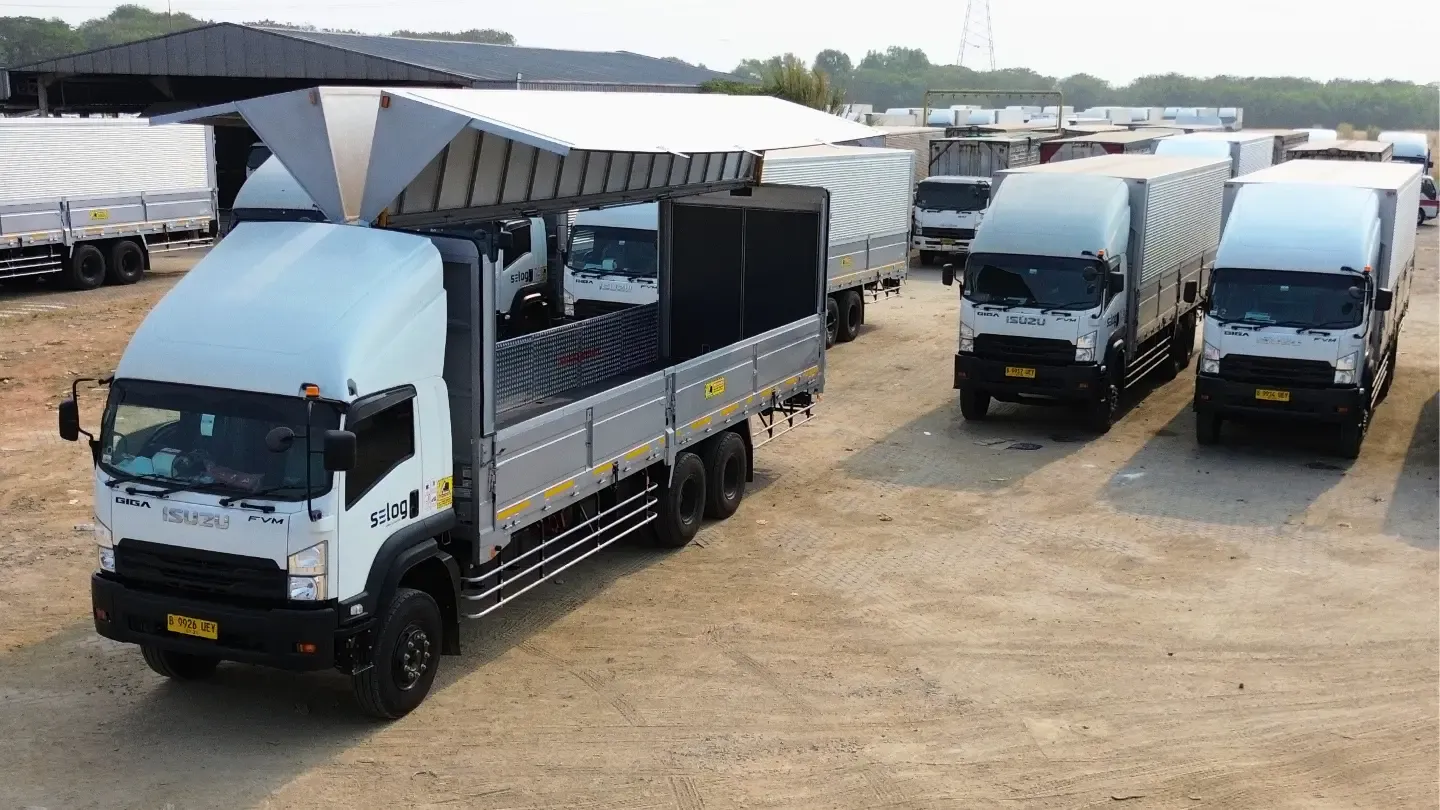
Types of Box Trucks and Their Advantages for Shipping Goods
Information & Tips
10 Agustus 2026
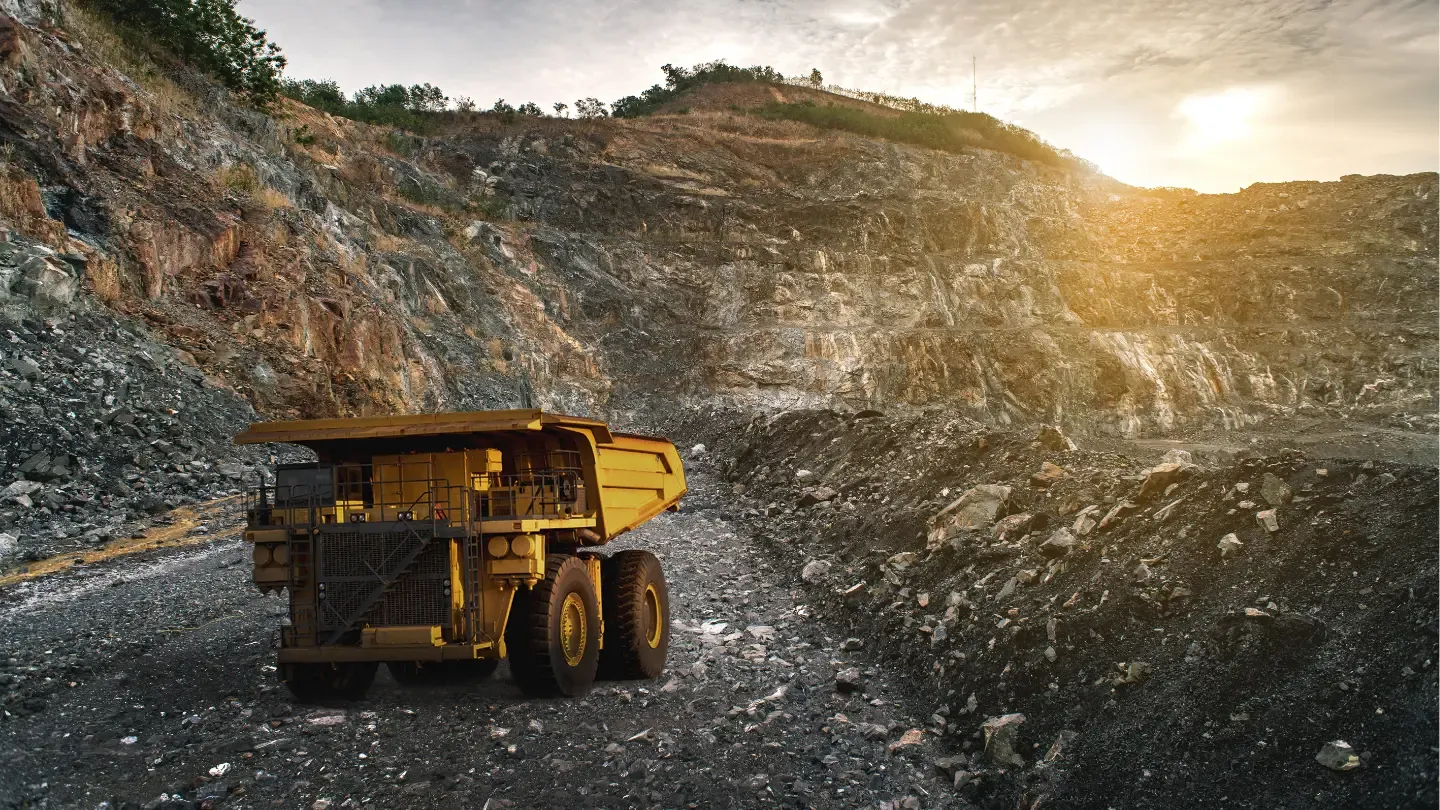
Understanding Mining Trucks and Their Types
Information & Tips
7 Agustus 2026
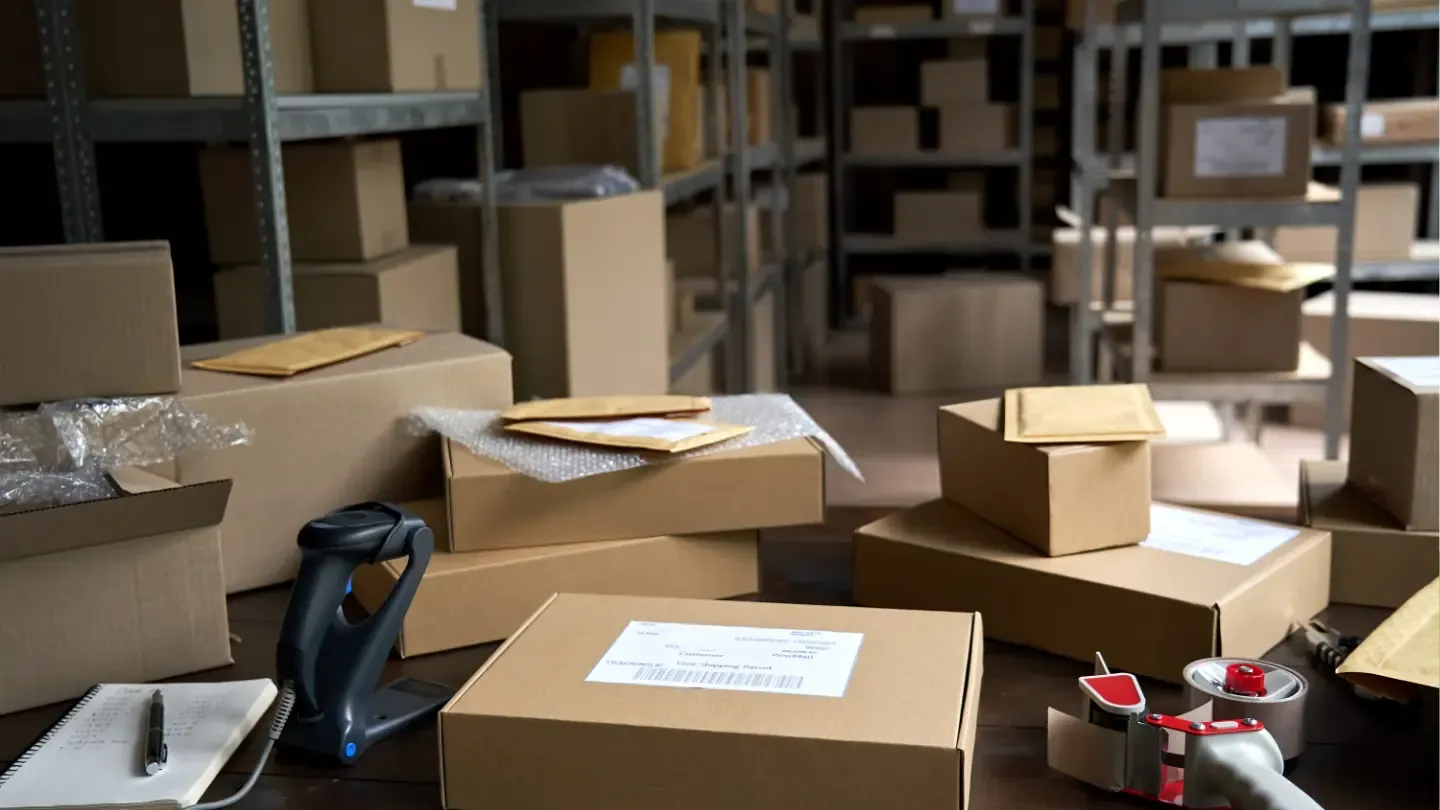
Heres the Difference Between Dropshippers and Resellers
Information & Tips
5 Agustus 2026
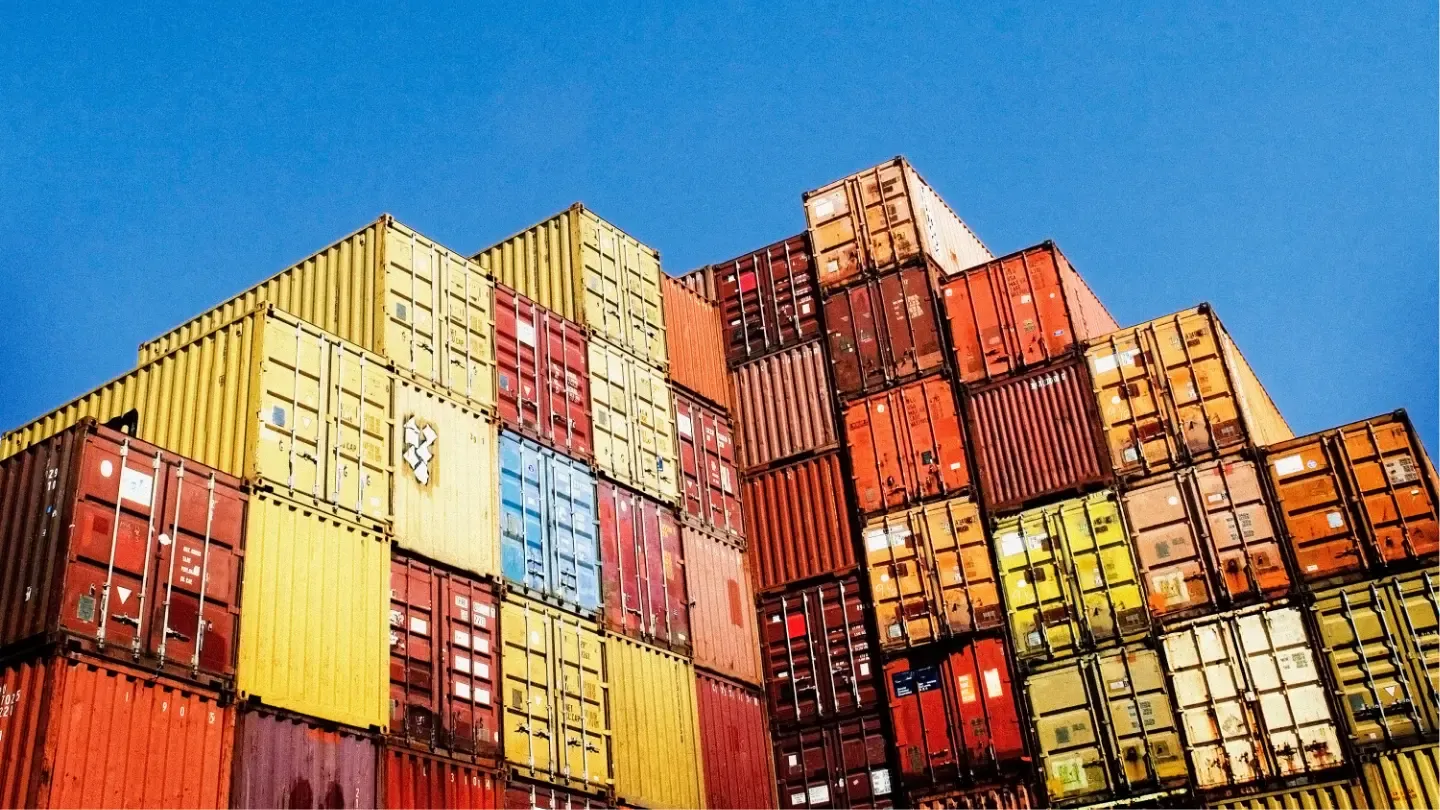
What You Need to Know About Container Ports
Information & Tips
3 Agustus 2026
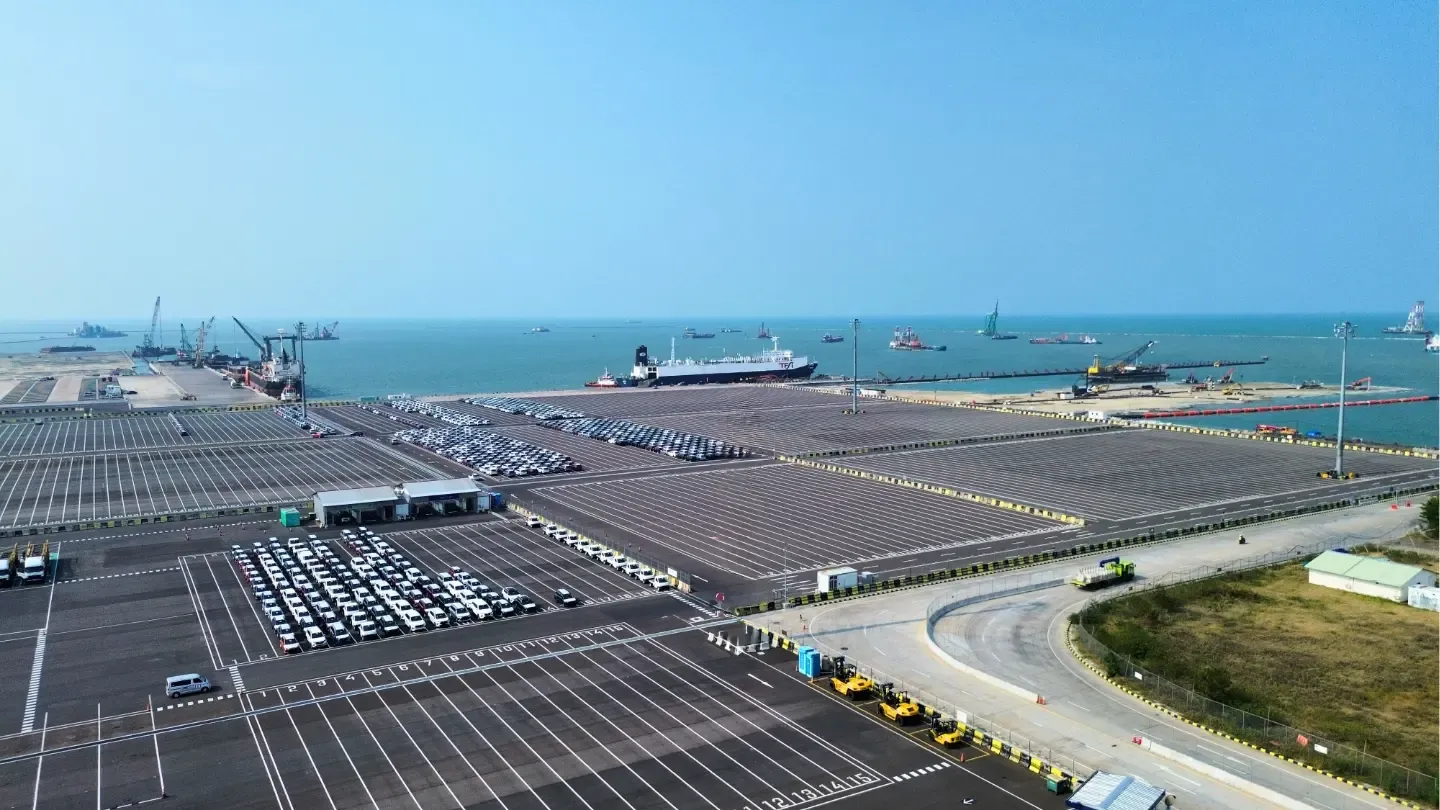
Patimban Port Finally Able to Handle Imports
Information & Tips
30 Juli 2026
13 Important Terms in Freight Shipping
Make sure you have the latest SELOG and Logistics information updates
Please enter your email to get the latest news or articles from us.