
Information & Tips
10 Agustus 2026
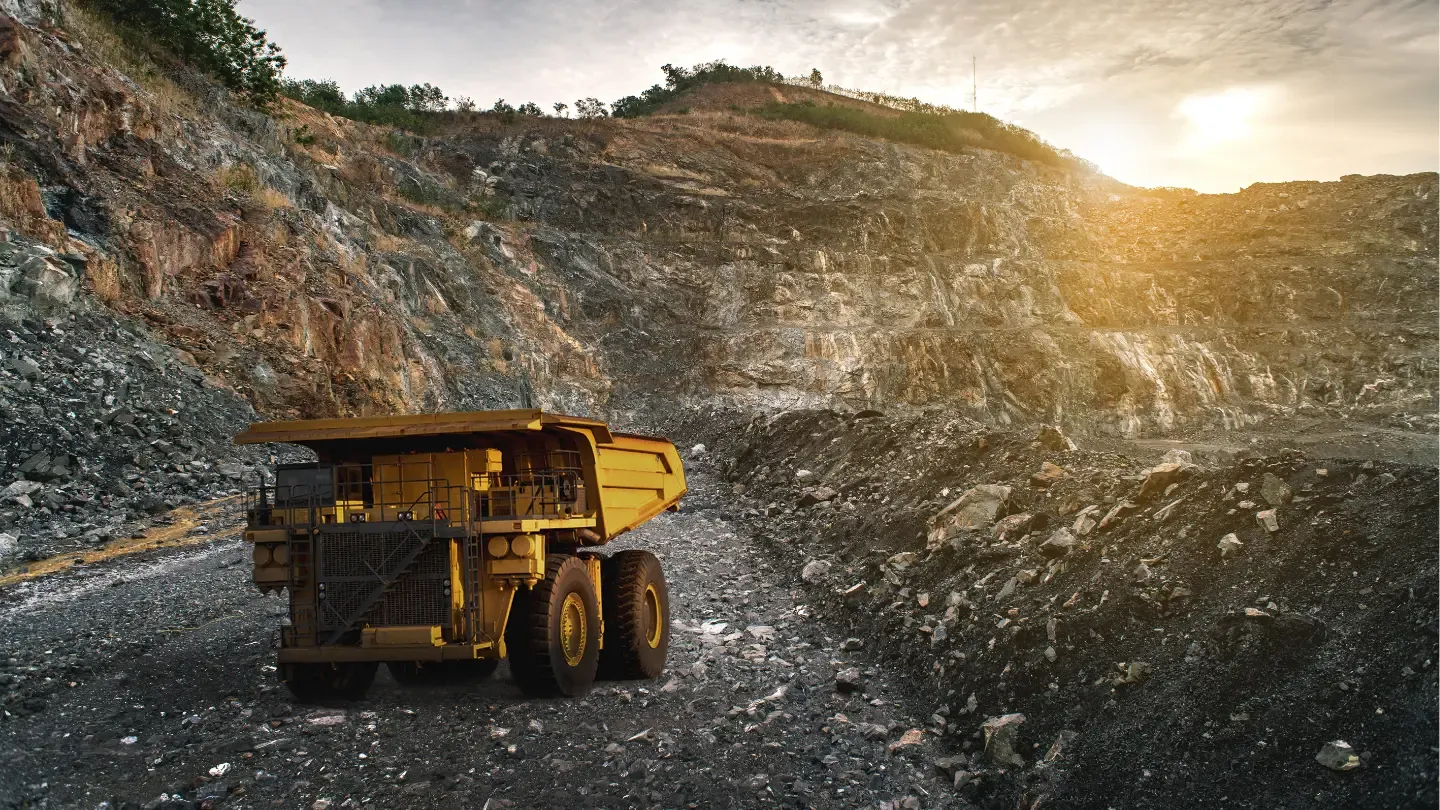
Understanding Mining Trucks and Their Types
Mining isn’t just about extracting materials. After extraction, the mined material must be transported from the mining site to a stockpile, crusher, processing facility, or other locations.
This process requires specialized vehicles. This is because mining areas have terrain characteristics that differ from public roads—ranging from rocky and muddy roads to steep inclines and extremely heavy loads.
That is why mining trucks are needed. These vehicles are specifically designed to operate under extreme conditions and support the repeated transport of large volumes of material.
What Is a Mining Truck?
A mining truck is a heavy-duty vehicle specifically designed to transport materials in mining areas. These materials range from coal, nickel ore, sand, and rock to overburden.
Compared to trucks typically used for distribution on public roads, mining trucks feature a sturdier construction, powerful engines, and drivetrain and suspension systems built to handle rugged terrain.
In mining operations, their function is part of the load-haul-dump cycle, starting from loading material at the excavation site, transporting it to the destination, and unloading it. The cycle then repeats.
The efficiency of each cycle significantly impacts mine productivity. The more optimal the mining truck’s performance, the more material it can transport.
3 Types of Mining Trucks
The needs of each mining project vary. Therefore, the type of truck used is tailored to factors such as load capacity, terrain conditions, material type, and operational functions. Here are some commonly used types.
1. Mining Tipper Truck
This is one of the most widely used types of trucks for transporting large volumes of material. It is typically used to transport various materials such as coal, sand, ore, rock, and overburden.
This truck features a bed with a hydraulic system that enables quick loading and unloading. Material can be unloaded by raising the bed, making the unloading process faster.
2. Heavy Hauler Truck
This is a truck designed to transport or tow extremely heavy loads. This type of truck is equipped with a high-powered engine and a robust construction capable of supporting heavy loads under challenging operating conditions.
Heavy haulers are well-suited for large-scale mining projects, especially when materials must be transported along long haulage routes.
3. Supporting Trucks
Mining operations require more than just material-hauling vehicles. Various support vehicles are also necessary to ensure smooth operations in the mining area. Some examples include:
- Fuel truck: For transporting and dispensing fuel to vehicles or heavy equipment
- Water truck: To spray mine roads to reduce dust and help maintain road conditions
- Service truck: Serves as a support vehicle for the maintenance and repair of heavy equipment in the field
- Lube truck: To carry lubricants and supplies needed for maintenance activities
Although they do not transport mined materials, support trucks are essential for maintaining fleet readiness and minimizing operational downtime.
Selecting Mining Trucks to Meet Your Needs
The selection of mining trucks cannot be based solely on load capacity. Several factors must be considered to ensure the trucks used truly meet operational needs.
Adjust Load Capacity
The truck’s capacity must be matched to the volume of material to be transported. A truck with too small a capacity results in more frequent transport cycles.
Conversely, a capacity that is too large may not necessarily be efficient if road conditions or loading equipment are unsupportive.
Consider Terrain Conditions
The characteristics of mine roads are critical in determining the type of truck to use. Rocky, muddy, or steep roads—or routes with extreme conditions—certainly require appropriate truck configurations.
Some commonly used wheel-drive configurations include 6x4, 6x6, and 8x4.
Consider the Type of Material
The characteristics of the material must also be taken into account. Transporting coal, sand, mineral ore, rock, and overburden typically requires different specifications and bed capacities.
Calculate Operating Costs
The purchase price of the truck is not the only cost to consider. You also need to factor in fuel consumption, maintenance costs, tire replacement, and labor expenses.
Operational Challenges of Mining Trucks
Mining truck operations are prone to a number of challenges. Extreme terrain, heavy loads, changing weather conditions, and long operating hours can accelerate wear and tear on truck components.
In addition, safety must be a priority. Monitoring vehicle condition, driver behavior, and load capacity must be conducted consistently to reduce the risk of accidents.
Consequently, mining companies are increasingly leveraging technologies such as telematics and fleet management systems to obtain accurate monitoring data.
This data can be used to evaluate productivity, fuel consumption, driver behavior, and vehicle maintenance needs.
From the Mining Site to Distribution: The Need for Integrated Logistics Solutions
Mining trucks clearly play a key role in hauling operations within mining areas. However, the journey of materials does not end once they leave the mine site.
Mined materials still need to be transported to ports, industrial zones, warehouses, or project sites. Therefore, reliable transportation and logistics management are essential to ensure every process is safe and efficient.
To address these needs, choosing a trusted logistics partner like SELOG is a strategic step toward more efficient, safe, and productive operations.
SELOG is a business unit of PT Serasi Autoraya (SERA), which is part of the Astra Group and has over 20 years of experience in the logistics industry.
SELOG is here to meet the need for end-to-end logistics services, ranging from trucking, shipping, freight forwarding, warehousing, to project cargo.
Every SELOG service is also supported by the digital technology Astra Fleet Management Solution (AstraFMS), which not only simplifies operations but also enhances business effectiveness and efficiency.
With AstraFMS technology, SELOG provides comprehensive, IT-based solutions for vehicle and transportation management in Indonesia.
For more information about SELOG’s services, visit the official website www.selog.astra.co.id and follow SELOG on social media:
- Instagram: @selog_astra
- LinkedIn: SELOG
Information & Tips
25 September 2026
Tips for Warehouse Management Efficiency

Information & Tips
23 September 2026
Challenges in Medical Device Distribution That Need to Be Anticipated
Information & Tips
21 September 2026
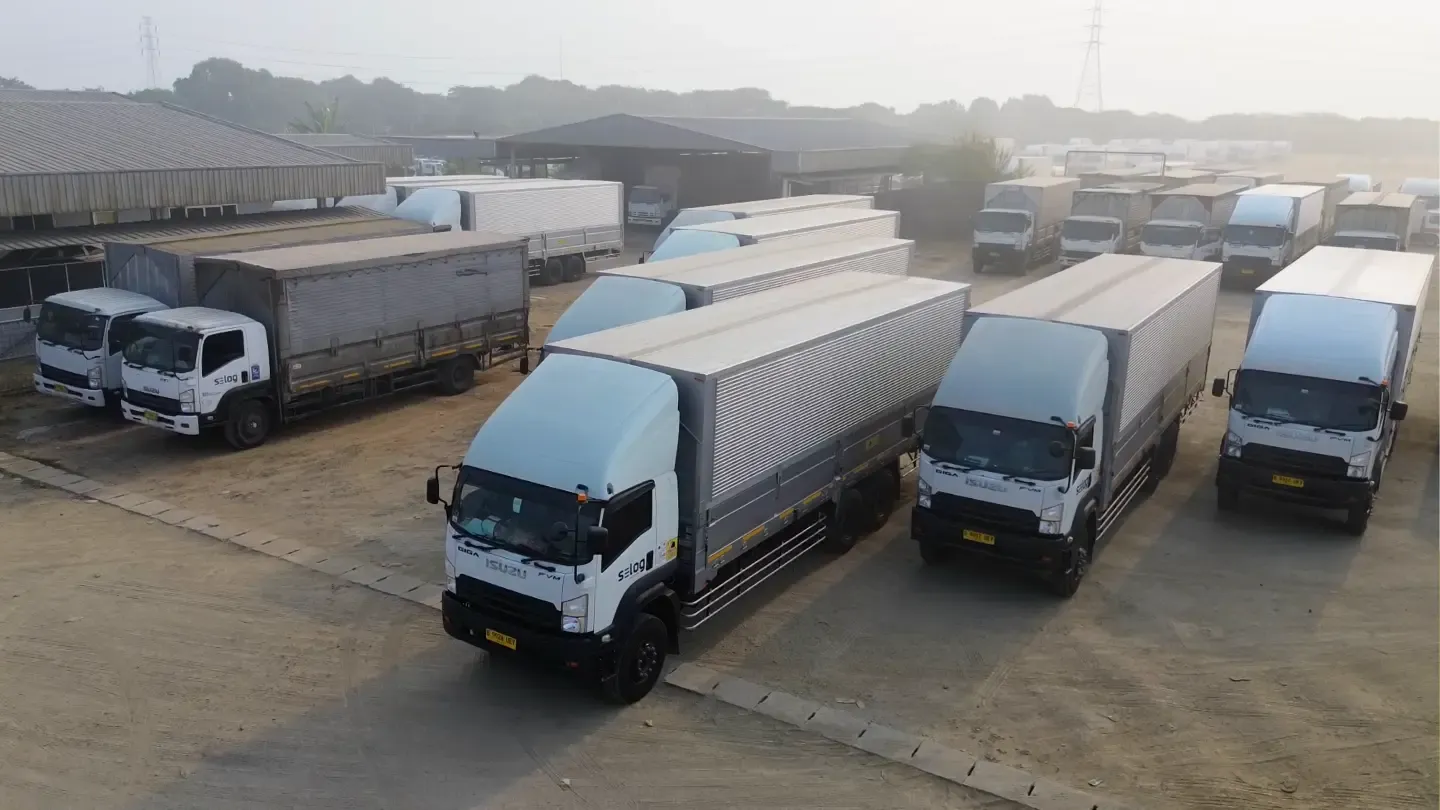
Types of Tronton Trucks and Their Functions
Information & Tips
18 September 2026
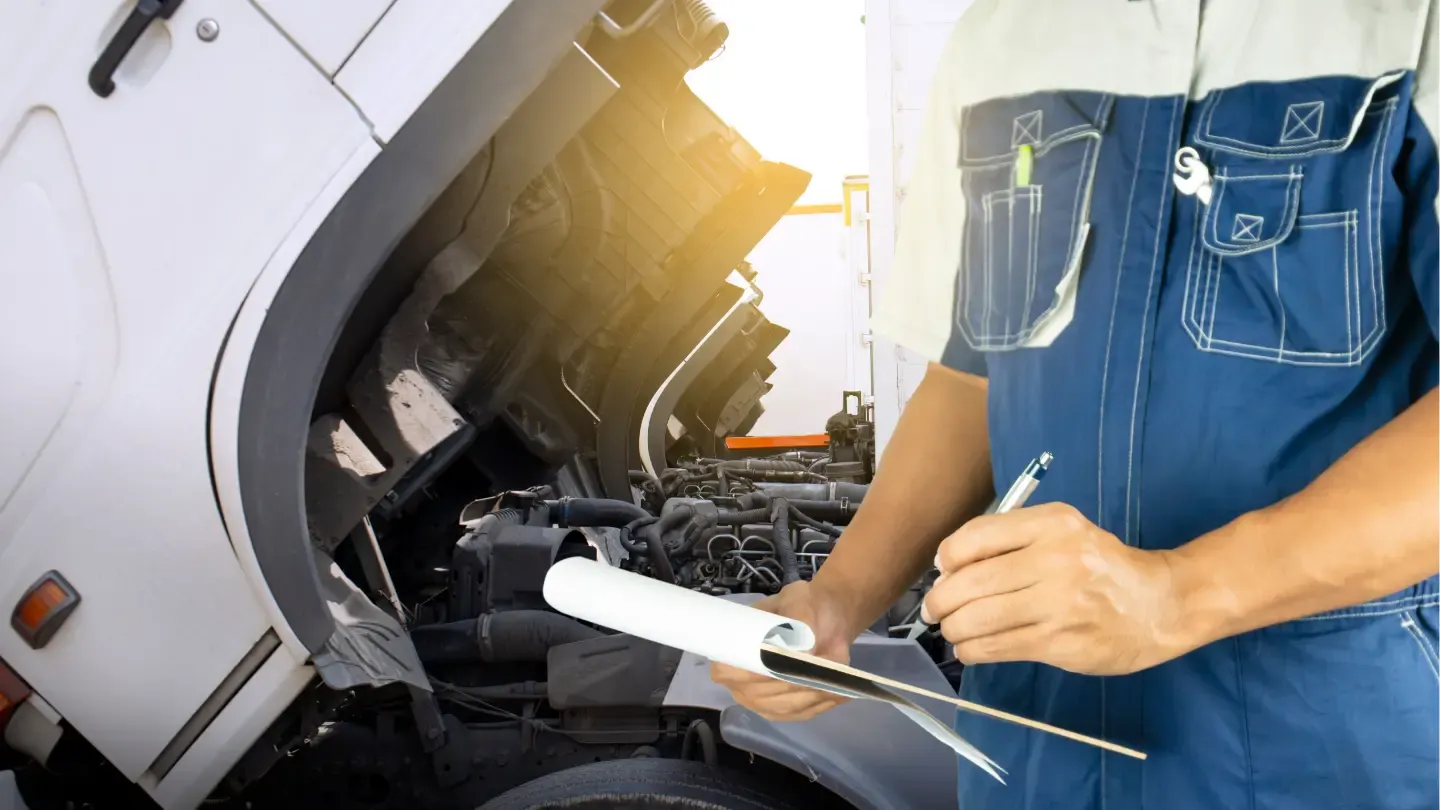
Carrying Extra Weight These 10 Truck Parts Must Be Replaced Regularly
Information & Tips
16 September 2026
The Use of the Internet of Things IoT in Logistics Warehouse Management
Information & Tips
15 September 2026
The Vital Role of Distribution Centers as the Heart of Modern Logistics

Information & Tips
11 September 2026
List of the 10 Largest Ports in Indonesia
Information & Tips
9 September 2026
Dwelling Time A Key Factor in Logistics Distribution Efficiency
Information & Tips
7 September 2026
Understanding Dry Ports A Solution to Congestion at Major Ports
Information & Tips
26 Agustus 2026
How to Choose the Right Export-Import Freight Forwarder
Make sure you have the latest SELOG and Logistics information updates
Please enter your email to get the latest news or articles from us.