
Information & Tips
18 November 2026
Understanding SMK PAU and How to Assess Safety Standards in the Trucking Industry
According to Ministerial Regulation No. 85 of 2018, SMK PAU is a safety management system that must be established and implemented by public transportation companies, including trucking providers.
For shippers, the SMK PAU certificate serves as an indicator that the partner they are working with places a strong emphasis on the safety of freight transportation.
10 Key Elements of SMK PAU
SMK PAU stands for Public Transportation Company Safety Management System, as defined by Ministry of Transportation Regulation No. PM 85 of 2018.
Under this regulation, every public transportation company—whether transporting passengers or goods—is required to establish, implement, and continuously improve the system in accordance with the following 10 key elements:
- Commitment and policy
- Organization
- Hazard and risk management
- Facilities for motor vehicle maintenance and repair
- Documentation and data
- Competency development and training
- Emergency response
- Internal accident reporting
- Monitoring and evaluation
- Performance measurement
Companies that pass and meet the Ministry of Transportation’s assessment criteria will receive an SMK PAU certificate valid for five years.
Strengthening the Ministry of Transportation’s Oversight of SMK PAU
Oversight of SMK PAU does not end with the issuance of a certificate. According to Ministerial Regulation No. 85/2018, oversight also involves observation and monitoring, inspections, and audits, including random inspections conducted at least once every two years.
The Directorate General of Land Transportation has emphasized that any operator neglecting to implement SMK PAU will face sanctions, ranging from warning letters to the suspension or revocation of their operating license.
Recently, the Ministry of Transportation also planned to strengthen the SMK PAU through the integration of licensing systems, the ranking and evaluation of SMK elements, and competency certification for document preparers.
Why Is Freight Transportation Safety Important?
For cargo owners, the safety of trucking services involves three key aspects: the risk of accidents, damage to or loss of goods, and business reputation and continuity.
Certificates are indeed important. However, on-the-ground practices are even more critical. Therefore, before partnering with a company, ask these six questions of potential partners.
- Certification. Request a copy of the SMK PAU certificate and verify its validity period. Management system certifications, such as ISO 45001 for Occupational Health and Safety (K3), are a significant advantage.
- Pre-trip inspection. Are vehicles inspected before departure using a written checklist?
- Driver competence and health. How are drivers trained, and how often are their health checks conducted?
- Rest periods. Are there rules regarding driving hour limits and rest periods to prevent fatigue?
- Fleet maintenance. Is there a preventive maintenance schedule and auditable maintenance records?
- Telematics. Is driving behavior—such as speed and sudden braking—monitored through a fleet management system?
SELOG’s Commitment to Safety in Trucking Services
As a trucking service provider, SELOG obtained the SMK PAU certification from the Directorate General of Land Transportation at the Ministry of Transportation in March 2024 in accordance with Ministerial Regulation No. 85/2018.
In addition, SELOG has also obtained ISO 45001:2018 certification for its occupational health and safety management system, ISO 9001:2015 for its quality management system, and PAS 99:2022 for its integrated management system.
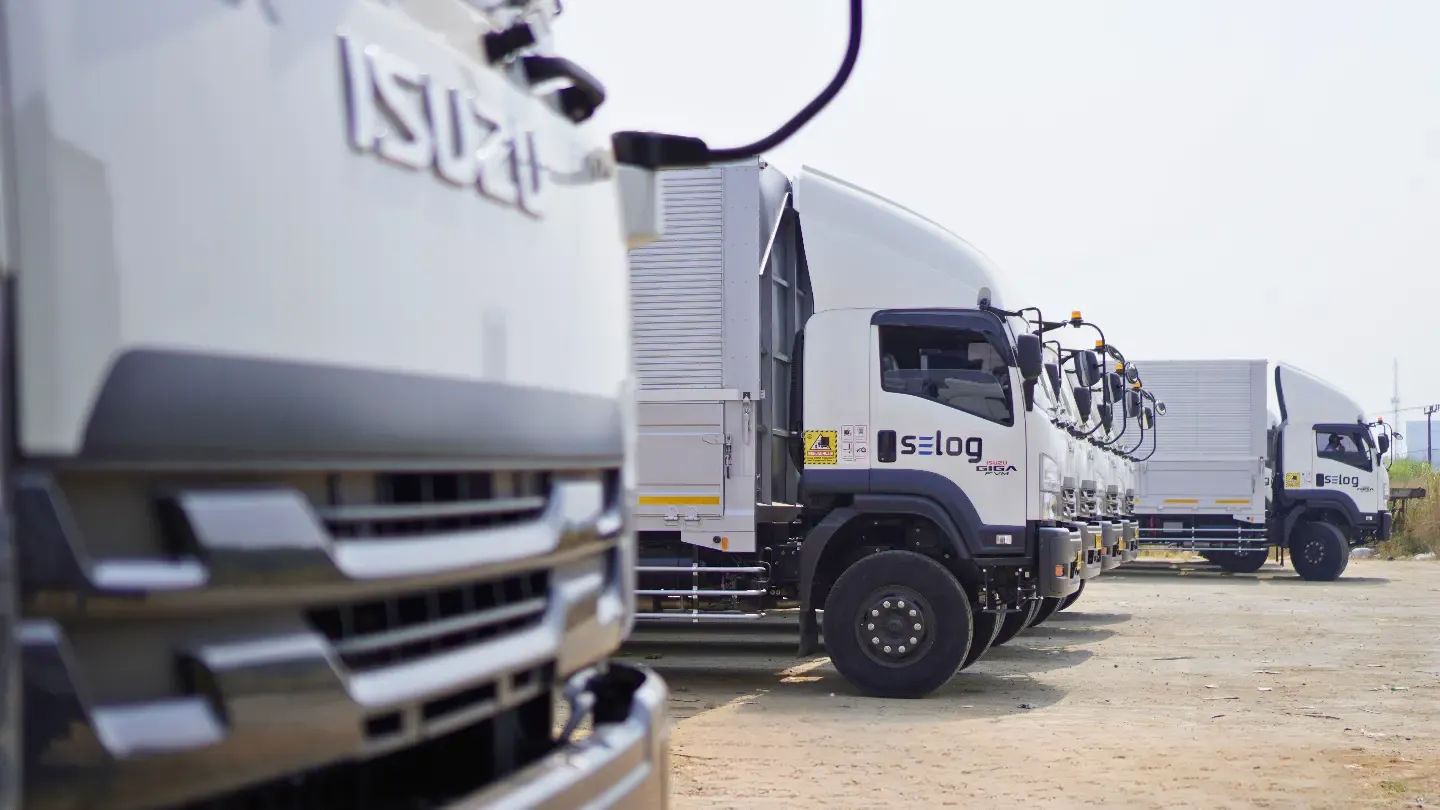
SELOG offers trucking services to support freight transportation needs with a fleet that can be tailored to specific shipment requirements.
The logistics business unit of PT Serasi Autoraya (SERA)—which is also part of the Astra Group—has over 20 years of experience providing a comprehensive range of logistics services.
SELOG offers key trucking services that serve as delivery solutions to various locations. These include:
- Last Mile Delivery for deliveries directly to customers
- Long Haul for inter-city and inter-island distribution
- Less Than Truckload (LTL) for small-volume shipments
SELOG’s truck fleet is comprehensive, ranging from Blind Vans, CDE Trucks, CDD Long Trucks, to Wingbox Trucks. It is also supported by the Astra Fleet Management Solution (AstraFMS) digital technology to monitor fleet mobility in real time.
In addition to trucking, SELOG also provides a variety of other end-to-end logistics services, including shipping, freight forwarding, warehousing, and project cargo.
For more information about SELOG’s services, visit the website www.selog.astra.co.id or call (021) 26605333. Also, follow SELOG’s official social media accounts.
- Instagram: @selog_astra
- LinkedIn: SELOG
Latest Article
Information & Tips
20 November 2026
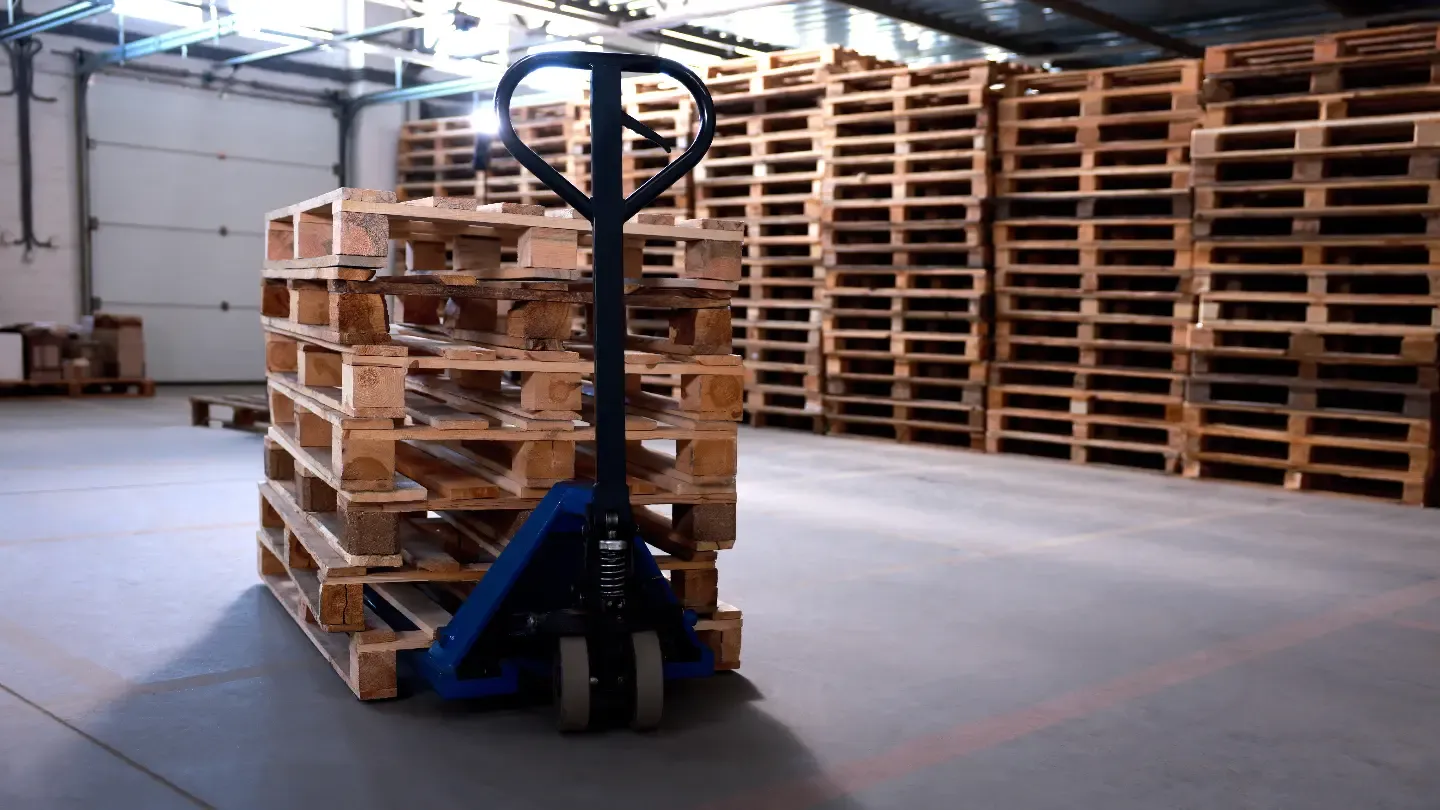
Practical Tips for Stacking Goods on Pallets for Safe Shipping
Information & Tips
18 November 2026
Understanding SMK PAU and How to Assess Safety Standards in the Trucking Industry
Information & Tips
16 November 2026
Tips for Managing Your Delivery Schedule to Keep Operations Running Smoothly During the Christmas an
Article Category
Information & Tips
20 November 2026
Practical Tips for Stacking Goods on Pallets for Safe Shipping
Information & Tips
16 November 2026
Tips for Managing Your Delivery Schedule to Keep Operations Running Smoothly During the Christmas an

Information & Tips
13 November 2026
Fleet Management System for Trucks More Than Just GPS Tracking

Information & Tips
11 November 2026
Types of Shipping Documents You Need to Know
Information & Tips
9 November 2026
How to Calculate Truck Shipping Costs
Information & Tips
6 November 2026
Understanding FIFO, FEFO, and LIFO Inventory Issuance Methods in Warehouses
Information & Tips
4 November 2026
20-feet, 40-feet, and 40 HC Container Sizes Which One Is Right for You
Information & Tips
3 November 2026
Warehouse Layout Tips for Faster and More Efficient Picking
Information & Tips
28 Oktober 2026
Which Is More Cost-Effective for Import and Export Sea or Air Here Are the Pros and Cons
Information & Tips
26 Oktober 2026
Bill of LadingAn Important Document for Import and Export
Make sure you have the latest SELOG and Logistics information updates
Please enter your email to get the latest news or articles from us.