

Information & Tips
13 November 2026
Fleet Management System for Trucks More Than Just GPS Tracking
A fleet management system (FMS) is more than just GPS tracking. This system combines location data, driver behavior, fuel consumption, and truck maintenance all in one platform.
As a result, operational costs are better controlled, safety is enhanced, and you can monitor deliveries in real time. SELOG has implemented this through the Astra Fleet Management Solution (AstraFMS).
What Is a Fleet Management System, and How Is It Different from a Standard GPS Tracker?
A fleet management system is a technology-based system that collects and processes data on vehicles, drivers, and operations within a single platform to help companies manage their fleets more effectively.
The key difference from a standard GPS tracker is that GPS merely provides a location on a map, while an FMS provides the context needed for decision-making.
Furthermore, a standard GPS tracker only provides information on a vehicle’s location. In contrast, an FMS is more comprehensive because it reveals data on how a truck is driven, how much fuel is consumed, when maintenance is due, and whether a route is efficient or not.
How Significant Are the Benefits of an FMS for the Logistics Industry?
There are at least three benefits that logistics industry players can immediately realize by utilizing FMS technology.
Operational Cost Efficiency
Fuel and fleet maintenance are major cost components. Accurate data helps reduce these costs while maximizing fleet utilization without having to add more vehicles.
Safety Mitigation
Data-driven driver training helps reduce the risk of accidents, protecting both drivers and cargo. This, in turn, helps maintain the company’s reputation.
Transparency for Customers
Estimated time of arrival (ETA) and proof of delivery let customers know exactly where their goods are. This gives customers peace of mind and gradually builds their trust.
What Are the Key Features of FMS for Trucks?
Generally, there are five key FMS features for trucks, ranging from real-time tracking to route optimization.
1. Real-Time Tracking
The truck’s location and status are monitored in real time, allowing the operations team to respond more quickly to traffic jams or delays.
2. Driver Behavior Monitoring
The system records risky driving habits—such as speeding, sudden braking, or sharp turns—for evaluation purposes.
3. Fuel Management
Data on fuel consumption and engine idle time are invaluable for identifying sources of fuel waste.
4. Maintenance Schedule
Service reminders based on mileage or operating hours help prevent sudden breakdowns, which can lead to delivery delays.
5. Route Optimization
Routes and fleet assignments can be better planned to shorten travel times and minimize truck downtime.
Implementation Challenges and How to Choose the Right System
Implementing an FMS is not as simple as installing a piece of technology. The most common challenges include high initial investment costs, adapting driver and operational team habits, and integration with existing systems such as ERP or WMS.
To avoid making the wrong choice, consider the following:
- Features that align with your operational type and cargo
- Easy to use for both administrators and drivers
- Capable of integration and scalability as the business grows
- Clear training and after-sales support
- Data is well-protected
- Prioritize long-term value over the lowest price
As a first step, conduct a pilot test on a portion of the fleet before rolling it out to all units.
How Is AstraFMS Implemented in SELOG’s Services?
SELOG’s trucking services are supported by Astra Fleet Management Solution (AstraFMS), a technology-based vehicle management solution that enables real-time vehicle monitoring.
AstraFMS integrates vehicle, driver, and operational management modules into a single system, including monitoring of risky maneuvers such as speeding and sudden braking.
In fact, the Tracking & Tracing feature is now available on the SELOG website. This means you get not only professional trucks and drivers, but also logistics services supported by the latest technology.
SELOG Trucking Services
SELOG offers trucking services to support freight transportation needs with a fleet that can be tailored to specific shipment requirements.
The logistics business unit of PT Serasi Autoraya (SERA)—which is also part of the Astra Group—has over 20 years of experience providing a wide range of comprehensive logistics services.
SELOG offers key trucking services that can serve as shipping solutions to various locations. These include:
- Last Mile Delivery for deliveries directly to customers
- Long Haul for inter-city and inter-island distribution
- Less Than Truckload (LTL) for small-volume shipments
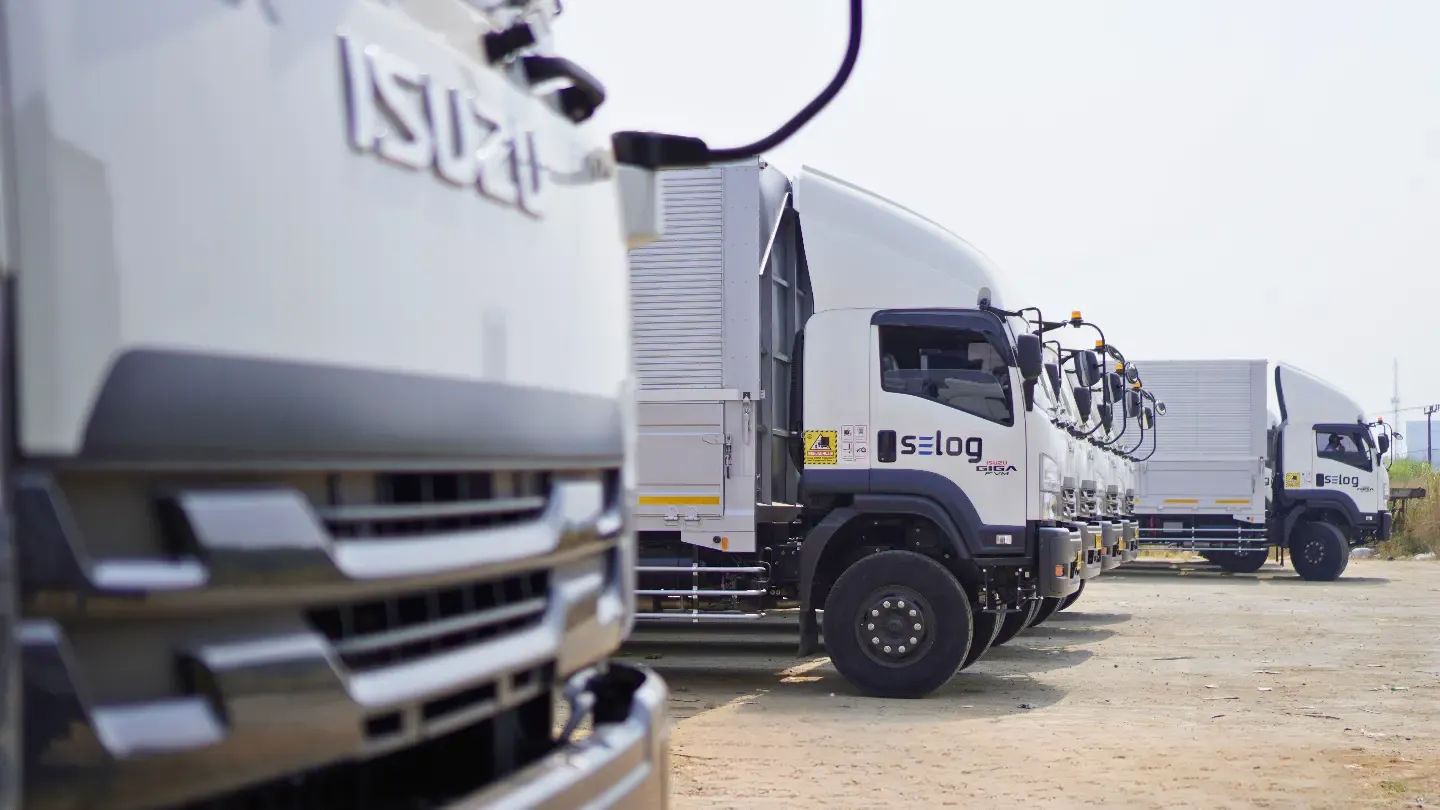
SELOG’s truck fleet is comprehensive, ranging from Blind Vans, CDE Trucks, CDD Long Trucks, to Wingbox Trucks. It is also supported by the digital technology Astra Fleet Management Solution (AstraFMS) to monitor fleet mobility in real-time.
In addition to trucking, SELOG also provides a variety of other end-to-end logistics services, including shipping, freight forwarding, warehousing, and project cargo.
For more information about SELOG’s services, visit the website www.selog.astra.co.id or call (021) 26605333. Also, follow SELOG’s official social media accounts.
- Instagram: @selog_astra
- LinkedIn: SELOG
Latest Article
Information & Tips
20 November 2026
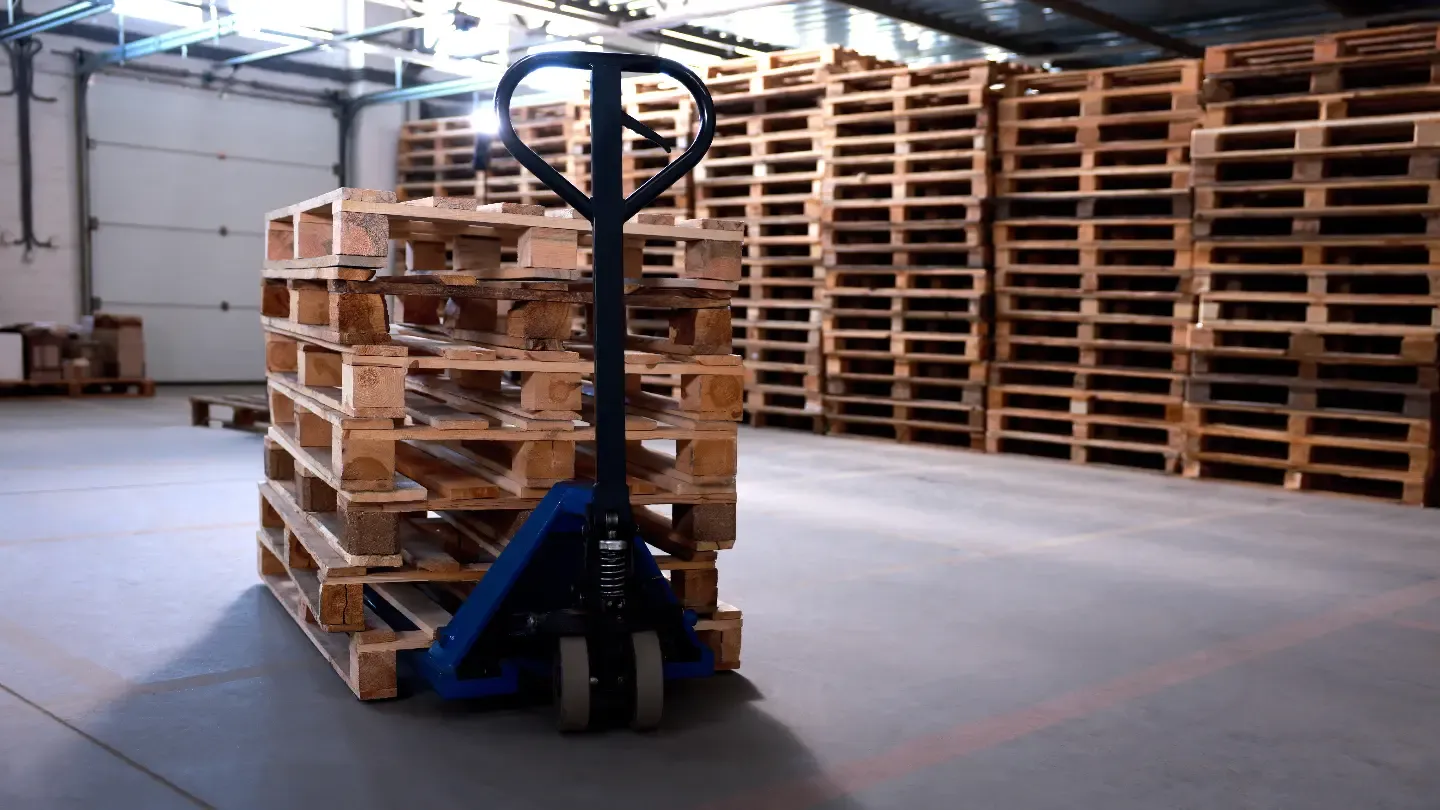
Practical Tips for Stacking Goods on Pallets for Safe Shipping
Information & Tips
18 November 2026
Understanding SMK PAU and How to Assess Safety Standards in the Trucking Industry
Information & Tips
16 November 2026
Tips for Managing Your Delivery Schedule to Keep Operations Running Smoothly During the Christmas an
Article Category
Information & Tips
20 November 2026
Practical Tips for Stacking Goods on Pallets for Safe Shipping
Information & Tips
18 November 2026
Understanding SMK PAU and How to Assess Safety Standards in the Trucking Industry
Information & Tips
16 November 2026
Tips for Managing Your Delivery Schedule to Keep Operations Running Smoothly During the Christmas an

Information & Tips
11 November 2026
Types of Shipping Documents You Need to Know

Information & Tips
9 November 2026
How to Calculate Truck Shipping Costs
Information & Tips
6 November 2026
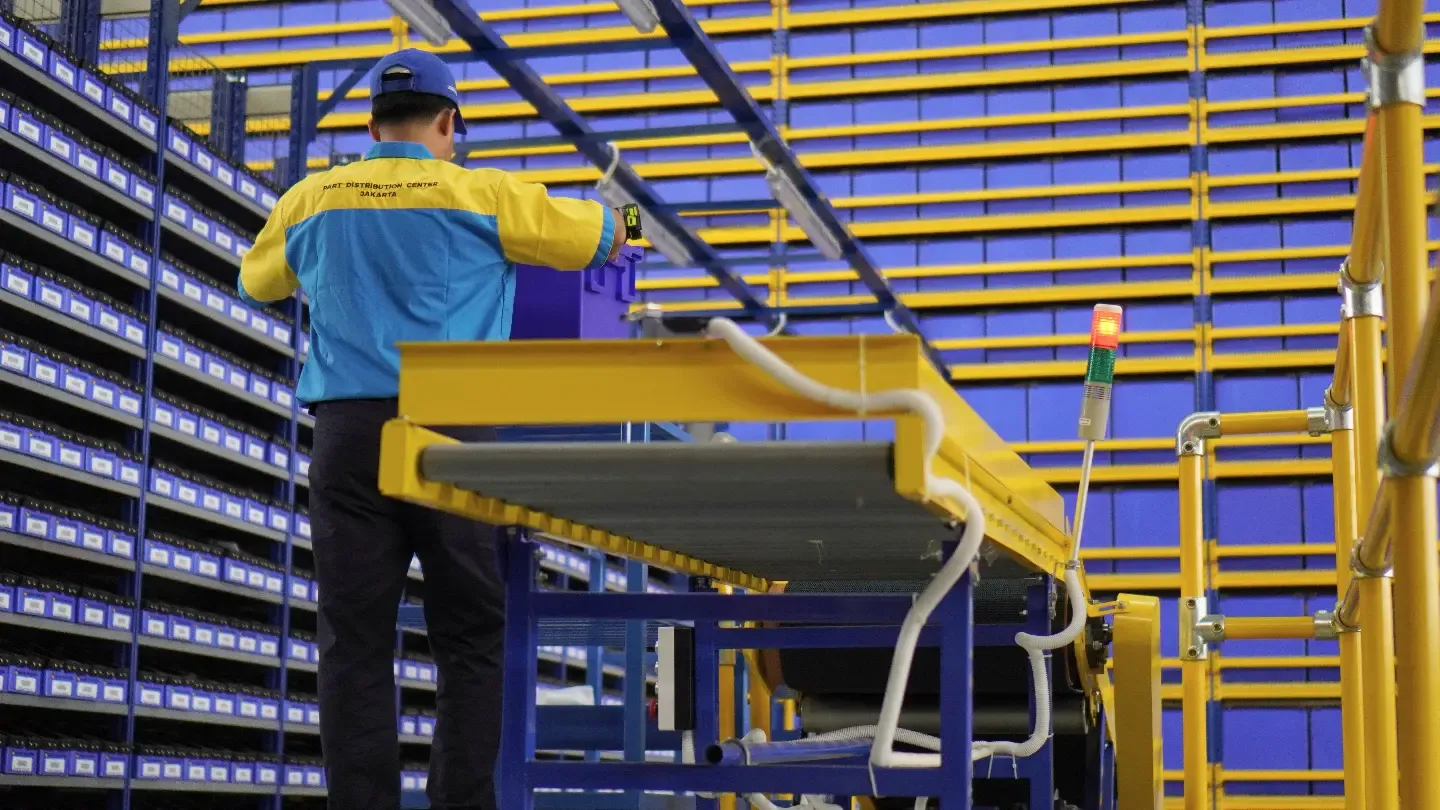
Understanding FIFO, FEFO, and LIFO Inventory Issuance Methods in Warehouses

Information & Tips
4 November 2026
20-feet, 40-feet, and 40 HC Container Sizes Which One Is Right for You
Information & Tips
3 November 2026
Warehouse Layout Tips for Faster and More Efficient Picking

Information & Tips
28 Oktober 2026
Which Is More Cost-Effective for Import and Export Sea or Air Here Are the Pros and Cons
Information & Tips
26 Oktober 2026
Bill of LadingAn Important Document for Import and Export
Make sure you have the latest SELOG and Logistics information updates
Please enter your email to get the latest news or articles from us.