
Information & Tips
26 Oktober 2026
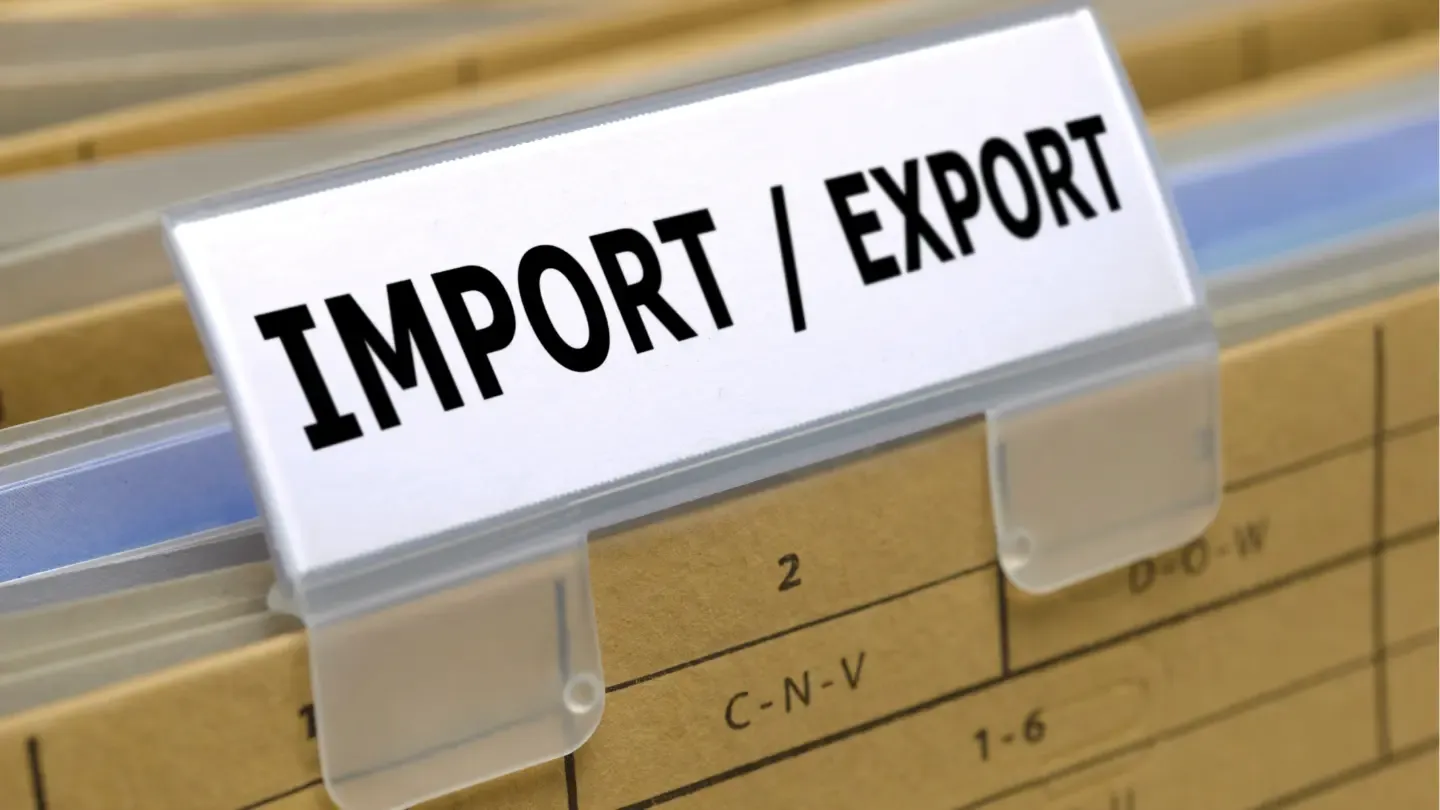
Bill of LadingAn Important Document for Import and Export
The Bill of Lading (B/L) is one of the most important documents in import and export activities, particularly for the shipment of goods by sea. It serves as proof of the carrier’s receipt of the goods, evidence of the contract of carriage, and a document of title to the goods.
In practice, the Bill of Lading is used to record shipment information, ranging from the identities of the shipper and consignee, a description of the cargo, to the ports of origin and destination.
This document is crucial for the administrative processing of shipments and the settlement of international trade transactions. Therefore, the accuracy of the information in the B/L significantly impacts the smooth progress of the shipment process through to the delivery of goods to the consignee.
What Is a Bill of Lading?
A Bill of Lading is a transport document issued by a carrier, such as a shipping line, as proof that the goods have been accepted for transport to the agreed-upon destination.
In certain shipments, a freight forwarder may also issue a House Bill of Lading (HBL), while the shipping line issues a Master Bill of Lading (MBL).
This document plays a crucial role in the transportation relationship between the shipper and the carrier. The B/L contains information about the goods being shipped as well as the applicable terms of carriage.
3 Main Functions of a Bill of Lading
A Bill of Lading serves three main functions that make it indispensable in logistics and international trade.
1. Proof of Goods Receipt
The B/L serves as proof that the carrier has received the goods for shipment in accordance with the information listed in the document.
Information regarding the type of goods, number of packages, and condition of the cargo—recorded at the time of receipt—greatly helps relevant parties understand the initial condition of the goods.
Therefore, exporters must ensure that cargo information has been provided accurately before the document is issued.
2. Document of Title
For certain types of B/Ls, this document serves as a document of title—that is, a legal document establishing the right to take possession of or transfer the goods in accordance with applicable regulations.
However, not all shipments require the physical delivery of the original B/L. For shipments using a sea waybill or a telex release mechanism, the cargo release procedure follows the terms of the relevant documents and the carrier.
3. Evidence of a Contract of Carriage
The Bill of Lading also serves as evidence of a contract of carriage between the shipper and the carrier.
This document outlines the terms of shipment, including the parties involved, the route of transport, a description of the goods, and other applicable terms.
All information listed serves as a reference for the relevant parties throughout the distribution process until the goods arrive at the destination port.
With clear shipping documents in place, coordination between exporters, importers, shipping lines, and logistics providers can be carried out in a more structured manner.
Information in the Bill of Lading
To ensure a smooth shipment, the Bill of Lading contains several key pieces of information regarding the goods and the shipping process, including:
- Shipper and consignee—the identities of the sender and recipient of the goods
- A description of the goods, including the type, quantity, and details of the cargo
- The weight, volume, and dimensions of the cargo based on the shipping data
- The ports of origin and destination, including the locations for loading and unloading the goods
- The vessel’s name and shipping information
- The date of issuance or loading
- The container number and seal
- Terms regarding freight charges and the responsible parties as specified in the document
Exporters and importers must verify this information before approving the document. Additionally,
commodity classification codes such as the Harmonized System (HS Code) are also crucial in international trade. However, their inclusion is not mandatory on every B/L.
Why Is the Bill of Lading Important in Import-Export?
In addition to serving as a transport document, the Bill of Lading also supports several key processes in international trade, including:
Supporting customs clearance procedures. The shipping information in the B/L can be used alongside other supporting documents to verify cargo details.
Supporting payment settlement. In transactions using a Letter of Credit (L/C), the B/L may be a document that must be submitted to the bank.
Supporting the insurance claims process. If goods are damaged or lost during transport, the B/L serves as one of the key documents for filing a claim.
Efficient Import-Export Operations with SELOG Freight Forwarding
Proper management of the Bill of Lading must be complemented by effective shipment coordination. In import-export activities, both parties must ensure that shipping documents, departure schedules, and relevant information are shared with all involved parties.
One logistics company that offers Freight Forwarding services to support seamless export and import operations is SELOG, a subsidiary of PT Serasi Autoraya (SERA), which is also part of the Astra Group.
With over 20 years of experience, SELOG is recognized as a provider of comprehensive logistics solutions, including trucking services with a diverse fleet of vehicles.
In addition to trucking, SELOG also offers other logistics services to address every business need, ranging from freight forwarding, shipping, and warehousing to project cargo.
SELOG’s services are also supported by the latest digital technologies, which not only simplify operations but also enhance business effectiveness and efficiency.
One example is the implementation of the Astra Fleet Management Solution (AstraFMS) and the Warehouse Management System (WMS).
For more information about SELOG’s profile and services, visit the website www.selog.astra.co.id and follow SELOG on social media:
- Instagram @selog_astra
- LinkedIn: SELOG
Latest Article
Information & Tips
28 Oktober 2026
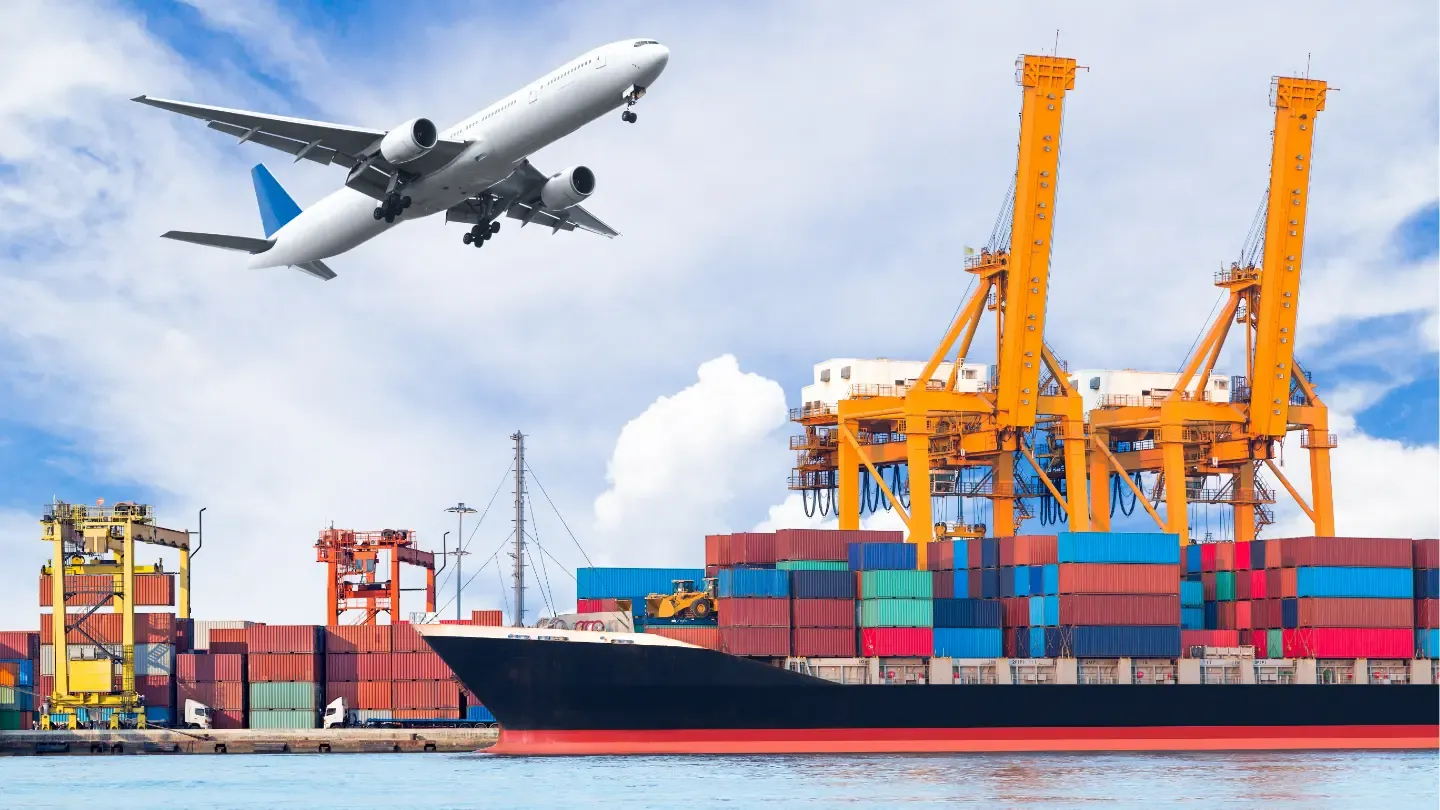
Which Is More Cost-Effective for Import and Export Sea or Air Here Are the Pros and Cons
Information & Tips
26 Oktober 2026
Bill of LadingAn Important Document for Import and Export
Information & Tips
23 Oktober 2026
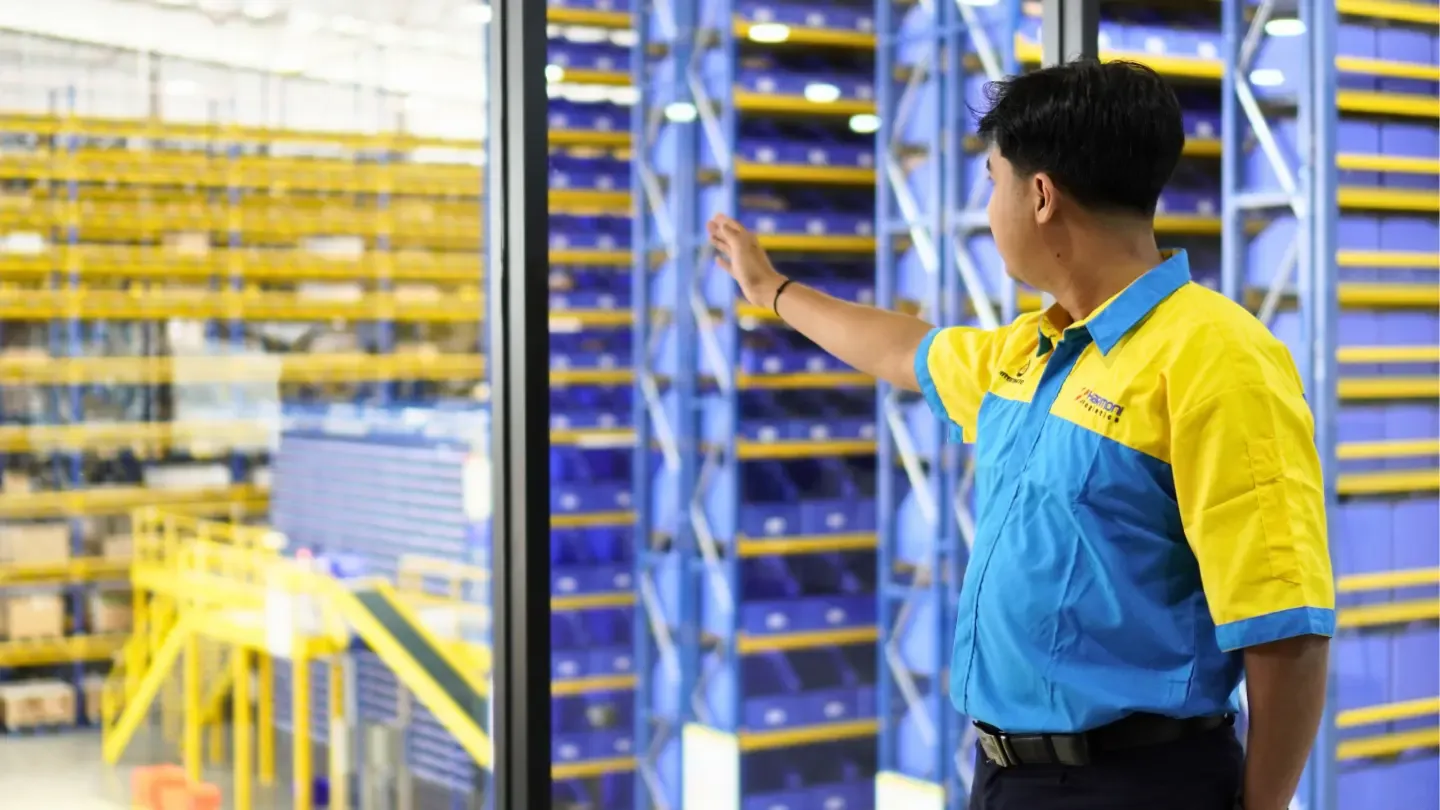
Warehouse Management Challenges to Anticipate
Article Category
Information & Tips
28 Oktober 2026
Which Is More Cost-Effective for Import and Export Sea or Air Here Are the Pros and Cons
Information & Tips
23 Oktober 2026
Warehouse Management Challenges to Anticipate
Information & Tips
21 Oktober 2026
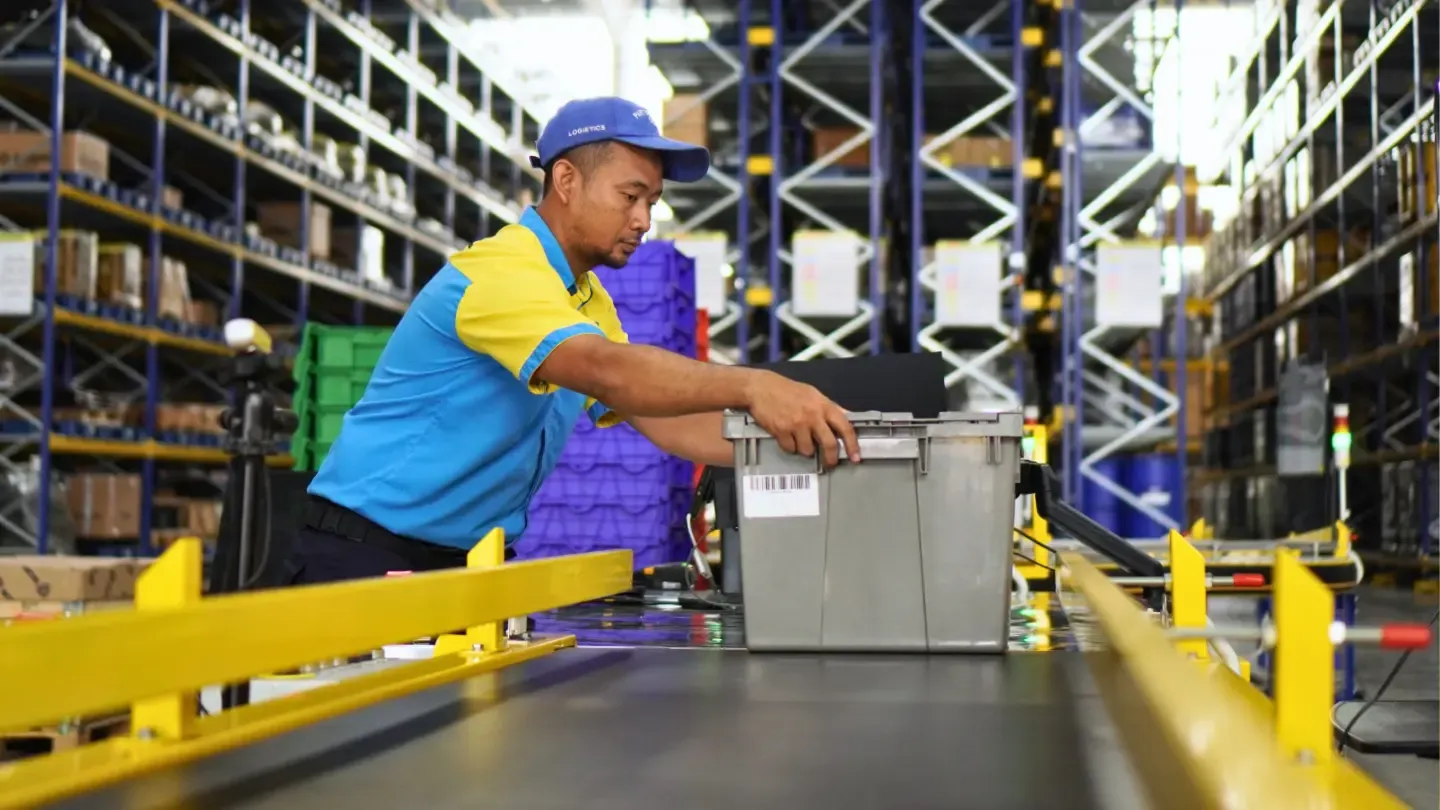
Understanding Inbound Outbound in Inventory Management

Information & Tips
19 Oktober 2026
Understanding Truck Components, from the Engine to the Tires
Information & Tips
News
16 Oktober 2026
Advantages of Wingbox Trucks Over Other Types of Trucks for Goods Delivery
Information & Tips
14 Oktober 2026
Stages of Exporting Goods That Business Owners Should Know
Information & Tips
13 Oktober 2026
5 Main Responsibilities of a Freight Forwarder in the Shipping Process

Information & Tips
5 Oktober 2026
Types of LCT Vessels and Their Uses for Transporting Bulk Cargo
Information & Tips
28 September 2026
4 Types of Wingbox Trucks for Goods Distribution

Information & Tips
25 September 2026
Tips for Warehouse Management Efficiency
Make sure you have the latest SELOG and Logistics information updates
Please enter your email to get the latest news or articles from us.