
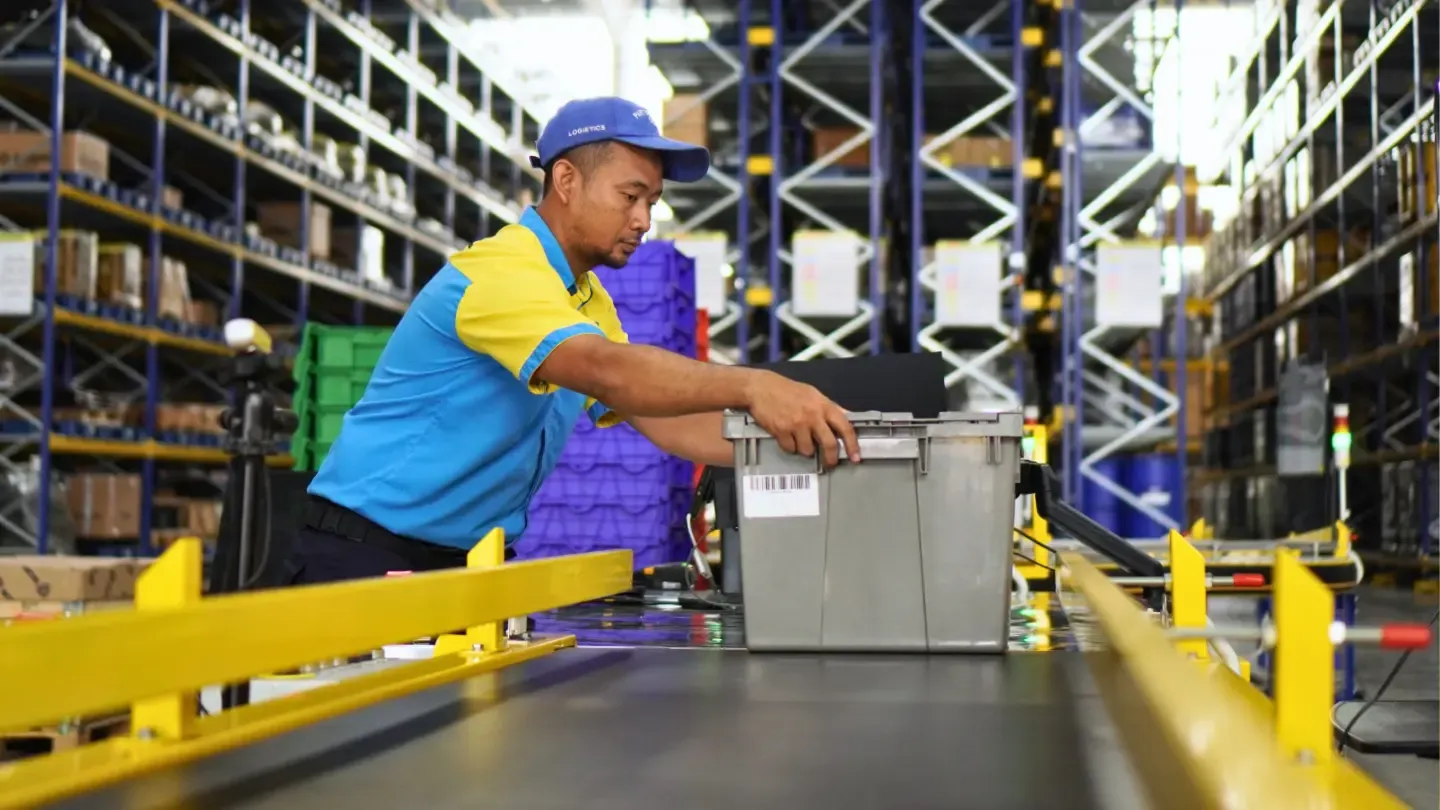
Information & Tips
21 Oktober 2026
Understanding Inbound Outbound in Inventory Management
In inventory management, it’s not enough to simply store goods. They must also enter and leave the warehouse according to proper procedures. There are two key processes that govern this: inbound and outbound.
Both are vital processes. Therefore, it’s essential to understand their definitions, stages, common issues, and optimization tips to ensure more accurate inventory data and prevent delayed shipments.
What Is the Inbound Process?
Inbound refers to the entire series of activities when goods enter the warehouse—whether from suppliers, factories, or other warehouses—until they are stored in their designated locations.
This process serves as the gateway to inventory management within the warehouse. If things get disorganized right from the start, you can be sure that the inventory data and conditions inside will also be problematic.
What Is the Outbound Process?
Meanwhile, outbound is the opposite—it’s the process of removing goods from the warehouse to fulfill orders from customers, retailers, or distribution centers.
It covers everything from picking the goods and packing them to preparing them for shipment. It is at this stage that customers truly evaluate the quality of your service.
Stages of the Inbound Process
Generally, the inbound process consists of four interconnected steps, including:
- Scheduling and Receiving. The warehouse receives information about the arrival of goods and then matches the shipping documents with the order when the goods arrive.
- Inspection. Checking the quantity and condition of the goods to determine if any are damaged, missing, or do not meet specifications.
- Recording and labeling. Inventory data is updated in the system, and each item is labeled or coded to facilitate tracking.
- Putaway. Goods are moved to designated storage locations based on type, size, and turnover priority.
Stages of the Outbound Process
Once the goods are stored and an order comes in, the outbound process begins. Just like the inbound process, there are four stages that must be completed, namely:
- Order verification. Incoming orders are checked for stock availability and then forwarded to the warehouse team.
- Picking. Staff retrieve items from the shelves according to the order list.
- Packaging (packing) and final inspection. The packaged items are cross-checked against the order and then labeled for shipment.
- Shipping. Packages are handed over to the fleet or couriers according to the schedule for immediate delivery to the destination.
Common Issues in the Inbound and Outbound Processes
In practice, these two processes do not always run smoothly. Here are some of the most common issues encountered.
Inbound:
- Recording errors, especially if data entry is still done manually
- Damaged items or items that do not match the order, which are only discovered after they’ve been placed on the shelves
- Disorganized item placement, making it difficult to find items when needed
Outbound:
- Picking errors or incorrect shipments
- Slow picking and packing processes when orders pile up
- Inadequate item tracking, making it difficult to confirm order status
Optimizing Inbound and Outbound for More Organized Inventory Management
The inbound and outbound processes are like two sides of the same coin. One determines how accurately incoming goods are recorded, while the other determines how precisely goods reach customers.
With clear workflows, organized record-keeping, and routine evaluations, inventory management within the warehouse can certainly run more efficiently and with fewer errors.
To ensure these processes function more effectively, here are some tips you can implement.
- Establish clear standard operating procedures (SOPs). Standardize the steps from receipt to shipment so that all staff follow the same procedures.
- Organize the warehouse layout. Group items by type and turnover rate. Items that are frequently shipped out should be placed near the packing area.
- Digitize record-keeping. Barcodes, RFID, or a warehouse management system (WMS) help update inventory data quickly and reduce data entry errors.
- Conduct periodic physical inventory counts. Reconcile system data with physical inventory to quickly detect discrepancies before they escalate.
- Train the team regularly. Staff who understand the workflow and the reasoning behind it tend to be more meticulous.
- Monitor performance indicators. For example, loading and unloading times, picking accuracy, and on-time delivery rates—then evaluate them regularly.
SELOG Warehousing: A Reliable Inventory Management Partner
There’s no denying that inventory management is a crucial phase in ensuring supply chain stability. Therefore, a professional and experienced logistics partner is essential to ensure every process runs more systematically and according to plan.
One logistics company worth considering for seamless inventory management is SELOG, a subsidiary of PT Serasi Autoraya (SERA), which is also part of the Astra Group.
With over 20 years of experience in the logistics industry, SELOG offers modern warehousing services featuring an integrated inventory management system with the following advantages.
- An extensive and strategically located network of warehouses across various regions in Indonesia
- An integrated warehouse management system for real-time inventory monitoring
- Secure, modern storage facilities tailored to industry needs
- Supported by a team of professionals with extensive experience in logistics and supply chain management
SELOG’s services are further enhanced by a Warehouse Management System (WMS), ensuring that every process—from incoming goods, binning, to picking—can be accurately monitored.
In addition to warehousing, SELOG also provides comprehensive logistics services: Shipping, Freight Forwarding, Trucking, and Project Cargo.
For more information about SELOG’s services, visit the official website at www.selog.astra.co.id and follow SELOG on social media:
- Instagram: @selog_astra
- LinkedIn: SELOG
Latest Article

Information & Tips
28 Oktober 2026
Which Is More Cost-Effective for Import and Export Sea or Air Here Are the Pros and Cons
Information & Tips
26 Oktober 2026
Bill of LadingAn Important Document for Import and Export
Information & Tips
23 Oktober 2026
Warehouse Management Challenges to Anticipate
Article Category
Information & Tips
26 Oktober 2026
Bill of LadingAn Important Document for Import and Export
Information & Tips
23 Oktober 2026
Warehouse Management Challenges to Anticipate

Information & Tips
19 Oktober 2026
Understanding Truck Components, from the Engine to the Tires
Information & Tips
News
16 Oktober 2026
Advantages of Wingbox Trucks Over Other Types of Trucks for Goods Delivery

Information & Tips
14 Oktober 2026
Stages of Exporting Goods That Business Owners Should Know
Information & Tips
13 Oktober 2026
5 Main Responsibilities of a Freight Forwarder in the Shipping Process

Information & Tips
5 Oktober 2026
Types of LCT Vessels and Their Uses for Transporting Bulk Cargo
Information & Tips
28 September 2026
4 Types of Wingbox Trucks for Goods Distribution
Information & Tips
25 September 2026
Tips for Warehouse Management Efficiency

Information & Tips
23 September 2026
Challenges in Medical Device Distribution That Need to Be Anticipated
Make sure you have the latest SELOG and Logistics information updates
Please enter your email to get the latest news or articles from us.