
Information & Tips
13 Oktober 2026
5 Main Responsibilities of a Freight Forwarder in the Shipping Process
A freight forwarder is a logistics service provider that arranges the shipment of goods from the point of origin to the final destination via land, sea, air, or a combination of these modes.
Its primary role is to serve as a liaison between the shipper and the transportation service provider. It handles domestic and international shipments, managing not only transportation but also documentation, customs clearance, and distribution.
5 Key Responsibilities of a Freight Forwarder
1. Planning Routes and Modes of Transportation
A freight forwarder determines the most suitable shipping method based on the nature of the goods, destination, budget, and time constraints. Options include land, sea, air, or a combination of all three.
This planning involves selecting routes, departure schedules, container requirements, and cost estimates.
2. Arranging Pickup and Handling of Goods
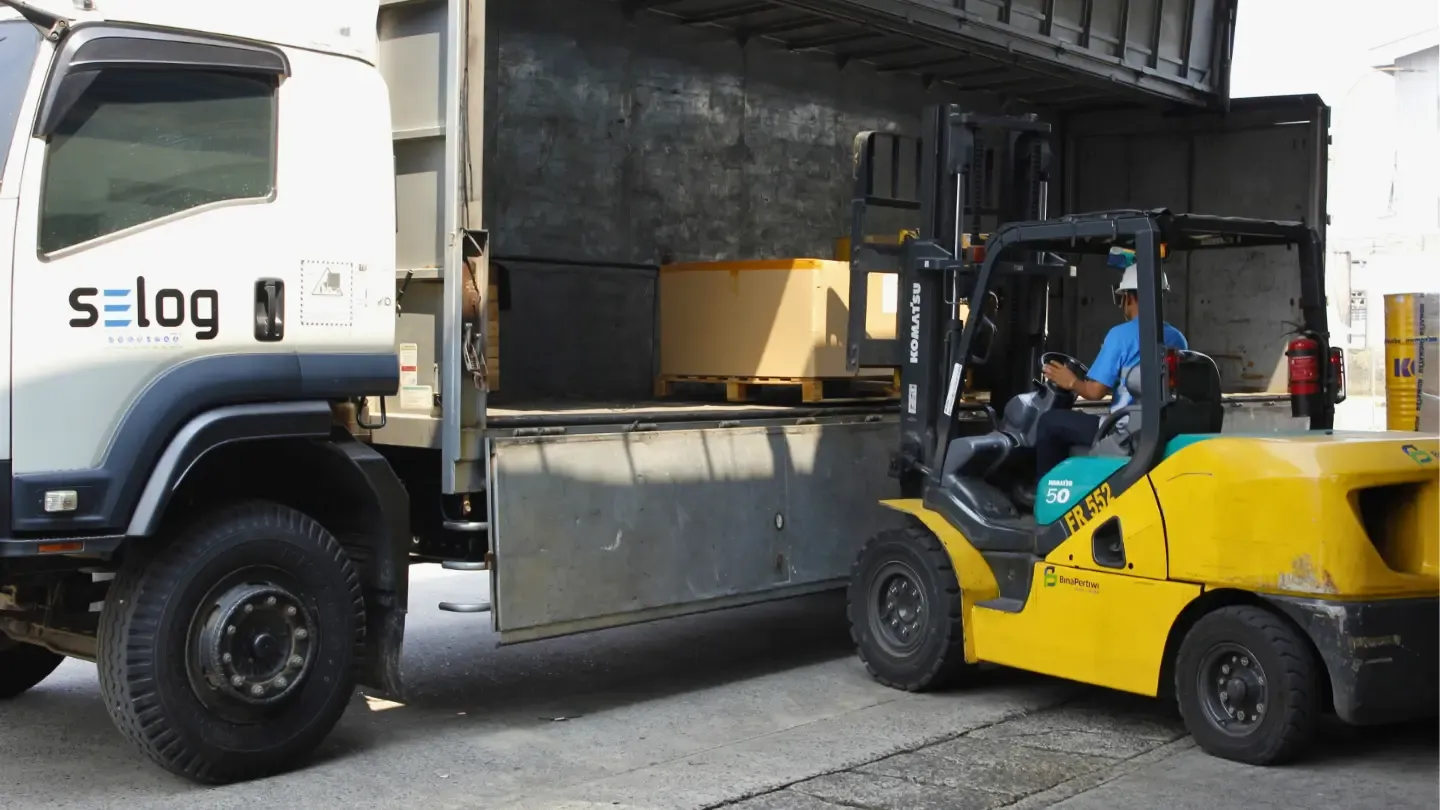
Freight forwarders can also coordinate pickups from warehouses, factories, or supplier locations, then prepare the goods for shipment. This stage may include:
- cargo consolidation
- packaging
- temporary storage
- arranging transport vehicles
Handling must be tailored to the nature of the goods to minimize damage during transit.
3. Handling shipping documents
Critical documents, especially for import and export, can also be managed by a freight forwarder, including the preparation of:
- Invoice (goods invoice)
- Packing list (details of goods and packaging)
- Bill of lading (ocean freight document)
- Air waybill (air freight document)
- other supporting documents
Proper documentation can reduce the risk of administrative errors that could potentially cause shipment delays. For customs clearance, document requirements and the division of responsibilities must comply with applicable regulations.
4. Coordinating the shipping process
Once the goods are ready, the freight forwarder will arrange the shipment and coordinate with transportation providers.
Afterward, they will also monitor the shipment’s status, provide updates, and assist in resolving operational issues.
5. Managing the shipment to its final destination
The job is not complete once the goods arrive at the destination port, airport, or terminal. The final stage may include customs coordination, cargo handling, cargo pickup, and onward delivery to the recipient’s location.
Freight Forwarder Workflow
Generally, a freight forwarder’s workflow is divided into the following 6 stages:
- Shipping needs consultation
- Route and cost planning
- Pickup of goods
- Document processing
- Transportation process
- Coordination of delivery to the recipient
For international shipments, customs clearance and document inspection are crucial.
Each stage is interconnected, so accurate cargo data, coordination among parties, and shipment monitoring are essential for preventing delays and additional costs.
How to Choose the Right Freight Forwarder
There are at least six factors to consider before using a freight forwarder’s services. These include:
- The freight forwarder’s experience with the specific cargo types and routes required
- Coverage of domestic and international routes
- Available transportation modes
- Cost transparency, including potential hidden charges
- Ability to handle import-export documentation
- Tracking and communication, plus a clear division of responsibilities in the contract
SELOG Freight Forwarding Services
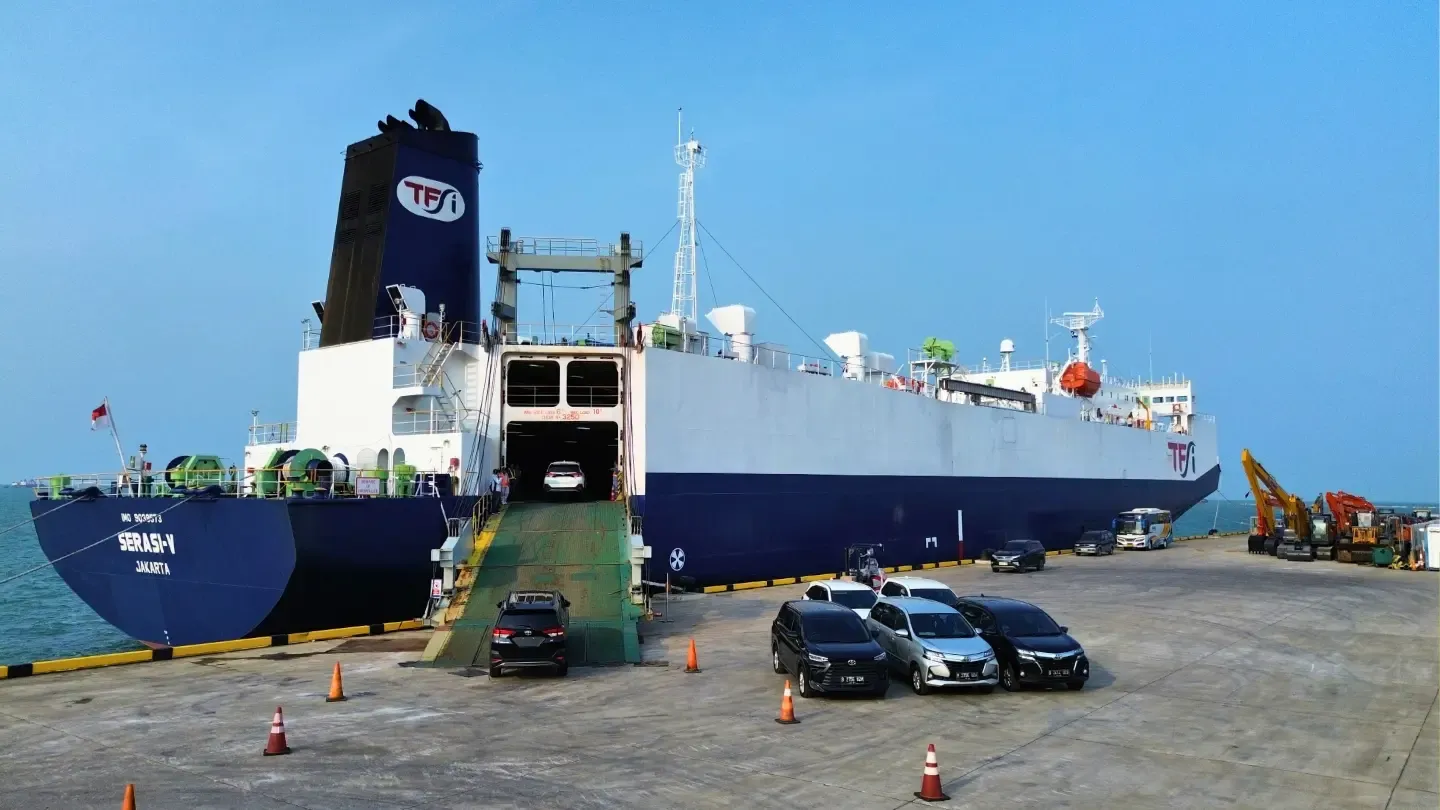
SELOG provides domestic and international freight forwarding services supported by various logistics facilities such as warehouses, a truck fleet, and Ro-Ro vessels to support the entire distribution process.
In addition to freight forwarding services, SELOG also offers a range of comprehensive end-to-end logistics solutions, including:
- Trucking
- Shipping Services
- Warehousing
- Project Cargo
All of these services are supported by digital technologies such as the Astra Fleet Management Solution (AstraFMS) and the Warehouse Management System (WMS), which help improve operational efficiency and provide real-time shipment visibility.
For more information about SELOG’s services, visit the official website at www.selog.astra.co.id and follow SELOG on social media:
- Instagram: @selog_astra
- LinkedIn: SELOG
FAQs About Freight Forwarders
What’s the difference between a freight forwarder and a regular shipping company?
Freight forwarders focus on managing the entire shipping chain, including mode selection, documentation, and coordination among multiple parties. Shipping companies focus solely on transportation.
Are freight forwarders only for international shipments?
No. This service is also used for domestic shipments, including inter-island shipments.
Do freight forwarders handle customs clearance?
Yes, by assisting with preparation or coordinating the process. However, the division of responsibilities must be clearly stated in the agreement and comply with applicable regulations.
What are the common documents handled in shipping?
Invoices, packing lists, bills of lading for sea freight, air waybills for air freight, and other supporting documents.
Is delivery automatically door-to-door?
Not necessarily. Some services deliver to the recipient’s address, while others only go as far as a specific terminal. Be sure to confirm this before agreeing to the terms.
Latest Article
Information & Tips
13 Oktober 2026
5 Main Responsibilities of a Freight Forwarder in the Shipping Process
News
7 Oktober 2026
Types of Logistics Transportation for Goods Distribution and Their Advantages
Information & Tips
5 Oktober 2026
Types of LCT Vessels and Their Uses for Transporting Bulk Cargo
Article Category
Information & Tips
5 Oktober 2026
Types of LCT Vessels and Their Uses for Transporting Bulk Cargo
Information & Tips
28 September 2026
4 Types of Wingbox Trucks for Goods Distribution
Information & Tips
25 September 2026
Tips for Warehouse Management Efficiency

Information & Tips
23 September 2026
Challenges in Medical Device Distribution That Need to Be Anticipated
Information & Tips
21 September 2026
Types of Tronton Trucks and Their Functions

Information & Tips
18 September 2026
Carrying Extra Weight These 10 Truck Parts Must Be Replaced Regularly
Information & Tips
16 September 2026
The Use of the Internet of Things IoT in Logistics Warehouse Management
Information & Tips
15 September 2026
The Vital Role of Distribution Centers as the Heart of Modern Logistics

Information & Tips
11 September 2026
List of the 10 Largest Ports in Indonesia
Information & Tips
9 September 2026
Dwelling Time A Key Factor in Logistics Distribution Efficiency
Make sure you have the latest SELOG and Logistics information updates
Please enter your email to get the latest news or articles from us.