
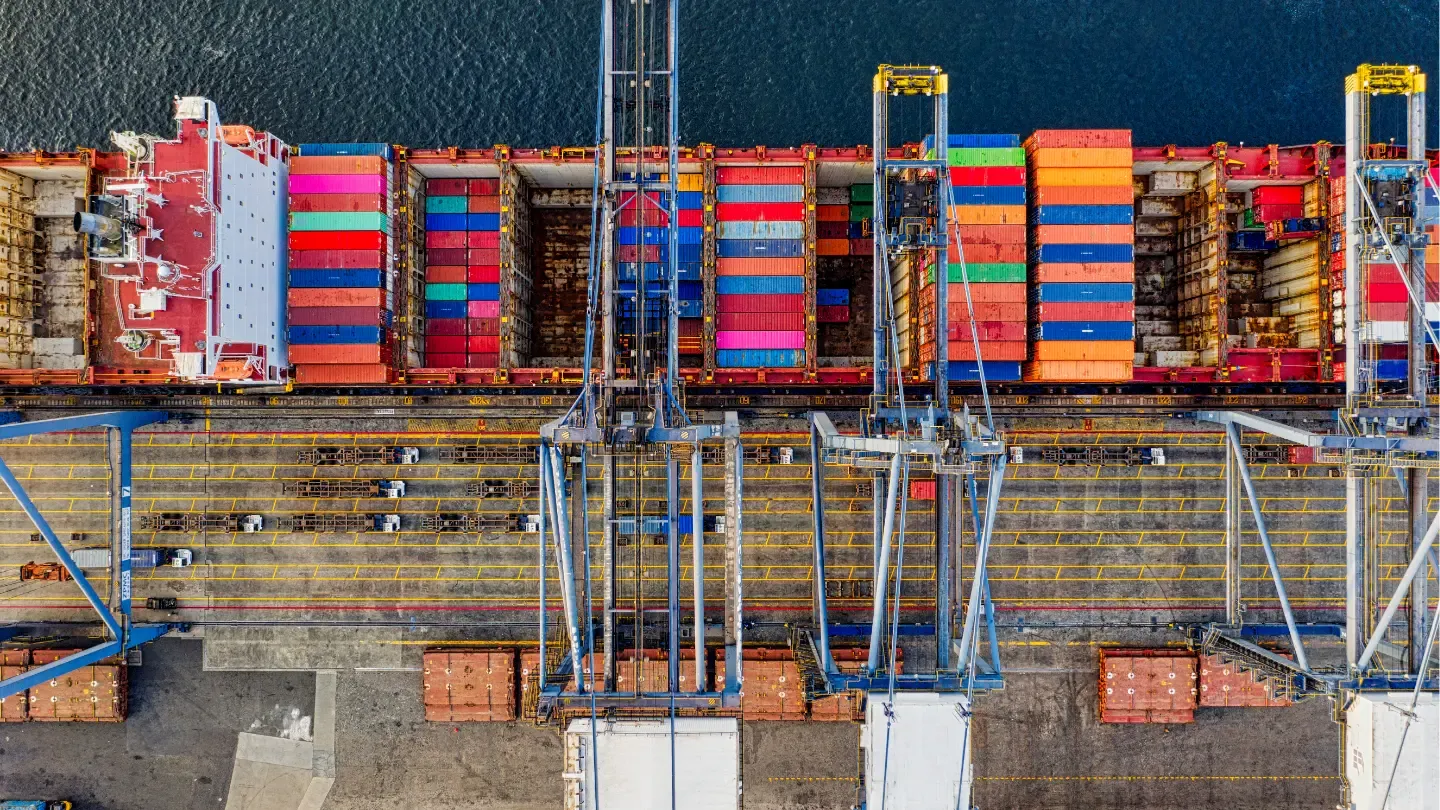
Information & Tips
14 Oktober 2026
Stages of Exporting Goods That Business Owners Should Know
Exporting offers an opportunity to expand into new markets and reach customers overseas. However, selling products to international markets requires more structured and systematic preparation.
For novice exporters, understanding each stage of the export process is essential to ensure that every transaction runs smoothly and with minimal obstacles.
This is because, in practice, exporters need to pay attention to various factors—from finding trading partners or buyers, agreeing on prices and product specifications, to selecting the appropriate mode of transportation.
Moreover, each product may have different requirements, including licensing obligations, certifications, and specific inspections.
4 Stages of the Export Process You Need to Understand
Generally, the export process is divided into four main stages. The order and details may vary depending on the terms of the transaction, payment methods, and the characteristics of the goods being shipped.
1. Sales Contract Process
The first stage is the sales agreement process between the exporter and the importer. Typically, the process begins when a prospective buyer sends an inquiry regarding product information, such as specifications, quality, price, and estimated delivery time.
The exporter then provides a quotation or offer sheet. Once both parties agree, the transaction proceeds with the drafting of a sales contract.
2. L/C Opening Process
If the transaction uses a Letter of Credit (L/C), the next step is to open this payment instrument through a bank.
An L/C is a bank’s commitment to make payment to the exporter if the submitted documents meet the requirements specified therein. This mechanism is crucial for managing payment risks in international trade.
However, it’s important to note that an L/C is not a mandatory payment method for all exports. Both parties may agree on alternative methods, such as prepayment, open account, or documentary collection, depending on the transaction’s needs and risk level.
3. Cargo Shipment Process
Once the transaction agreement and necessary preparations are complete, the process moves on to the cargo shipment stage.
At this stage, the exporter prepares the goods, ensures the packaging meets transportation requirements, and arranges the shipment schedule.
The mode of transportation—by sea or air—depends on the type of goods, volume, destination, cost, and delivery time.
Additionally, the exporter must prepare customs documents, including the Goods Export Declaration (PEB) in accordance with applicable regulations.
Once customs requirements are met and the goods have received export approval, shipment can proceed as scheduled.
4. Shipping Document Negotiation Process
In transactions using a Letter of Credit (L/C), the next step is to submit the documents to the bank for review and processing in accordance with the payment terms.
The required documents include:
- Commercial invoice
- Packing list
- Transportation documents
- Certificate of Origin, as well as
- Special certificates if required by the manufacturer, the destination country, or the L/C
Next, the bank will verify that the documents comply with the L/C requirements. If the documents are in order, payment is processed according to the applicable procedures.
For transactions not using an L/C, the invoicing and payment settlement process follows the method agreed upon by the exporter and importer.
Documents Required for Exporting Goods
Export documents may vary depending on the type of commodity, destination country, payment method, and carrier’s requirements. However, some commonly required documents include:
- Commercial Invoice: Contains sales information, transaction value, and details of the goods
- Packing List: Information regarding the quantity, type, weight, and packaging of the goods
- Transportation documents: These include the Bill of Lading for sea shipments and the Air Waybill for air shipments
- Goods Export Notification (PEB): A customs document for export notification
- Certificate of Origin: Proof of the goods’ origin, if required, to qualify for specific tariff benefits
- Permit and certification documents: Required for certain commodities in accordance with applicable regulations
Before shipping the goods, ensure all documents have been reviewed and the data within them is consistent to help prevent administrative delays.
Tips for a More Efficient Export Process
To ensure your export activities run more smoothly, you can implement the following steps.
- Check the destination country’s regulations. Ensure the goods can be imported and meet all requirements, including prohibitions and restrictions, product standards, and required certifications.
- Prepare the documents early on. Verify the accuracy of the goods’ names, quantities, weights, transaction values, and information on relevant parties.
- Choose the right mode of transportation. Consider the characteristics of the goods, delivery time, costs, and handling requirements.
- Consider cargo insurance. Evaluate your coverage needs based on the value of the goods, the route, the mode of transportation, and the risks involved. Ensure you understand the policy’s coverage and exclusions before shipment.
- Use the right logistics partner. An experienced partner can assist with transportation coordination, document management, and appropriate distribution planning.
More Efficient Export Operations with SELOG Freight Forwarding
International trade requires effective coordination among exporters, carriers, customs authorities, and consignees.
Therefore, using a professional and experienced logistics partner will greatly help you manage each process in a more organized manner.
One logistics company worth considering is SELOG, the logistics division of PT Serasi Autoraya (SERA), which is also part of the Astra Group.
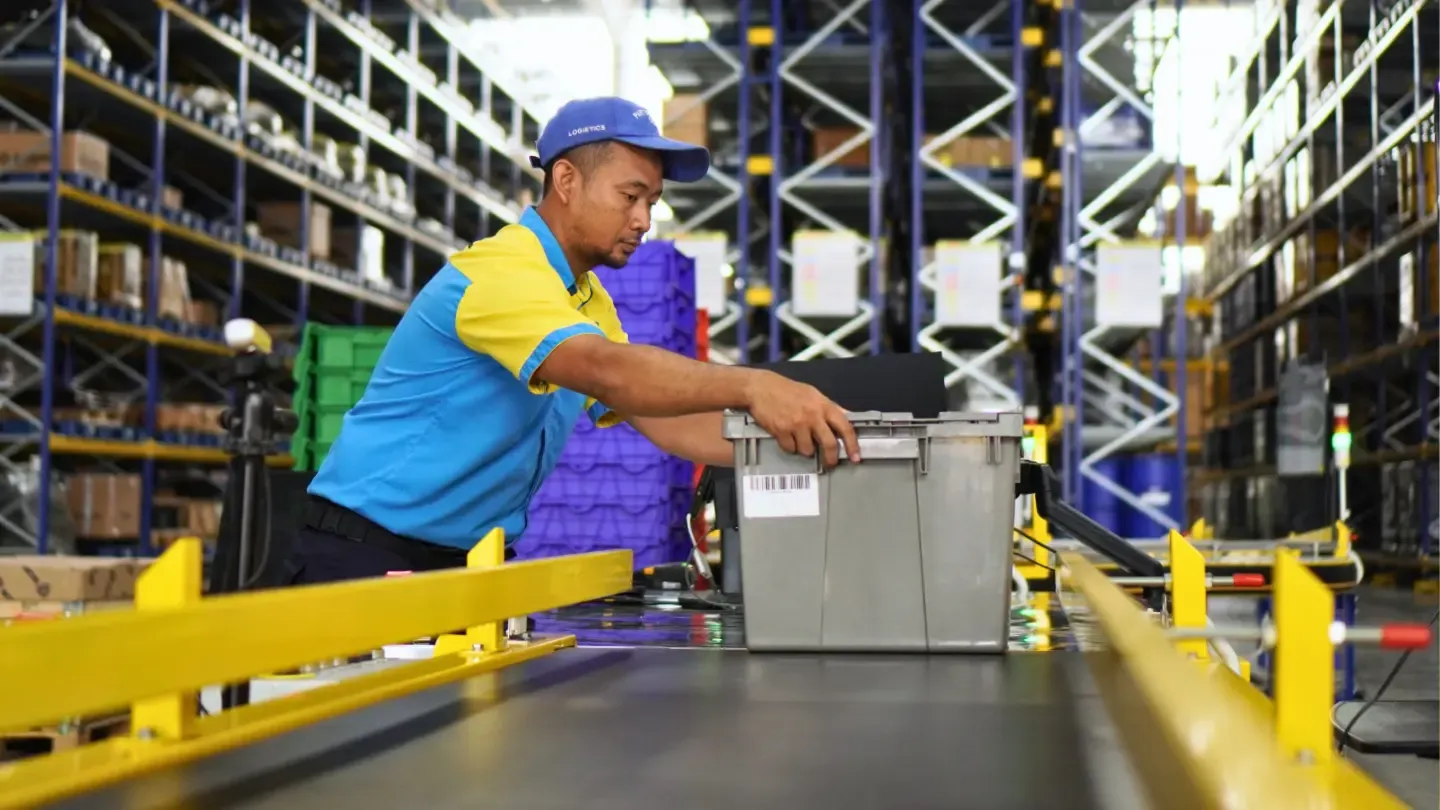
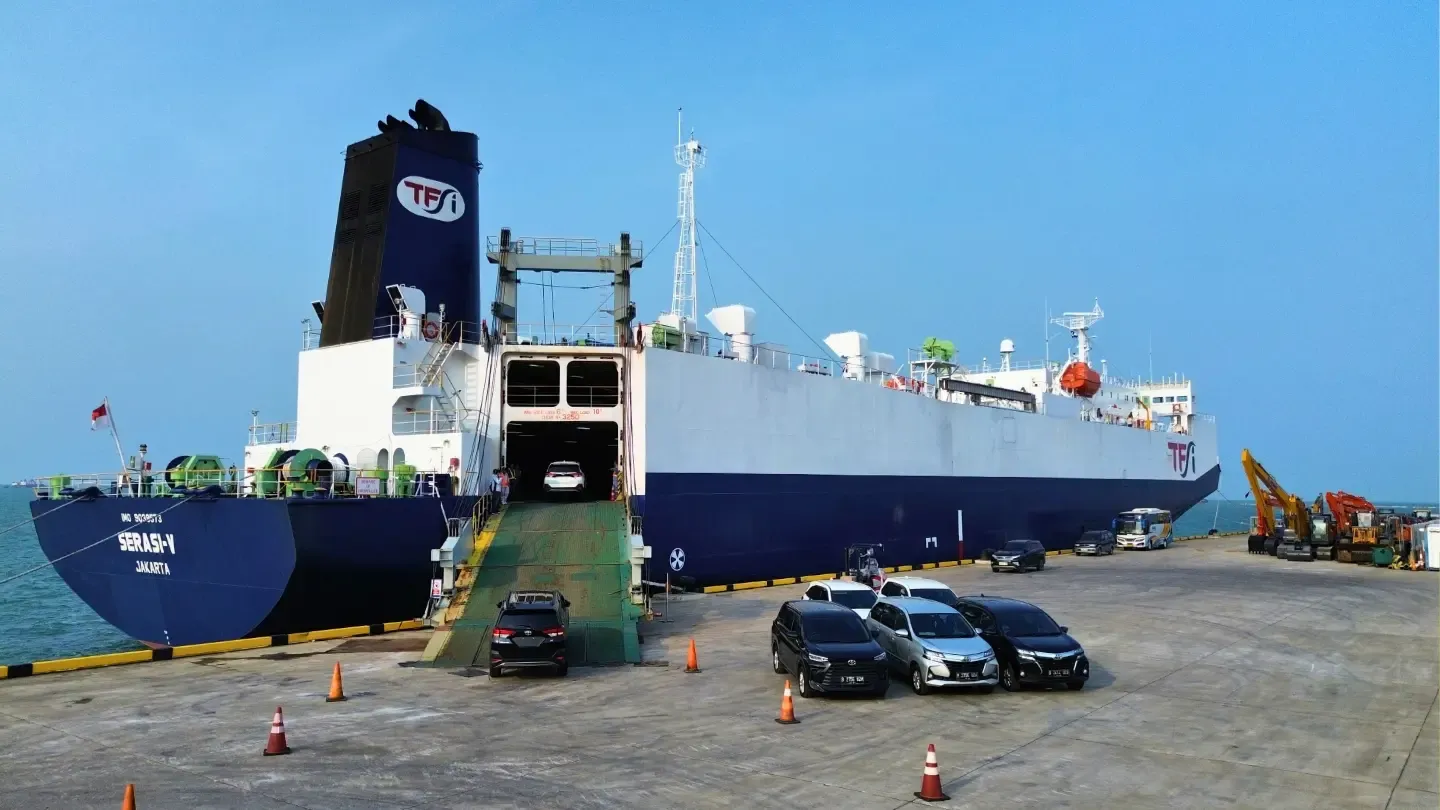
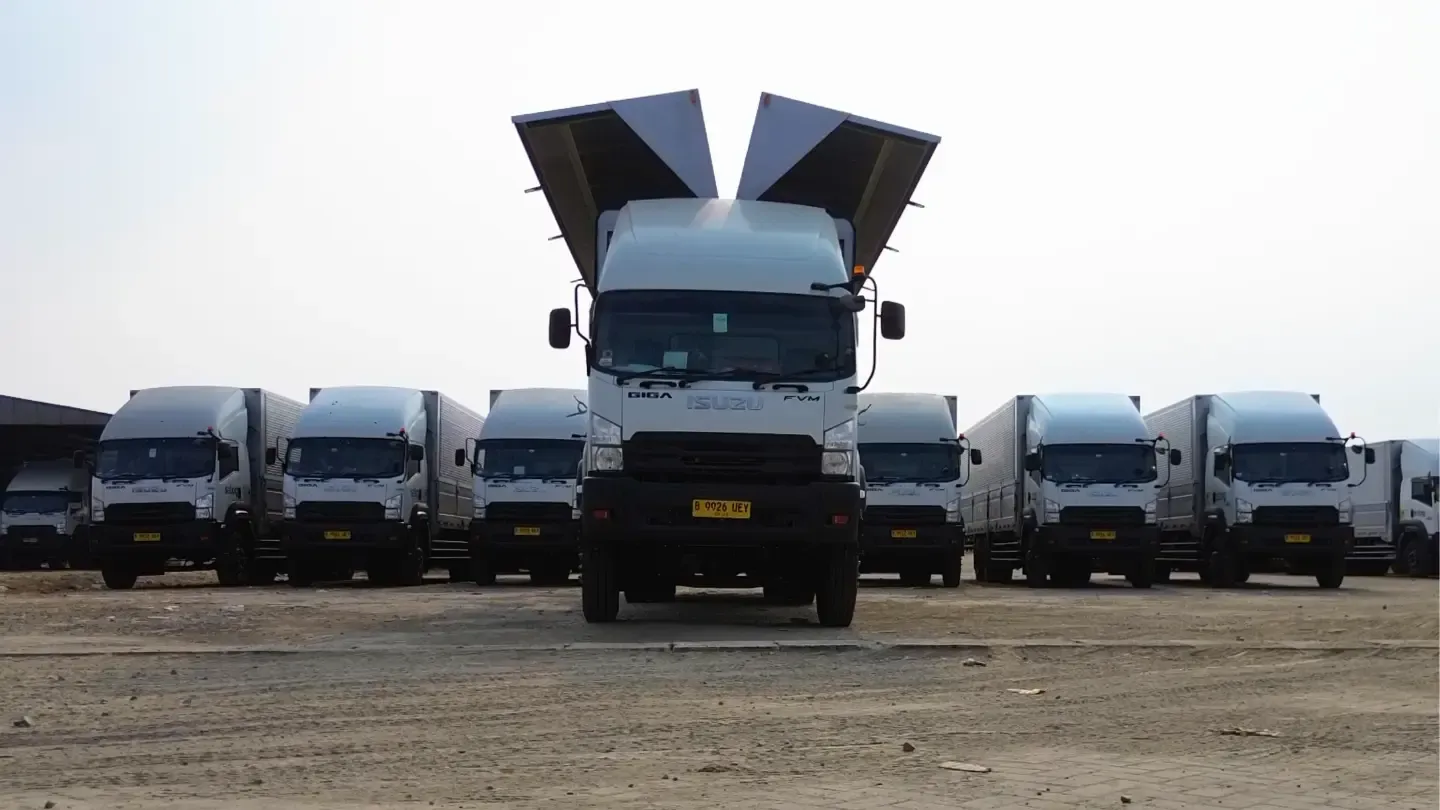
SELOG provides domestic and international freight forwarding services supported by various logistics facilities such as warehouses, a truck fleet, and Ro-Ro vessels to support the entire distribution process.
In addition to freight forwarding services, SELOG also offers a range of comprehensive end-to-end logistics solutions, including:
- Trucking
- Shipping Services
- Warehousing
- Project Cargo
All of these services are supported by digital technologies such as the Astra Fleet Management Solution (AstraFMS) and the Warehouse Management System (WMS), which help improve operational efficiency and provide real-time shipment visibility.
For more information about SELOG’s services, please visit the official website www.selog.astra.co.id and follow SELOG on social media:
- Instagram: @selog_astra
- LinkedIn: SELOG
Latest Article
Information & Tips
28 Oktober 2026
Which Is More Cost-Effective for Import and Export Sea or Air Here Are the Pros and Cons
Information & Tips
26 Oktober 2026
Bill of LadingAn Important Document for Import and Export
Information & Tips
23 Oktober 2026
Warehouse Management Challenges to Anticipate
Article Category
Information & Tips
28 Oktober 2026
Which Is More Cost-Effective for Import and Export Sea or Air Here Are the Pros and Cons
Information & Tips
26 Oktober 2026
Bill of LadingAn Important Document for Import and Export
Information & Tips
23 Oktober 2026
Warehouse Management Challenges to Anticipate
Information & Tips
21 Oktober 2026
Understanding Inbound Outbound in Inventory Management

Information & Tips
19 Oktober 2026
Understanding Truck Components, from the Engine to the Tires
Information & Tips
News
16 Oktober 2026
Advantages of Wingbox Trucks Over Other Types of Trucks for Goods Delivery
Information & Tips
13 Oktober 2026
5 Main Responsibilities of a Freight Forwarder in the Shipping Process

Information & Tips
5 Oktober 2026
Types of LCT Vessels and Their Uses for Transporting Bulk Cargo
Information & Tips
28 September 2026
4 Types of Wingbox Trucks for Goods Distribution

Information & Tips
25 September 2026
Tips for Warehouse Management Efficiency
Make sure you have the latest SELOG and Logistics information updates
Please enter your email to get the latest news or articles from us.