
Information & Tips
19 Oktober 2026
Understanding Truck Components, from the Engine to the Tires
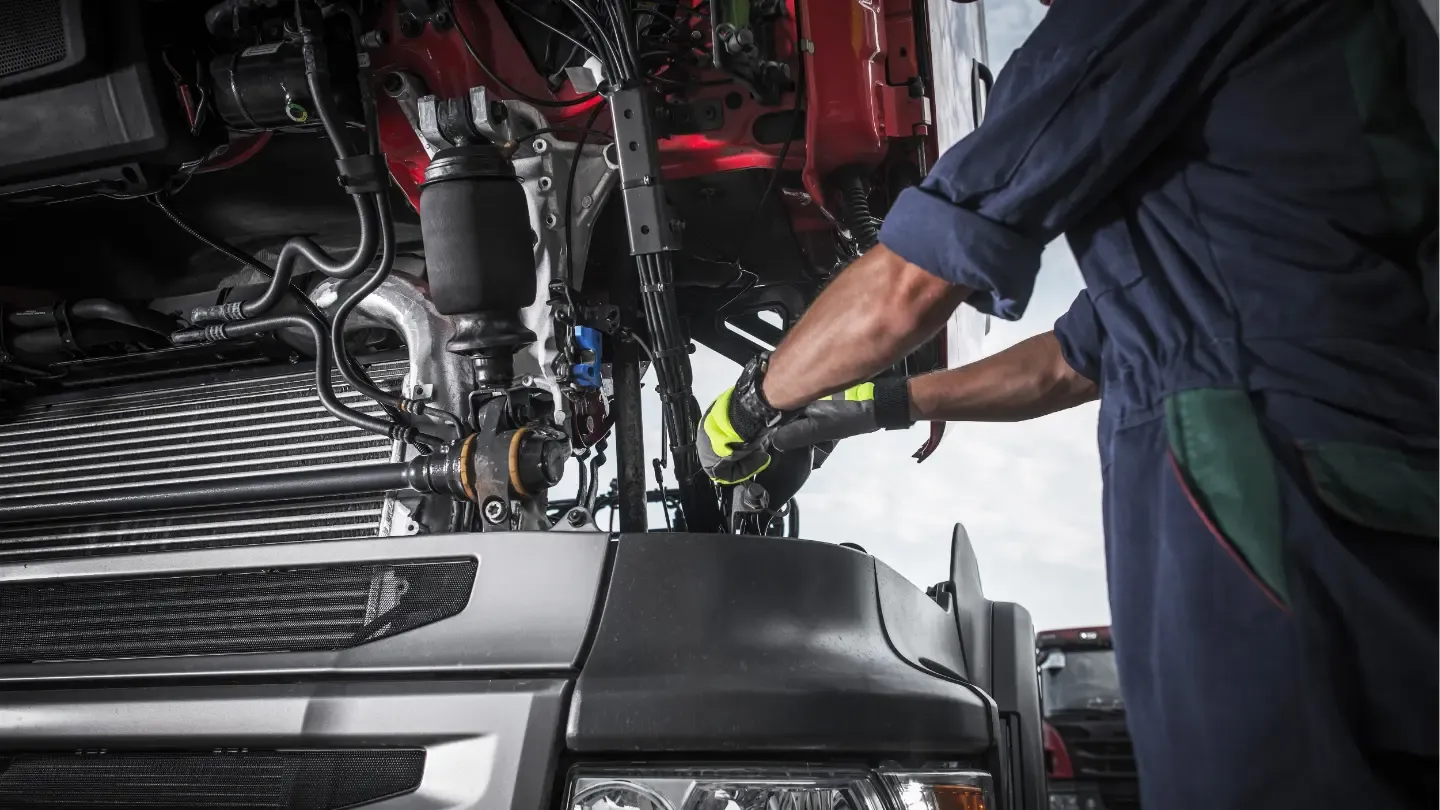
A truck can carry tons of cargo because of the many components working hard inside it. There are at least 10 main components, ranging from the engine to the tires.
This article will discuss the functions and maintenance tips for each component. That way, you can properly maintain your fleet to ensure the smooth distribution of goods.
Trucks Remain the Mainstay of Logistics Distribution
Just look around you—from foodstuffs and construction materials to online shopping packages. Almost everything has traveled by truck before reaching your hands.
Especially in an archipelago like Indonesia, trucks serve as a vital link between factories, warehouses, ports, and stores, keeping the supply chain moving.
So, what makes trucks so reliable? There are four main reasons:
- Flexibility. Trucks can deliver goods door-to-door without frequent mode-of-transport transfers
- Variety of types. There are trucks with open beds, enclosed boxes, tanks, and even tractor heads, so they can be tailored to the type of cargo
- Large capacity. In a single trip, a single truck can transport a large volume of cargo
- Wide reach. Trucks can access industrial zones as well as areas not served by other modes of transportation
However, all these advantages are only fully realized when the truck is in top condition. Therefore, it’s important to ensure that every component functions optimally.
10 Key Truck Components and Their Functions
1. Engine
Much like the human body, the engine is the heart of the truck. Most trucks use diesel engines because they can produce high torque at low RPMs, which is ideal for hauling heavy loads and climbing hills smoothly.
To maintain peak performance, change the oil and filter according to the manufacturer’s recommended schedule.
2. Frame and Chassis
If the engine is the heart, the frame is the skeleton that supports the weight of the truck and its cargo.
The frame or chassis acts as a platform on which the engine, transmission, suspension, and wheels are mounted. Consequently, its strength determines the truck’s durability on roads that aren’t always smooth.
3. Transmission
Engine power isn’t transmitted directly to the wheels. The transmission regulates it through gear shifts, allowing the truck to move from a standstill while fully loaded and maintain stable speed. Just like passenger cars, truck transmissions come in two types: manual and automatic.
4. Suspension
This component absorbs shocks from the road surface and keeps the load stable.
Most trucks use sturdy leaf springs designed for heavy loads. However, some also use air suspension for improved comfort.
5. Drivetrain
The drivetrain receives rotation from the transmission via the driveshaft and transmits it to the drive wheels. Inside is a differential that allows the left and right wheels to rotate at different speeds when the truck is turning.
6. Braking System
A fully loaded truck can weigh anywhere from a dozen to several dozen metric tons, so its braking system must be reliable. Therefore, make sure the brake pads are always in good condition.
However, on large trucks, in addition to drum and disc brakes, another commonly used braking system is the air brake, which is operated by compressed air.
7. Steering System
The steering wheel, steering column, steering gearbox, and tie rods work together to convert the rotation of the steering wheel into the direction of the front wheels.
Today, many modern trucks are equipped with power steering, making the steering feel lighter, especially when maneuvering in tight spaces.
8. Electrical and Lighting Systems
The battery, alternator, and starter motor are key components of a vehicle’s electrical system—and trucks are no exception. Their function is to start the engine and power various other devices.
Meanwhile, headlights, brake lights, and turn signals ensure visibility while signaling other road users, especially during nighttime travel.
9. Cooling System
A truck’s engine generates a lot of heat while running. The cooling system—including the radiator, fan, water pump, and thermostat—works to maintain an ideal temperature to prevent the engine from overheating, especially when climbing hills with a full load.
So, make it a habit to check the radiator fluid level regularly. Ensure the level does not fall below the minimum mark.
10. Tires
Tires are the only components that come into direct contact with the road, so they affect traction, stability, and even fuel consumption. Choose the right tire size and type based on your load and terrain. Also, maintain proper tire pressure and tread depth.
Smooth Distribution with SELOG
Understanding truck components certainly helps you maintain your vehicle, but managing your own fleet is time-consuming and energy-intensive. If you want to focus on your core business, simply leave shipping and distribution to the experts.
One logistics company worth considering is SELOG. A business unit of PT Serasi Autoraya (SERA)—which is also part of the Astra Group—with over 20 years of experience in the logistics industry.
SELOG offers key trucking services that provide shipping solutions to various locations. These include:
- Last Mile Delivery for deliveries directly to customers
- Long Haul for inter-city and inter-island distribution
- Less Than Truckload (LTL) for small-volume shipments
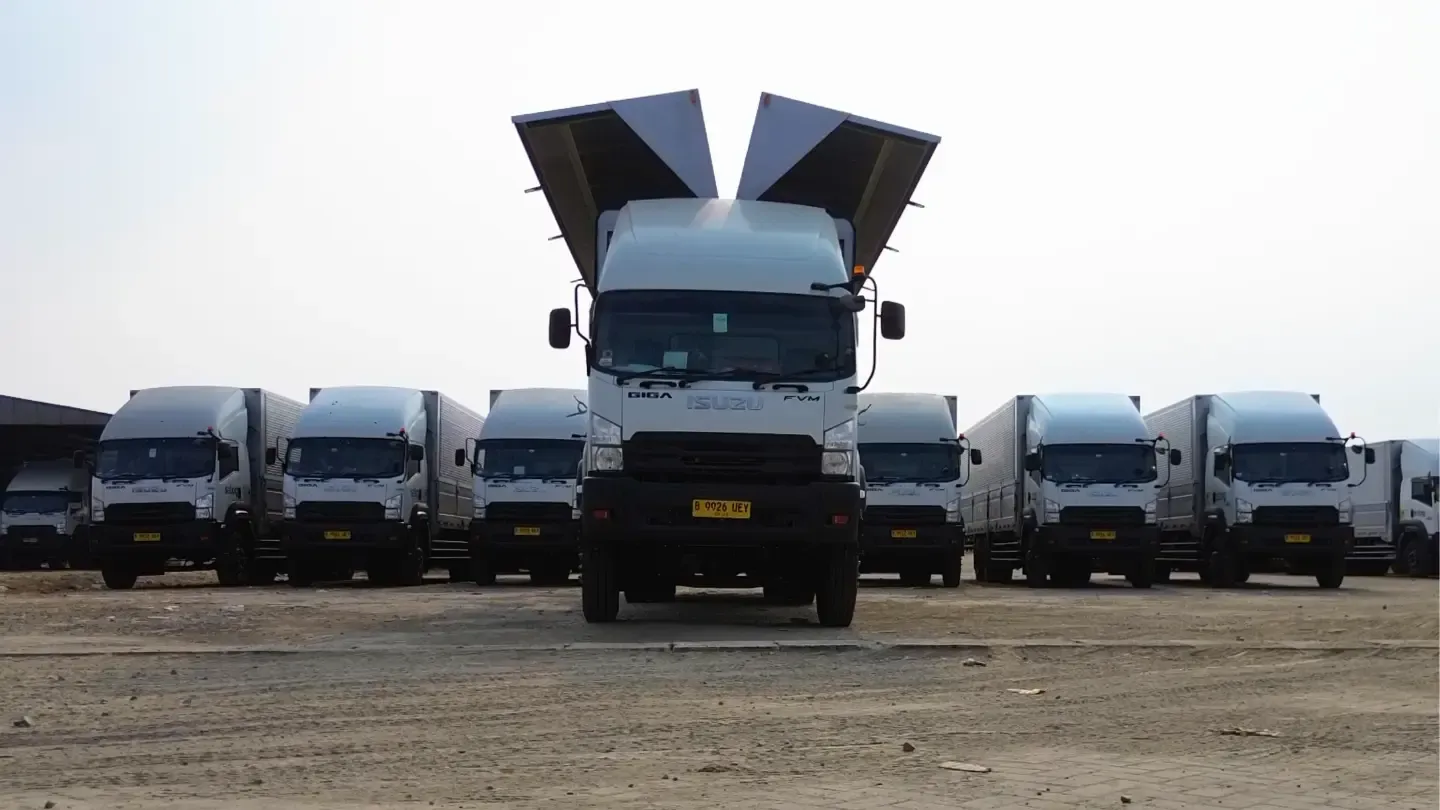
SELOG maintains a comprehensive fleet ranging from blind vans and CDE trucks to wingbox trucks. It is also supported by the digital technology Astra Fleet Management Solution (AstraFMS) to monitor fleet mobility in real time.
In addition to trucking, SELOG also provides a variety of other logistics services, including shipping, freight forwarding, warehousing, and project cargo.
For more information about SELOG’s services, visit the official website at www.selog.astra.co.id and follow SELOG on social media:
- Instagram: @selog_astra
- LinkedIn: SELOG
Latest Article

Information & Tips
28 Oktober 2026
Which Is More Cost-Effective for Import and Export Sea or Air Here Are the Pros and Cons

Information & Tips
26 Oktober 2026
Bill of LadingAn Important Document for Import and Export

Information & Tips
23 Oktober 2026
Warehouse Management Challenges to Anticipate
Article Category
Information & Tips
28 Oktober 2026
Which Is More Cost-Effective for Import and Export Sea or Air Here Are the Pros and Cons
Information & Tips
26 Oktober 2026
Bill of LadingAn Important Document for Import and Export
Information & Tips
23 Oktober 2026
Warehouse Management Challenges to Anticipate
Information & Tips
21 Oktober 2026
Understanding Inbound Outbound in Inventory Management
Information & Tips
News
16 Oktober 2026
Advantages of Wingbox Trucks Over Other Types of Trucks for Goods Delivery

Information & Tips
14 Oktober 2026
Stages of Exporting Goods That Business Owners Should Know
Information & Tips
13 Oktober 2026
5 Main Responsibilities of a Freight Forwarder in the Shipping Process

Information & Tips
5 Oktober 2026
Types of LCT Vessels and Their Uses for Transporting Bulk Cargo
Information & Tips
28 September 2026
4 Types of Wingbox Trucks for Goods Distribution

Information & Tips
25 September 2026
Tips for Warehouse Management Efficiency
Make sure you have the latest SELOG and Logistics information updates
Please enter your email to get the latest news or articles from us.