
Information & Tips
20 November 2026
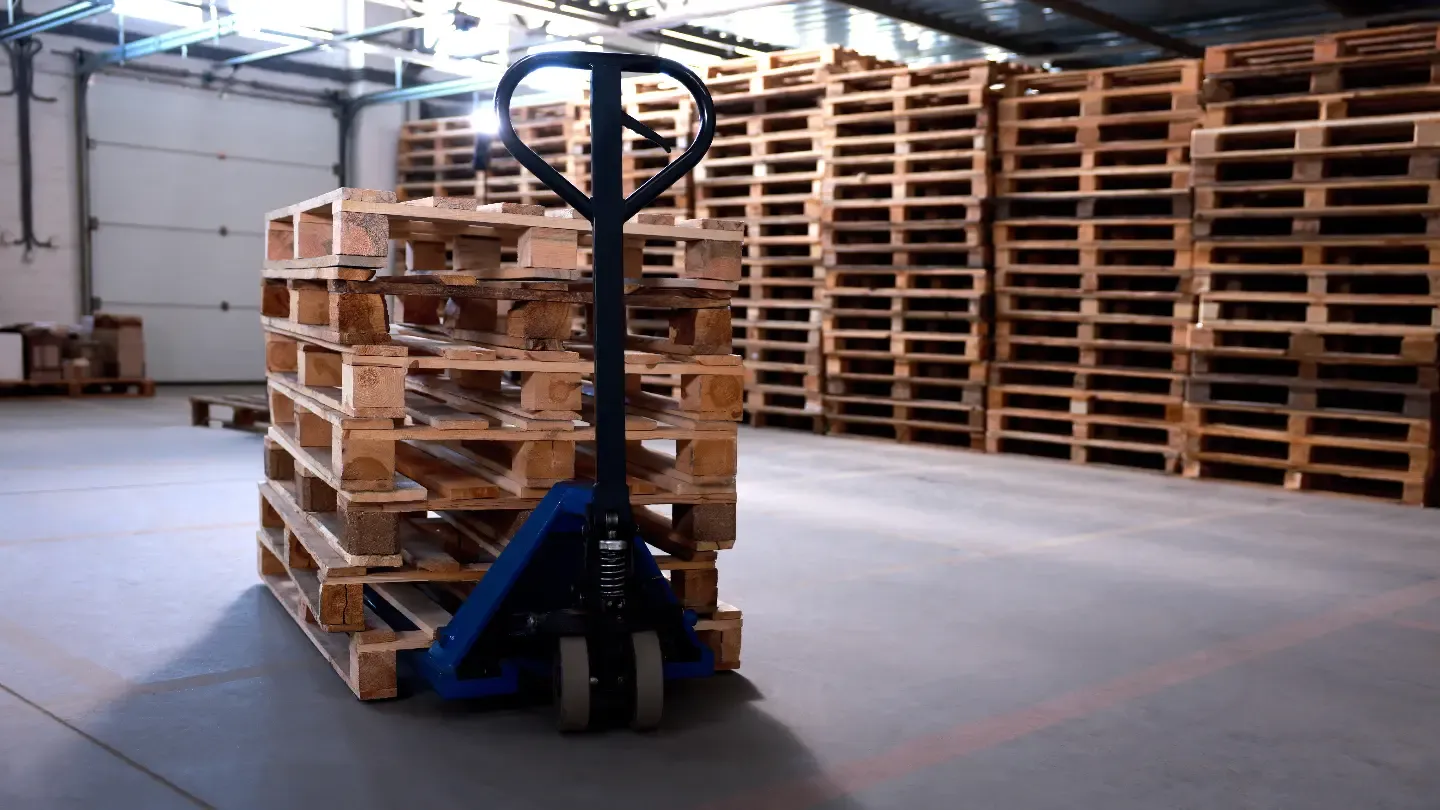
Practical Tips for Stacking Goods on Pallets for Safe Shipping
Safe pallet stacking is based on four key principles: using a suitable pallet, arranging goods evenly with the heaviest items at the bottom, securing the load tightly with stretch film, and providing clear labeling.
Apply all four of these principles before goods are shipped via trucking services or stored in a warehouse to minimize the risk of goods shifting, getting dented, or damaged.
5 Ways to Stack Goods on Pallets
1. Choose the Right Pallet
There are two commonly used types of pallets: wooden pallets and plastic pallets, which are more moisture-resistant. Most importantly, the pallet’s size must match the dimensions of the boxes and the loading space.
Ensure the load capacity exceeds the weight of the cargo, and do not use pallets with cracks or loose boards.
For exports, wooden pallets must comply with ISPM 15 standards. The mark consists of the HT (heat treatment) code, indicating the wood was heated until its core reached at least 56 °C for 30 minutes, followed by a stamp containing the IPPC symbol, country code, manufacturer code, and treatment code.
2. Prepare the Boxes
Fill the boxes completely to prevent the contents from shifting, then seal them tightly. Avoid dented or damp boxes, as their load-bearing capacity is reduced.
- Stack Properly
Here are several steps for stacking goods on a pallet to ensure safer shipping.
- Place heavy items at the bottom and light ones on top
- Distribute the load evenly, and fill the bottom layer without gaps
- Ensure no boxes protrude beyond the pallet’s edges
- Adjust the stacking pattern to the load. A circular pattern from the edge inward provides maximum stacking strength, while a bricklayer pattern adds stability
- Create a level top surface so the pallet can be stacked
4. Secure the Load
Wrap stretch film from the bottom of the pallet all the way to the top, covering the peak. Apply at least 3 layers and tighten securely without damaging the boxes. For heavy or unevenly distributed loads, add strapping or corner boards.
For pallets taller than 1.2 times the width of their base or with many gaps, additional reinforcement is recommended. Ensure LTL shipping pallets are always wrapped, as they will change hands more frequently.
5. Label
Finally, attach a label indicating the destination, contents, and weight to a clearly visible side of the pallet, as well as to the side if the pallet will be stacked. Add handling instructions such as fragile or this side up if needed.
Additionally, avoid the following mistakes:
- Exceeding the capacity of the pallet or vehicle. Overloading also violates traffic regulations
- Loose wrapping that allows the load to shift easily
- Using damaged pallets
- Placing fragile items on the bottom layer
Why Are Pallets Important?
Pallets allow dozens of boxes to be transported at once easily using a forklift or pallet jack, making the loading and unloading process faster than having to move them manually one by one.
Additionally, their uniform shape facilitates stacking and storage upon arrival at the destination. This reduces the risk of damage caused by frequent handling.
SELOG Trucking: Optimizing Freight Delivery with Pallets
In addition to the proper use of pallets, the selection of the transport fleet is also critical to ensuring the safety of goods during shipment.
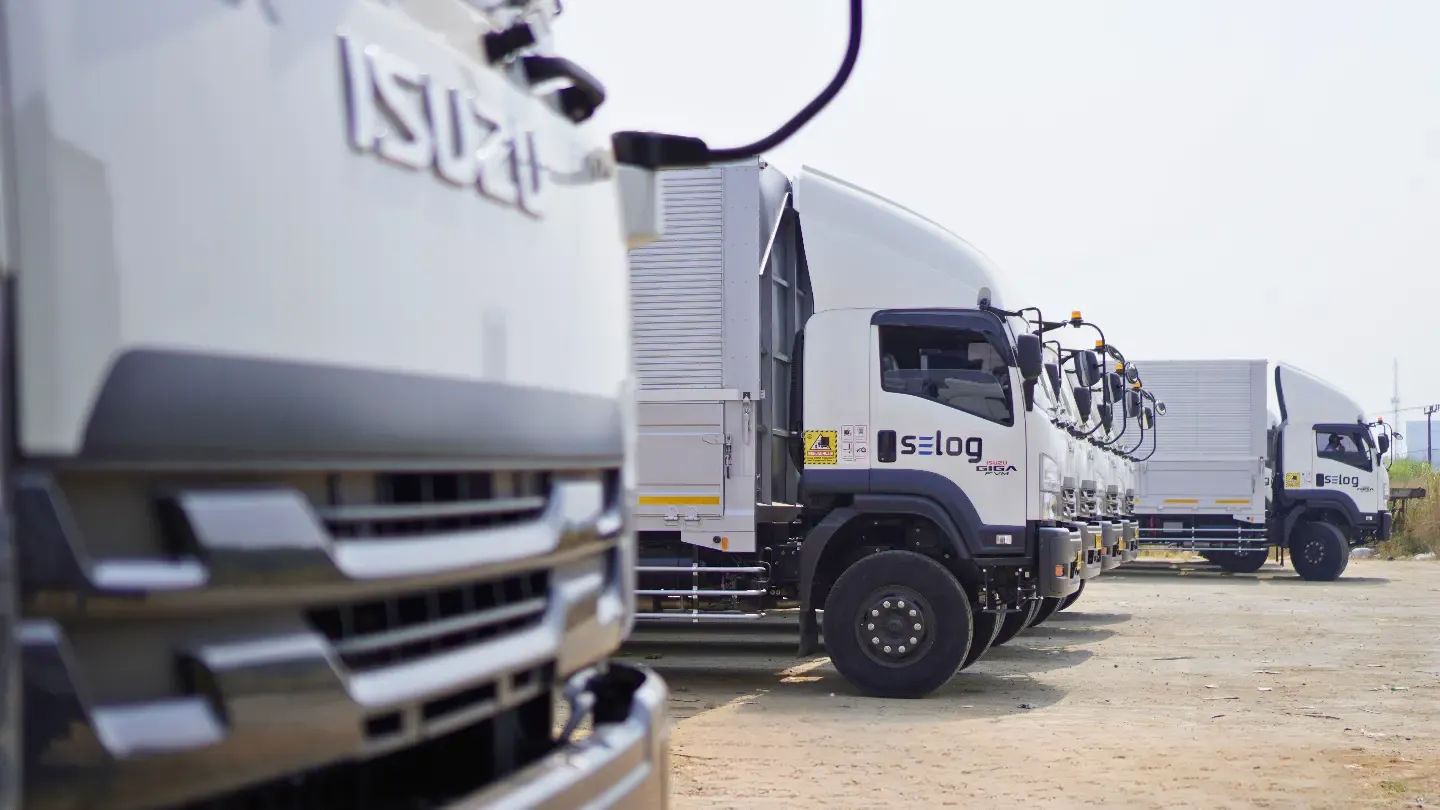
Pallet volume must be adjusted to the capacity of the vehicles in the fleet, whether box vans, CDE trucks, or Wingbox trucks. This ensures goods arrive safely at their destination and shipping costs are optimized.
SELOG offers trucking services to support goods distribution needs with a fleet selection that can be tailored to specific requirements.
The logistics business unit of PT Serasi Autoraya (SERA)—which is also part of the Astra Group—has over 20 years of experience providing a comprehensive range of logistics services.
SELOG offers key trucking services that serve as shipping solutions to various locations. These include:
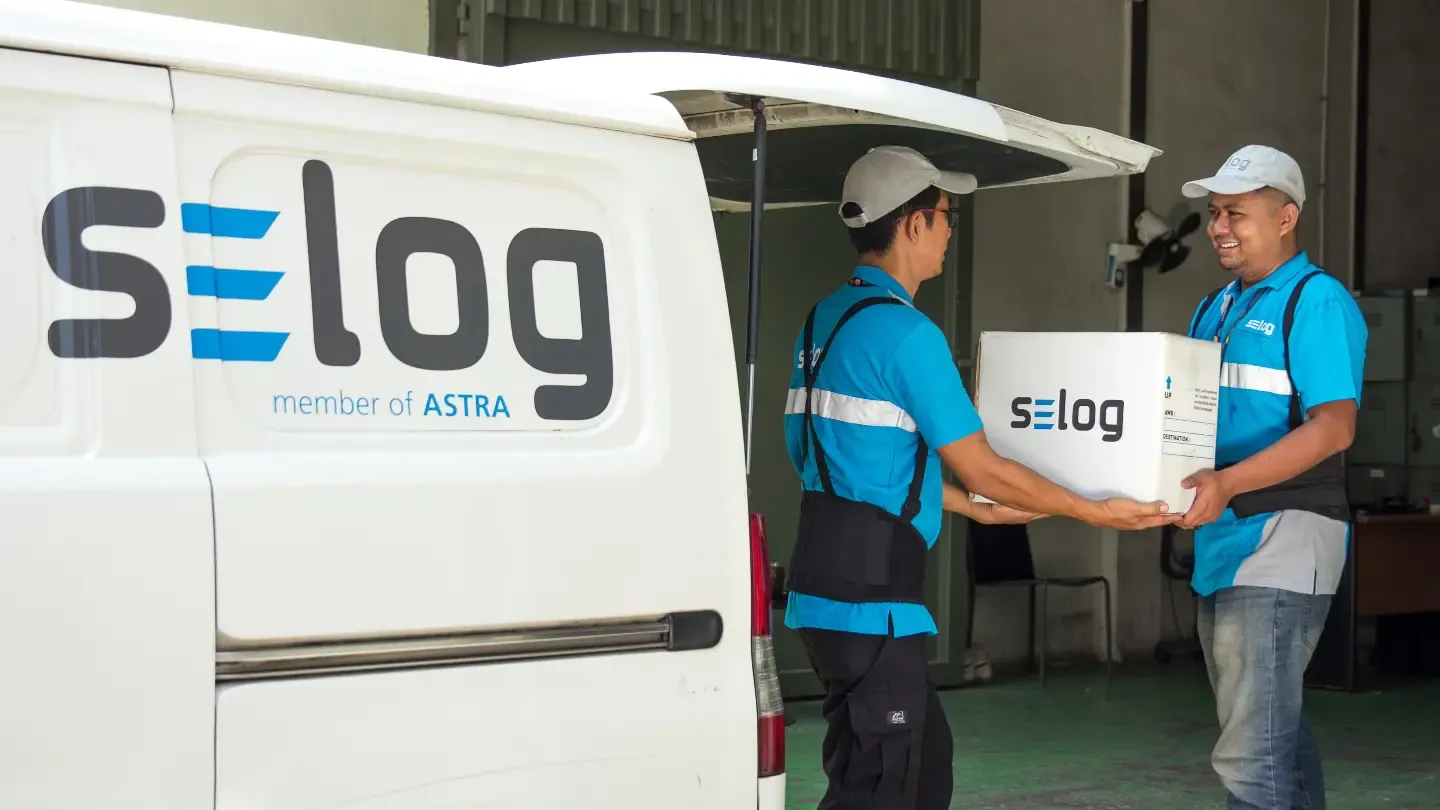
- Last Mile Delivery for deliveries directly to customers
- Long Haul for inter-city and inter-island distribution
- Less Than Truckload (LTL) for small-volume shipments
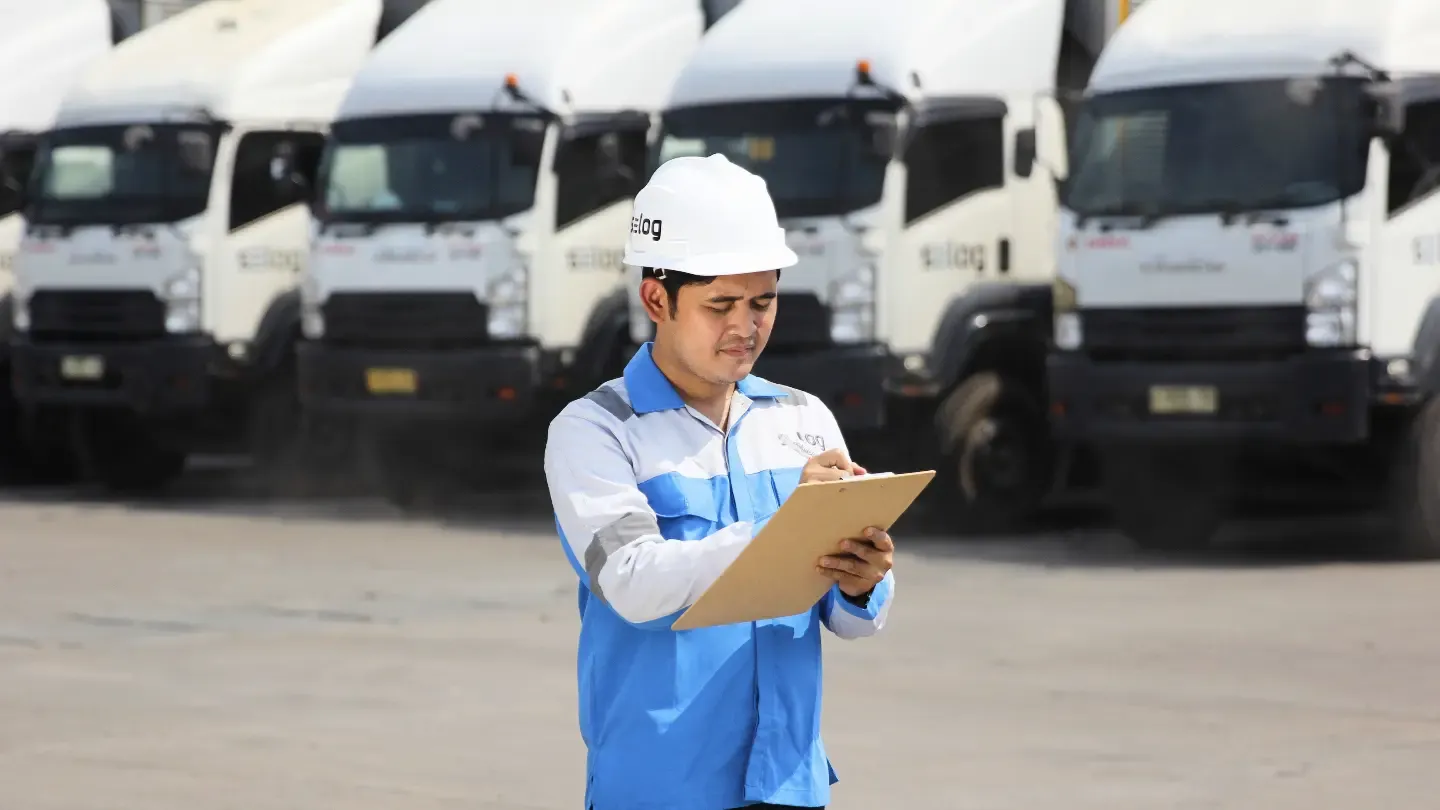
SELOG’s truck fleet is comprehensive, ranging from Blind Vans, CDE Trucks, CDD Long Trucks, to Wingbox Trucks. It is also supported by the digital technology of the Astra Fleet Management Solution (AstraFMS) to monitor fleet mobility in real-time.
In addition to trucking, SELOG also provides a variety of other end-to-end logistics services, including shipping, freight forwarding, warehousing, and project cargo.
For more information about SELOG’s services, visit the website www.selog.astra.co.id or call (021) 26605333. Also, follow SELOG’s official social media accounts.
- Instagram: @selog_astra
- LinkedIn: SELOG
Latest Article
Information & Tips
20 November 2026
Practical Tips for Stacking Goods on Pallets for Safe Shipping
Information & Tips
18 November 2026
Understanding SMK PAU and How to Assess Safety Standards in the Trucking Industry
Information & Tips
16 November 2026
Tips for Managing Your Delivery Schedule to Keep Operations Running Smoothly During the Christmas an
Article Category
Information & Tips
18 November 2026
Understanding SMK PAU and How to Assess Safety Standards in the Trucking Industry
Information & Tips
16 November 2026
Tips for Managing Your Delivery Schedule to Keep Operations Running Smoothly During the Christmas an

Information & Tips
13 November 2026
Fleet Management System for Trucks More Than Just GPS Tracking

Information & Tips
11 November 2026
Types of Shipping Documents You Need to Know
Information & Tips
9 November 2026
How to Calculate Truck Shipping Costs
Information & Tips
6 November 2026
Understanding FIFO, FEFO, and LIFO Inventory Issuance Methods in Warehouses

Information & Tips
4 November 2026
20-feet, 40-feet, and 40 HC Container Sizes Which One Is Right for You
Information & Tips
3 November 2026
Warehouse Layout Tips for Faster and More Efficient Picking

Information & Tips
28 Oktober 2026
Which Is More Cost-Effective for Import and Export Sea or Air Here Are the Pros and Cons
Information & Tips
26 Oktober 2026
Bill of LadingAn Important Document for Import and Export
Make sure you have the latest SELOG and Logistics information updates
Please enter your email to get the latest news or articles from us.