
Information & Tips
21 Agustus 2026
The Difference Between a Wharf and a Port Dont Confuse the Two
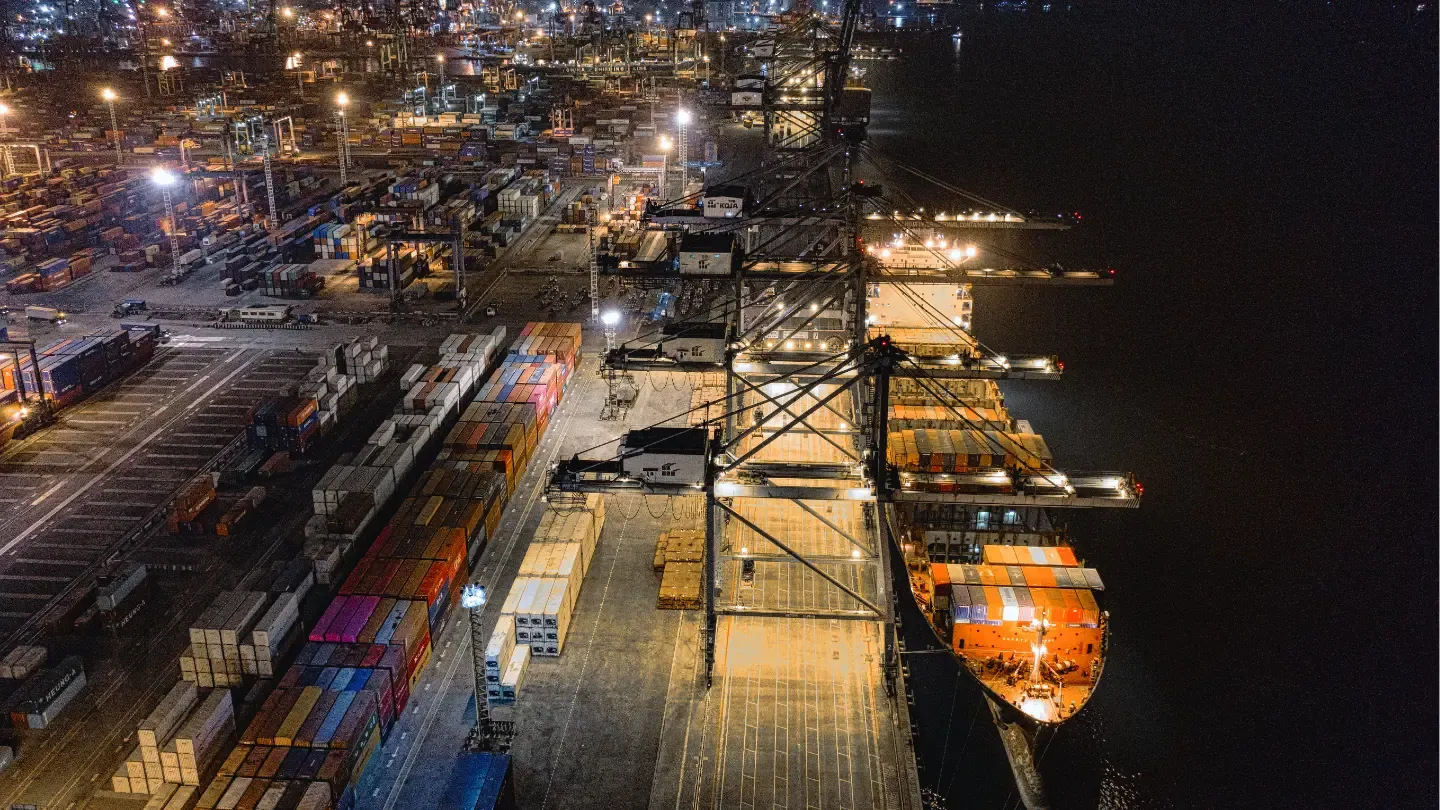
In logistics, the terms “wharf” and “port” are frequently used. However, many people assume they are the same, even though they have different scopes and functions.
Simply put, a wharf is a part of a port facility used by ships to dock and carry out loading and unloading activities.
Meanwhile, a port covers a much larger area because it includes various facilities and services, one of which is a wharf.
What Is a Wharf?
A wharf is a location or infrastructure along the waterfront where ships dock. This facility serves as a key point for passenger boarding and disembarkation, as well as for loading and unloading cargo.
The design of a wharf can be tailored to the characteristics of the ship, water conditions, and the type of cargo being handled.
For example, the requirements for a wharf serving vehicle-carrying ships are certainly different from those for facilities handling bulk cargo, such as vegetable oil.
What Is a Port?
A port is a larger area. It encompasses both water and land, along with supporting facilities used for ship operations, loading and unloading cargo, passenger embarkation and disembarkation, and intermodal transportation.
A port may contain one or more docks. It may also include facilities such as terminals, storage areas, warehouses, and other loading and unloading facilities.
Because of its broader scope, a port serves as a critical hub in the supply chain and maritime transportation network.
Primary Functions of a Wharf
Some of the primary functions of a wharf include:
- A place for ships to dock while operating in the port
- Supporting the loading and unloading of cargo from ships to land and vice versa
- For wharves serving passenger ships, facilities are available for passenger boarding and disembarkation
- A transfer point for goods from maritime to land-based transportation modes
For logistics operations, the design and capacity of the wharf must be tailored to the type of vessel and the characteristics of the cargo being handled.
Primary Functions of a Port
Given its broader scope, a port serves several important functions, such as:
- A place where ships arrive and depart to carry out maritime transportation activities
- A hub for the loading and unloading of large volumes of cargo
- A modal transfer hub, for example, from ships to trucks
- A temporary storage facility before goods are distributed
- Supporting trade activities, both domestic and international
In the supply chain for commodities such as palm oil, the presence of a port supported by adequate facilities can help make the distribution process more organized.
Types of Docks
Based on their shape and use, docks can be classified into several types, including:
Wharf
A wharf is built parallel to the shoreline and allows ships to dock along its side.
Pier
Unlike a wharf, a pier extends into the water so that ships can dock alongside the structure.
Jetty
It features a structure extending from the shore into the water and is often used for specific purposes, such as for tankers or industrial applications
Types of Ports
Ports can also be classified based on their functions and uses. Some of these include:
- Cargo ports: Focus on the loading and unloading of various types of commodities
- Passenger ports: Serve the transportation of people by ship
- Fishing ports: Support the activities of fishing vessels and their catches
- Specialized ports: For specific activities or needs, including certain industries and commodities.
- Cargo ports: Focus on handling the loading and unloading of containers, bulk cargo, and liquids.
- International ports: Handle vessel and cargo traffic in international trade
Shipping SELOG: Maritime Logistics Solutions
The difference between a wharf and a port is indeed simple. However, understanding both is crucial when planning distribution activities via sea routes.
To ensure greater efficiency in every process, partnering with the right provider can also be a solution. One logistics company worth considering is SELOG, a subsidiary of PT Serasi Autoraya (SERA), which is also part of the Astra Group.
With over 20 years of experience in the logistics industry, SELOG is here to meet the need for end-to-end logistics services, ranging from trucking, shipping, freight forwarding, warehousing, to project cargo.
SELOG’s shipping services are available in two options: shipping services and shipping agency, which can accommodate both domestic and international shipments
These services offer several advantages, including monthly shipment scheduling to manage vessel schedules, 24-hour vessel operations monitoring, and structural design, materials, and ramp door widths capable of withstanding heavy cargo loads.
Additionally, SELOG’s services are supported by the Astra Fleet Management Solution (AstraFMS), a digital technology that not only simplifies operations but also enhances business effectiveness and efficiency.
For more information about SELOG’s services, visit the website www.selog.astra.co.id or call (021) 26605333. Also, follow SELOG’s official social media accounts.
- Instagram: @selog_astra
- LinkedIn: SELOG
Latest Article

Information & Tips
20 November 2026
Practical Tips for Stacking Goods on Pallets for Safe Shipping

Information & Tips
18 November 2026
Understanding SMK PAU and How to Assess Safety Standards in the Trucking Industry

Information & Tips
16 November 2026
Tips for Managing Your Delivery Schedule to Keep Operations Running Smoothly During the Christmas an
Article Category
Information & Tips
20 November 2026
Practical Tips for Stacking Goods on Pallets for Safe Shipping
Information & Tips
18 November 2026
Understanding SMK PAU and How to Assess Safety Standards in the Trucking Industry
Information & Tips
16 November 2026
Tips for Managing Your Delivery Schedule to Keep Operations Running Smoothly During the Christmas an

Information & Tips
13 November 2026
Fleet Management System for Trucks More Than Just GPS Tracking

Information & Tips
11 November 2026
Types of Shipping Documents You Need to Know

Information & Tips
9 November 2026
How to Calculate Truck Shipping Costs
Information & Tips
6 November 2026
Understanding FIFO, FEFO, and LIFO Inventory Issuance Methods in Warehouses
Information & Tips
4 November 2026
20-feet, 40-feet, and 40 HC Container Sizes Which One Is Right for You
Information & Tips
3 November 2026
Warehouse Layout Tips for Faster and More Efficient Picking

Information & Tips
28 Oktober 2026
Which Is More Cost-Effective for Import and Export Sea or Air Here Are the Pros and Cons
Make sure you have the latest SELOG and Logistics information updates
Please enter your email to get the latest news or articles from us.