
Information & Tips
7 September 2026
Understanding Dry Ports A Solution to Congestion at Major Ports
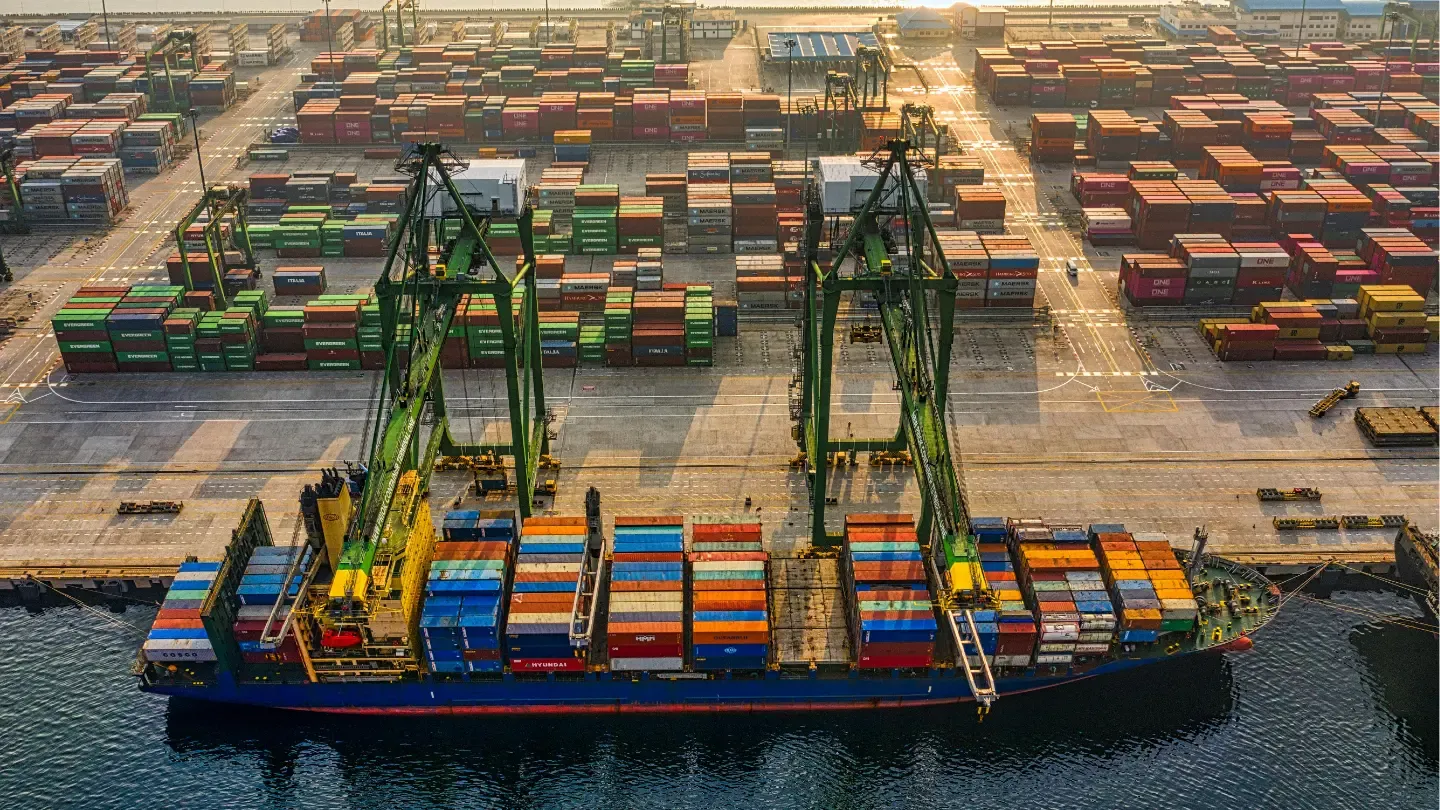
The continuous growth in trade activity has led to an increasing flow of goods through ports. This situation clearly poses a unique challenge, particularly when it results in container backlogs and longer wait times.
One solution to this problem is the dry port. Its existence allows some logistics activities to be carried out closer to industrial areas and distribution centers.
What Is a Dry Port?
A dry port is a logistics terminal located in the hinterland and connected to a seaport via a transportation network.
Dry port facilities serve more than just as storage areas. They host various logistics activities, such as container stacking, loading and unloading, cargo consolidation, and customs services.
A dry port can function as an extension of the main port. This allows some cargo operations to be shifted to inland areas, thereby reducing congestion at the port.
Differences Between Dry Ports and Main Seaports
Although both handle logistics activities, dry ports and main seaports serve different functions.
Main seaports are located in coastal areas and serve as places where ships dock to carry out various logistics activities, such as loading and unloading. Meanwhile, dry ports are located inland to support the operations of main seaports.
Thus, it can be said that dry ports are not a replacement for main ports. Rather, the two complement each other to create a more efficient and optimal distribution flow.
5 Main Functions of Dry Ports
Within the logistics system, dry ports serve several functions that help facilitate the movement of goods, including:
1. Reducing Congestion at Main Ports
Some container stacking and handling activities can be carried out at dry ports. This helps alleviate pressure on the container yard capacity at the main port.
2. Supporting Multimodal Transportation
Dry ports facilitate the transfer of goods from one mode of transportation to another. Containers arriving by ship can be immediately transferred via rail or truck to their next destination.
3. Serving as a Cargo Consolidation Hub
Cargo from multiple shipments can be consolidated beforehand before being forwarded. This helps companies manage distribution based on volume, destination, and delivery schedules.
4. Bringing Logistics Closer to Industrial Zones
The location of dry ports in the hinterland allows them to serve as a link between ports and industrial zones, warehouses, and distribution centers.
5. Supporting Administrative and Customs Processes
At certain facilities, dry ports can also be integrated with administrative and customs activities.
Dry Ports Support Supply Chain Efficiency
Dry ports play a vital role in the development of modern logistics systems. Their presence significantly helps alleviate pressure on major ports while bringing distribution activities closer to industrial zones and economic hubs.
With the support of infrastructure, multimodal connectivity, and proper logistics management, dry ports can streamline container flow and make the distribution process more organized.
SELOG: An Integrated Logistics Partner for Business Needs
Supply chain optimization requires not only the right infrastructure but also a logistics partner capable of managing the entire distribution process.
One logistics company worth considering is SELOG, the logistics business unit of PT Serasi Autoraya (SERA), which is also part of the Astra Group.
SELOG provides domestic and international freight forwarding services supported by various logistics facilities, such as warehouses, a trucking fleet, and Ro-Ro vessels, to support the entire distribution process.
In addition to freight forwarding services, SELOG also offers a range of comprehensive end-to-end logistics solutions, including:
- Trucking
- Shipping Services
- Warehousing
- Project Cargo
All of these services are supported by digital technologies such as the Astra Fleet Management Solution (AstraFMS) and the Warehouse Management System (WMS), which help improve operational efficiency and provide real-time shipment visibility.
For more information about SELOG’s services, visit the official website at www.selog.astra.co.id and follow SELOG on social media:
- Instagram: @selog_astra
- LinkedIn: SELOG
Latest Article

Information & Tips
11 September 2026
List of the 10 Largest Ports in Indonesia
Information & Tips
9 September 2026
Dwelling Time A Key Factor in Logistics Distribution Efficiency
Information & Tips
7 September 2026
Understanding Dry Ports A Solution to Congestion at Major Ports
Article Category
Information & Tips
11 September 2026
List of the 10 Largest Ports in Indonesia
Information & Tips
9 September 2026
Dwelling Time A Key Factor in Logistics Distribution Efficiency
Information & Tips
26 Agustus 2026
How to Choose the Right Export-Import Freight Forwarder

Information & Tips
24 Agustus 2026
CDD Long TrucksFunctions and Types
Information & Tips
21 Agustus 2026
The Difference Between a Wharf and a Port Dont Confuse the Two

Information & Tips
19 Agustus 2026
The Most Essential Logistics Services for the Palm Oil Industry

Information & Tips
14 Agustus 2026
7 High-Value Palm Oil Products
Information & Tips
12 Agustus 2026
Types of Box Trucks and Their Advantages for Shipping Goods

Information & Tips
10 Agustus 2026
Understanding Mining Trucks and Their Types

Information & Tips
7 Agustus 2026
Heres the Difference Between Dropshippers and Resellers
Make sure you have the latest SELOG and Logistics information updates
Please enter your email to get the latest news or articles from us.