

Information & Tips
7 Februari 2025
Types and Functions of Logistics Vehicles
Logistics plays a vital role in ensuring the smooth distribution of goods. A key aspect of logistics is transportation, which involves a variety of vehicles with different functions.
The diverse fleet of logistics vehicles allows companies to choose the most suitable ones for their operations. To gain a better understanding, let’s explore the variety of logistics vehicles used for land transportation.
8 Types of Logistics Vehicles
Pickup
A pickup truck is a light-duty truck with a closed cab and an open bed for carrying goods. It’s commonly used for transporting smaller loads and is ideal for commercial deliveries.
Typically, it can carry between 1 to 1.5 tons or up to 6 CBM for open-bed models.
Colt Diesel Truck
A colt diesel truck, also known as a single axle, has two wheels at the front and two at the rear. It has a larger load capacity than a pickup, ranging from 2 to 5 tons. This is a popular choice for transporting larger volumes of goods.
Box Truck (CDD)
Cold Diesel Double or Box Truck (CDD) has two axles with four wheels at the rear, providing increased stability and a load capacity of around 6 tons or 12 CBM.
A box truck is often used to transport goods in boxes to ensure better protection.
Tronton
With a load capacity exceeding 10 tons, the tronton features three axles: one at the front and two at the rear. Its high capacity makes it a great option for transporting heavy loads, such as heavy equipment.
Trinton
The trinton combines the features of tronton and trintin trucks, offering a higher load capacity of up to 30 tons with four axles.
Both the front and rear have two axles with a total of 12 wheels, enabling it to handle heavy loads.
Trailer
A trailer is frequently seen at large factories and ports, capable of transporting heavy loads from 20 to 60 tons. With six axles and 16 to 24 wheels, they are well suited for transporting a large quantity of bulky goods.
Container Truck
A container truck is designed to transport shipping containers, making it easier to ship large quantities of goods. Containers are the main mode of transport for most export-import goods, typically carried by trailer trucks.
Wingbox
A wingbox is popular due to its ease of loading and unloading from three sides: right, left, and rear.
Such flexibility accelerates the distribution process, making it an ideal choice for companies seeking efficient and effective delivery solutions.
These are some types and uses of logistics vehicles. Understanding the types of vehicles is crucial for selecting the right fleet for your transportation needs.
It’s equally important to choose a high-quality and professional trucking service provider. Make sure the company has a proven track record and a good reputation.
About SELOG Services
One of Indonesia’s leading logistics companies is SELOG, a subsidiary of PT Serasi Autoraya and part of the Astra Group.
SELOG serves the needs of customers in end-to-end logistics through a series of diverse services. They range from Contract Logistics, Shipping Services, Shipping Agencies, Forwarding Agencies, Warehouse and Yard Management to Courier Services.
For heavy equipment, SELOG uses various modes of transportation with a guarantee of safety and efficiency. With its Warehouse Management System (WMS), customers can track their goods in real time and manage inventory.
Driven by the latest digital technologies, its services bring greater convenience to your business and are practical and efficient.
Additionally, with its Astra Fleet Management Solution (Astra FMS), SELOG is giving you an IT-backed, all-in-one solution for vehicle management.
For more information about SELOG services, visit www.selog.astra.co.id or contact (021) 26605333.
Latest Article
Information & Tips
20 November 2026
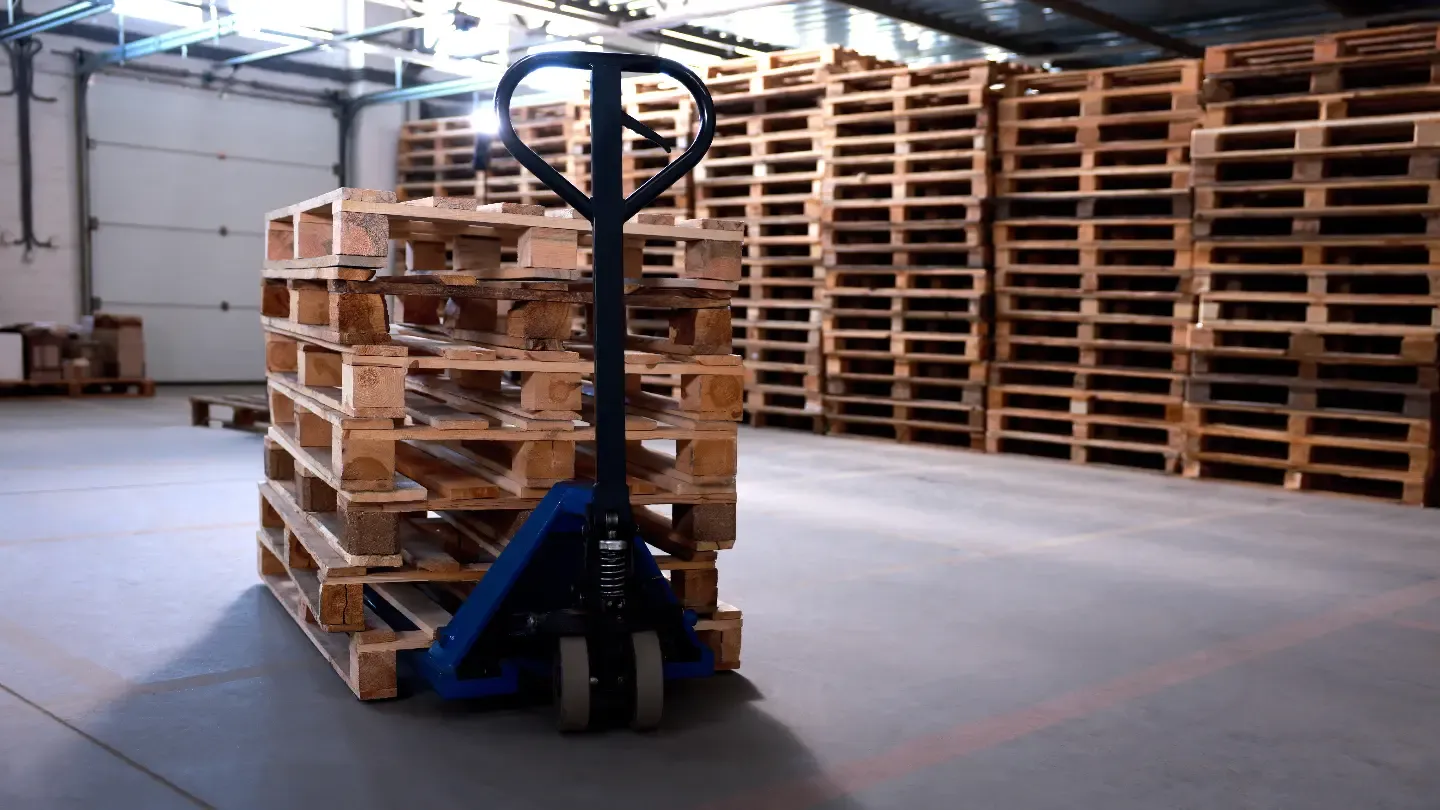
Practical Tips for Stacking Goods on Pallets for Safe Shipping
Information & Tips
18 November 2026
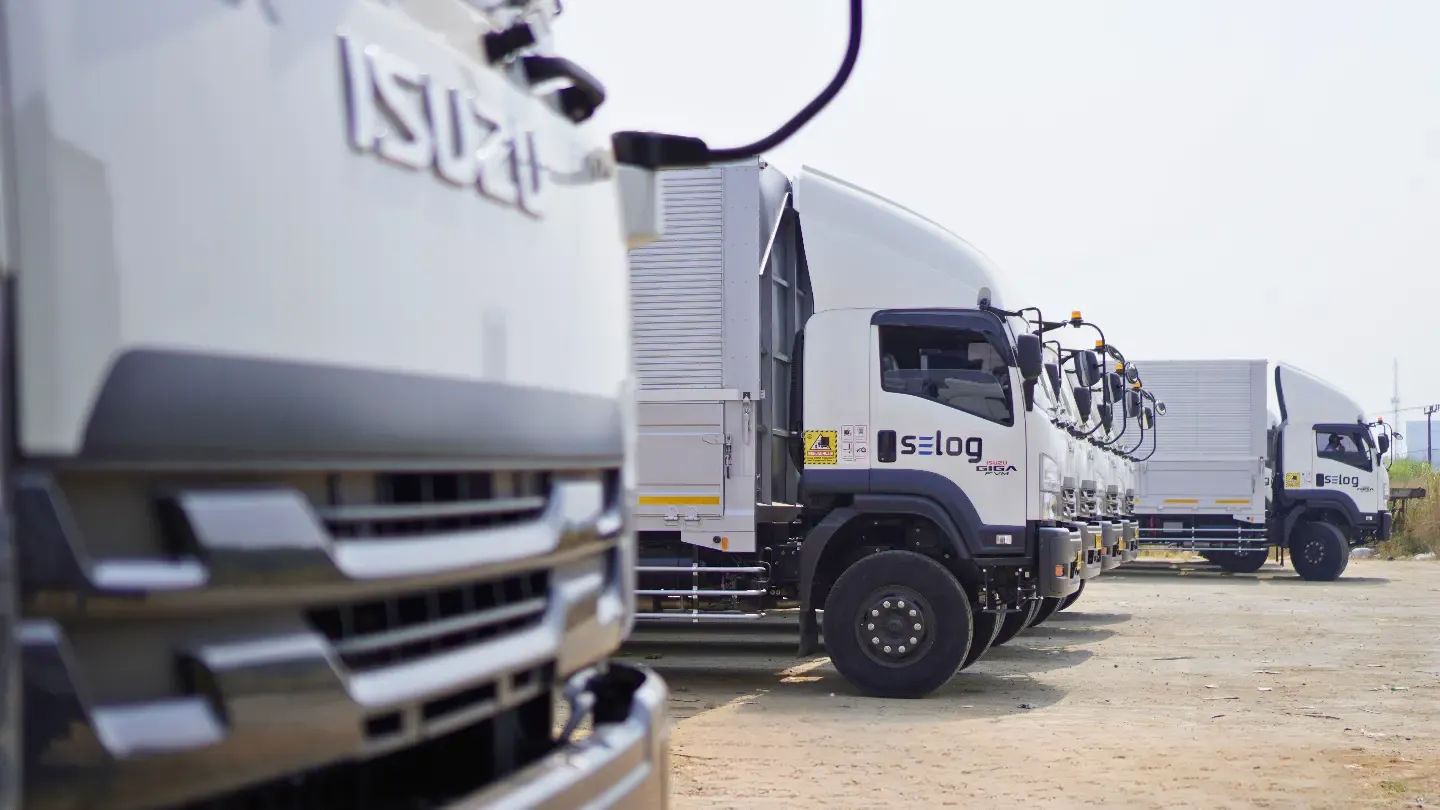
Understanding SMK PAU and How to Assess Safety Standards in the Trucking Industry
Information & Tips
16 November 2026
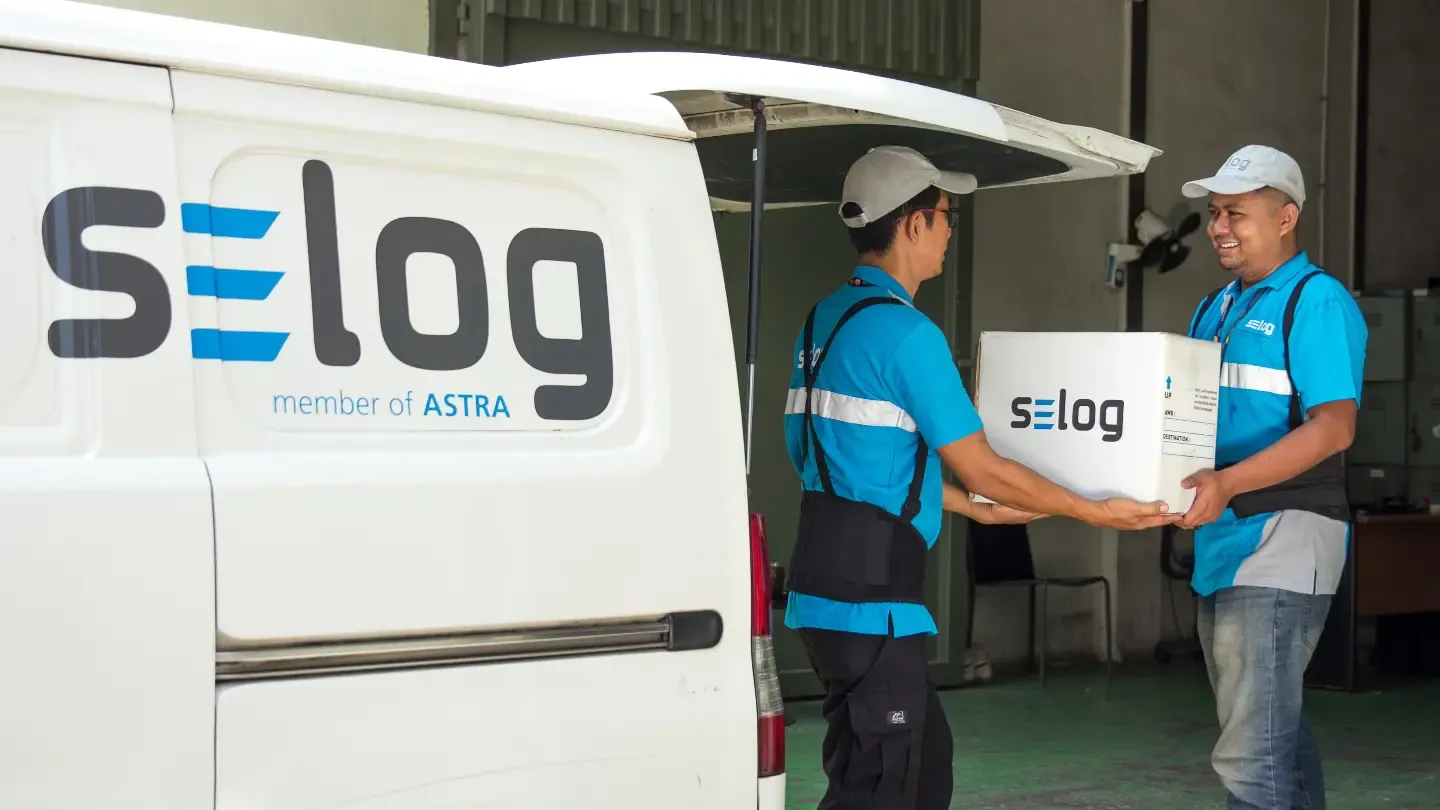
Tips for Managing Your Delivery Schedule to Keep Operations Running Smoothly During the Christmas an
Article Category
Information & Tips
20 November 2026
Practical Tips for Stacking Goods on Pallets for Safe Shipping
Information & Tips
18 November 2026
Understanding SMK PAU and How to Assess Safety Standards in the Trucking Industry
Information & Tips
16 November 2026
Tips for Managing Your Delivery Schedule to Keep Operations Running Smoothly During the Christmas an

Information & Tips
13 November 2026
Fleet Management System for Trucks More Than Just GPS Tracking

Information & Tips
11 November 2026
Types of Shipping Documents You Need to Know
Information & Tips
9 November 2026
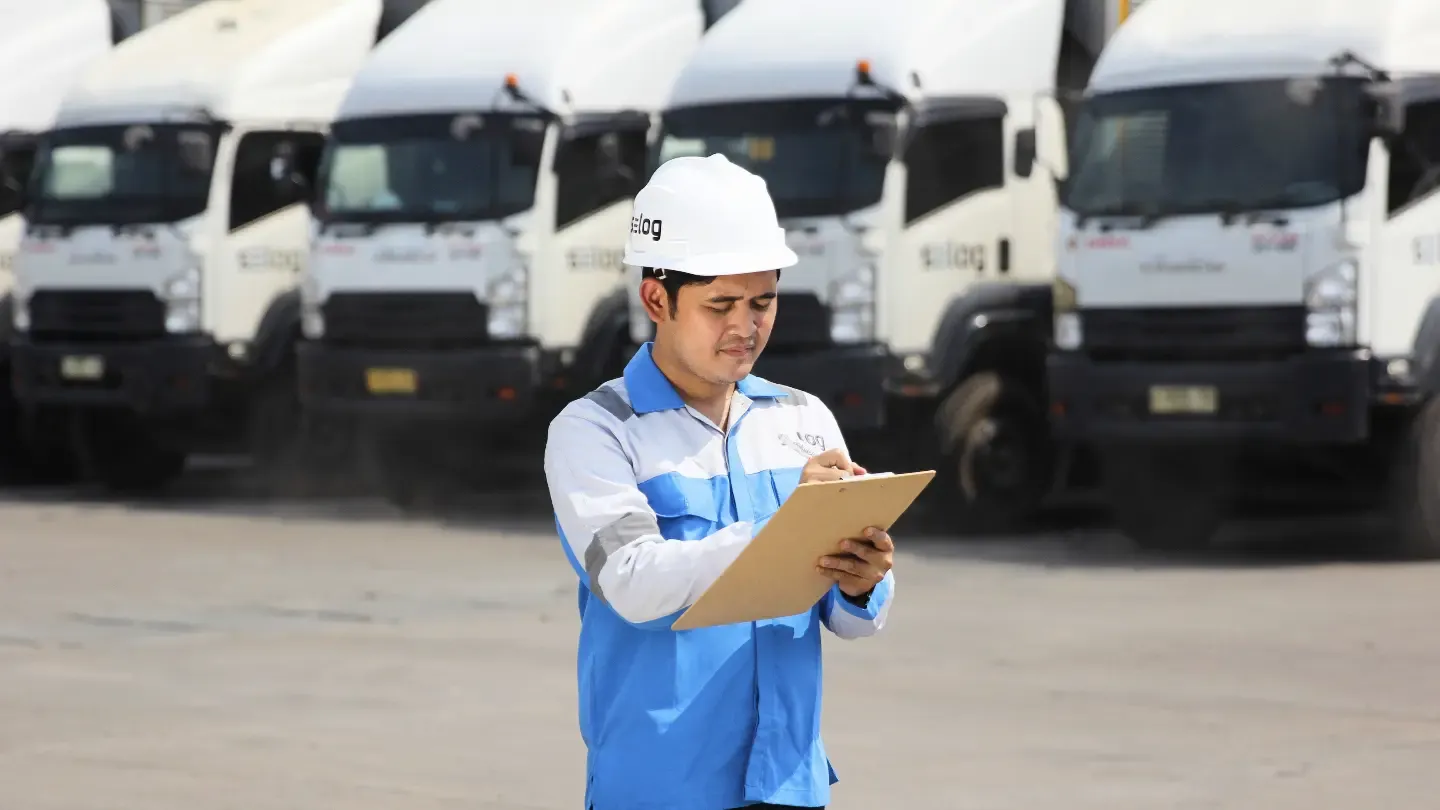
How to Calculate Truck Shipping Costs
Information & Tips
6 November 2026
Understanding FIFO, FEFO, and LIFO Inventory Issuance Methods in Warehouses
Information & Tips
4 November 2026
20-feet, 40-feet, and 40 HC Container Sizes Which One Is Right for You
Information & Tips
3 November 2026
Warehouse Layout Tips for Faster and More Efficient Picking
Information & Tips
28 Oktober 2026
Which Is More Cost-Effective for Import and Export Sea or Air Here Are the Pros and Cons
Make sure you have the latest SELOG and Logistics information updates
Please enter your email to get the latest news or articles from us.