
Information & Tips
22 Juli 2026
Tips for Managing High-Volume Shipments More Efficiently
Managing high-volume shipments is no easy task. The larger the volume of goods being shipped, the more complex the processes that must be managed—from capacity planning and fleet selection to travel risk mitigation.
Without the right strategy, delivery delays, skyrocketing logistics costs, and damaged goods will continue to be major obstacles.
Challenges of High-Volume Shipping
Every business that handles high-volume shipments inevitably faces different challenges. However, the following obstacles are among the most commonly encountered:
Fleet Capacity Limitations
Not all fleets are capable of transporting large quantities of goods at once. Choosing the wrong type of vehicle can result in shipments having to be made in multiple trips, thereby increasing operational costs.
Suboptimal Route Planning
Large-volume shipments typically involve long-distance travel or distribution to multiple locations simultaneously. Without thorough route planning, travel time can be extended, leading to increased fuel consumption.
Risk of Cargo Damage
The more goods transported, the higher the risk of damage. This can result from improper cargo arrangement, loading and unloading processes, or unpredictable road conditions.
Complex Coordination
Large-scale shipments involve many parties, from warehouse teams and transportation operators to recipients. Poor coordination can lead to delays and distribution errors.
Skyrocketing Logistics Costs
Transportation, warehousing, labor, and administrative costs can rise if the shipping process isn’t planned thoroughly and efficiently.
Tips for Managing Large-Volume Shipments More Efficiently
To ensure large-volume shipments run smoothly, companies need to implement the right strategies, starting from the planning stage.
Comprehensive Shipping Planning
Before goods are shipped, ensure that all requirements have been mapped out as thoroughly as possible—from the volume and weight of the goods, shipping schedules, and destination locations to estimated arrival times.
Thorough planning helps minimize operational challenges and optimize resource utilization.
Consolidate Shipments
If possible, combine multiple shipments into a single fleet or distribution schedule. Consolidating cargo can reduce the frequency of trips while lowering logistics costs.
Use a Monitoring System
Utilizing technologies such as GPS Tracking or a Transportation Management System (TMS) allows companies to monitor fleet locations in real time.
This enables companies to anticipate delays, adjust routes, and provide more accurate information to customers.
Ensure Optimal Packaging
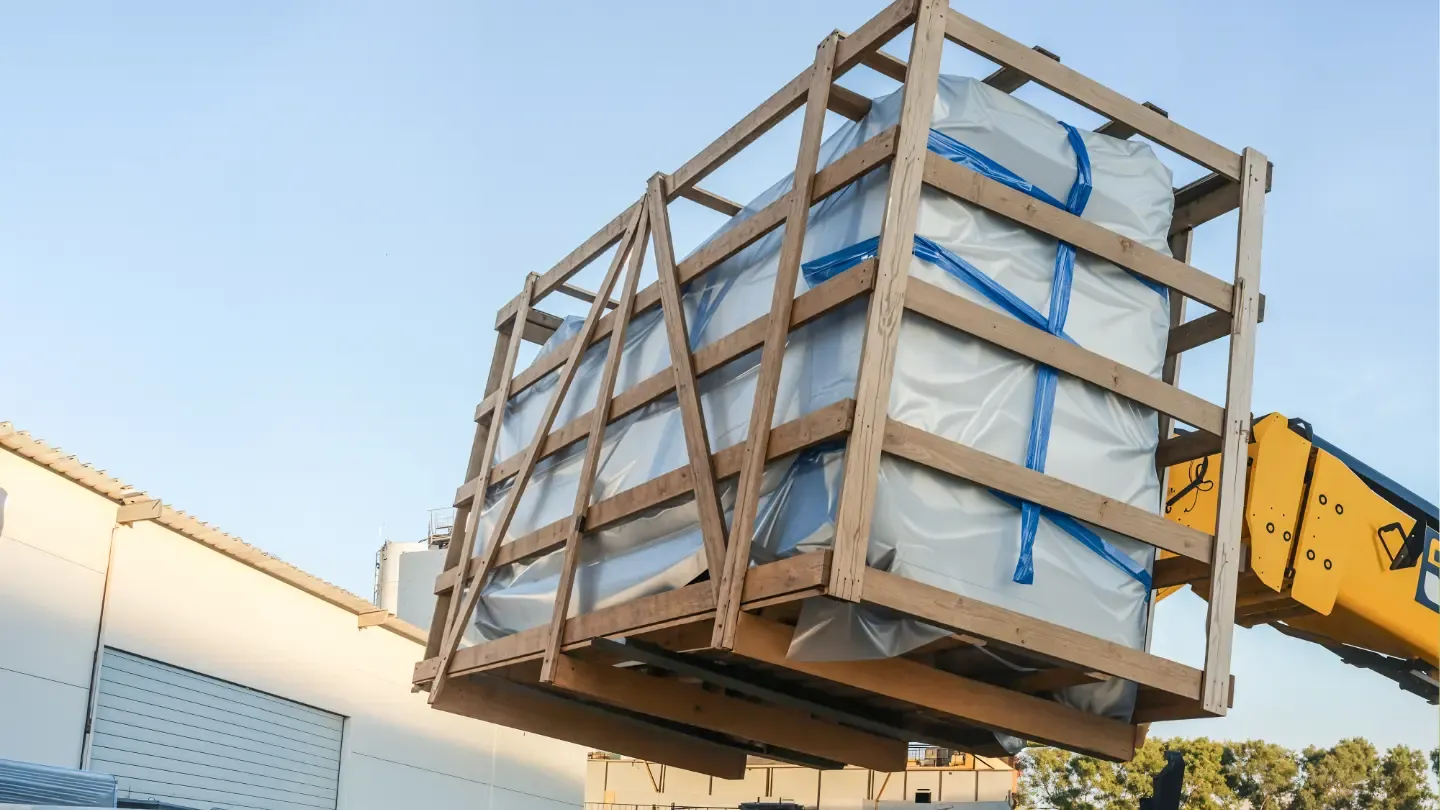
Use packaging methods appropriate for the characteristics of the goods. Additionally, pay attention to how cargo is arranged inside the vehicle to ensure the load remains balanced.
Set Up a Flexible Distribution Schedule
Avoiding peak hours, taking weather conditions into account, and adjusting schedules to align with port or warehouse operations help speed up the delivery process and reduce potential on-site obstacles.
Tips for Selecting a Fleet for High-Volume Shipments
Fleet selection is a crucial factor in the success of high-volume shipments. Here are some key considerations.
Match Fleet Capacity to Cargo Volume
Ensure vehicles have the appropriate carrying capacity to make the distribution process more efficient and avoid exceeding permitted load limits.
Consider Cargo Characteristics
Each type of cargo has different transportation requirements. For example, large items require trailers, while certain goods need vehicles with specialized specifications.
Consider the Delivery Range
Intercity or even international distribution naturally requires different fleets and modes of transportation. Choose the solution that best fits your needs.
Collaborate with an Experienced Logistics Provider
Partnering with a professional logistics company will streamline fleet management, distribution planning, and document handling—especially for international shipments.
SELOG: Solutions for High-Volume Shipments
Managing high-volume shipments requires experience, a network, and adequate operational support. That’s why SELOG serves as a trusted logistics partner for a wide range of business distribution needs.
SELOG is the logistics business unit of PT Serasi Autoraya (SERA), part of the Astra Group, with over 20 years of experience in the logistics industry.
SELOG provides domestic and international freight forwarding services supported by various logistics facilities such as warehouses, a truck fleet, and Ro-Ro vessels to support the entire distribution process.
In addition to freight forwarding services, SELOG also offers a range of comprehensive end-to-end logistics solutions, including:
- Trucking
- Shipping Services
- Warehousing
- Project Cargo
All of these services are supported by the Astra Fleet Management Solution (AstraFMS) and the Warehouse Management System (WMS) to improve operational efficiency and provide real-time shipment visibility.
For more information about SELOG’s services, visit the official website at www.selog.astra.co.id and follow SELOG on social media:
- Instagram: @selog_astra
- LinkedIn: SELOG
Information & Tips
27 Juli 2026
How to Safely Ship Heavy Equipment Between Islands

Information & Tips
20 Juli 2026
The Potential for FMCG Imports and the Challenges Involved

Information & Tips
16 Juli 2026
The Importance of Using a Fleet Management System

Information & Tips
3 Juli 2026
Tips for Selecting the Right FMCG Warehouse

Information & Tips
3 Juli 2026
Remote Area Delivery Challenges and Solutions

Information & Tips
3 Juli 2026
Choosing the Right Trucking Service 5 Key Considerations

Information & Tips
3 Juli 2026
Differences Between CDD and CDE Trucks for Cargo Delivery

Information & Tips
3 Juli 2026
Understanding Distribution A Vital Process in Logistics Management

Information & Tips
3 Juli 2026
Overloaded Trucks Danger and Prevention

Information & Tips
3 Juli 2026
What is Shipping and Delivery in Logistics
Make sure you have the latest SELOG and Logistics information updates
Please enter your email to get the latest news or articles from us.