
Information & Tips
20 Juli 2026
The Potential for FMCG Imports and the Challenges Involved
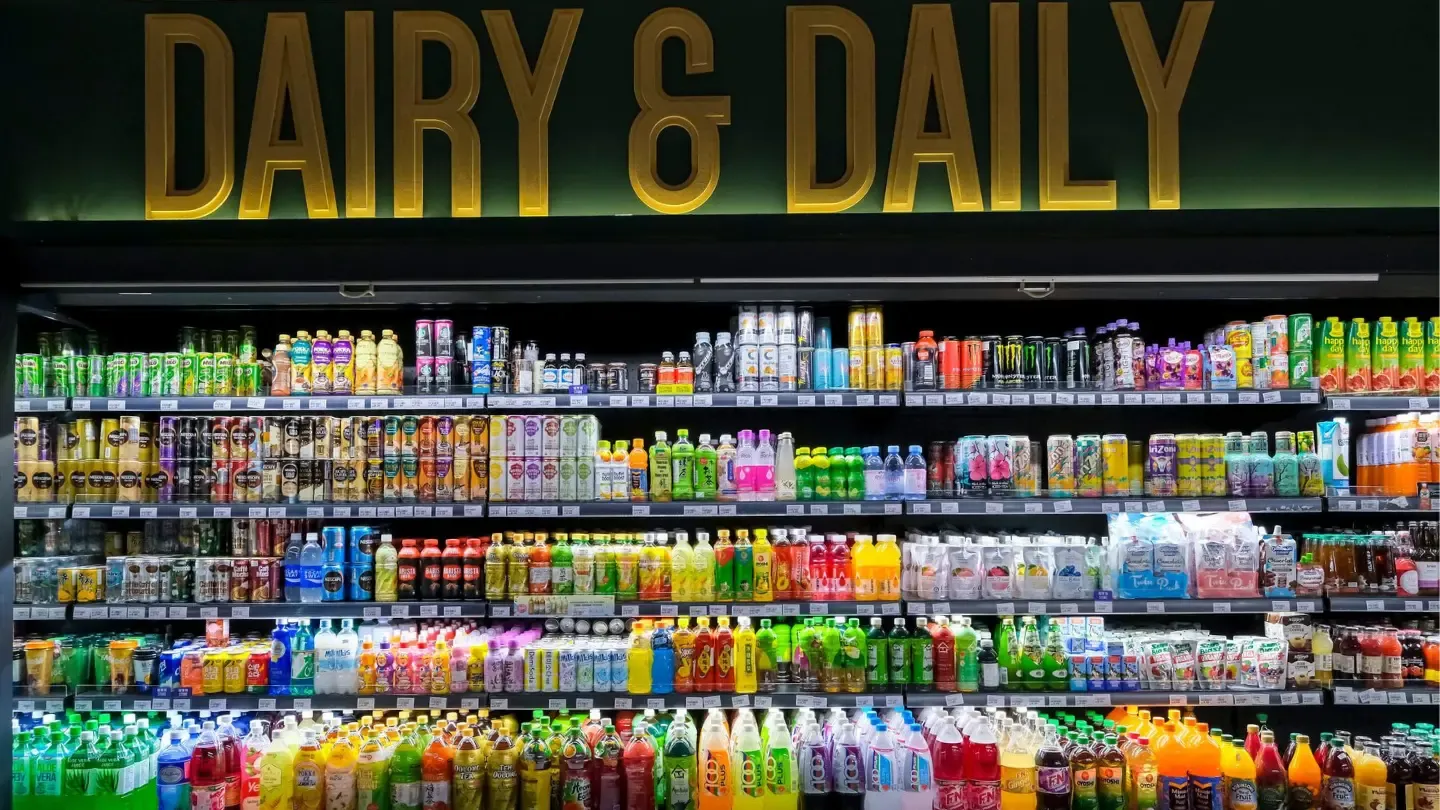
Demand for Fast-Moving Consumer Goods (FMCG) continues to rise in line with changing lifestyles, the growth of the middle class, and evolving global consumption trends.
These conditions make FMCG imports a promising business opportunity for entrepreneurs in Indonesia.
However, there are many challenges that need to be understood, ranging from import regulations and supply chain management to maintaining product quality during the distribution process.
Therefore, the process of importing FMCG products requires fast, accurate, and efficient logistics management.
The Appeal of the FMCG Import Business
Why are so many business owners interested in pursuing the FMCG import business? Here are a few reasons.
Consistent Market Demand
FMCG products are daily necessities that are consumed repeatedly. As long as people continue to need them, demand for these products will remain high.
Opportunities to Introduce Unique Products
Many Indonesian consumers are interested in trying imported products that are not yet widely available in the local market, whether due to quality, innovation, or emerging trends abroad.
Competitive Margins
If managed well, importing FMCG products can yield attractive profit margins, especially for products with added value or those facing limited competition.
Supported by E-commerce Growth
The ease of selling through marketplaces and digital platforms opens up greater opportunities to market imported products to various regions across Indonesia.
Potential for FMCG Imports in Indonesia
Indonesia is one of the largest markets in Southeast Asia, boasting a large population and relatively high purchasing power.
These conditions create business opportunities for importing FMCG products, particularly in the premium, health, and globally trending product segments.
Additionally, growing awareness of product quality, safety, and innovation is driving demand for various international brands.
This opens up opportunities for importers to offer a more diverse range of products.
Types of FMCG Products That Can Be Imported
There are various categories of FMCG products with market potential in Indonesia, including:
- Packaged food and beverages, such as snacks, ready-to-drink beverages, or healthy food products
- Personal care products, such as shampoo, soap, toothpaste, and skincare
- Household cleaning products, such as detergents, cleaning liquids, and disinfectants
- Baby products, including diapers, wet wipes, and baby care supplies
- Health and wellness products, such as vitamins, supplements, or specific health products that meet regulatory requirements
Before importing, ensure that each product meets applicable requirements, including permits, safety standards, and labeling regulations in Indonesia.
Challenges in Importing FMCG Products
While offering significant opportunities, importing FMCG products also comes with a number of challenges that must be anticipated, such as:
Regulatory Compliance
FMCG products are generally subject to strict oversight because they relate to consumer health and safety. Therefore, importers must ensure that all documents and permits are in order according to regulations.
Maintaining Product Quality
Some FMCG products have a limited shelf life or require special handling during shipping and storage. Errors in handling can affect their quality.
Inventory Management
High demand must be balanced with sound inventory planning. Stock shortages result in lost sales opportunities. However, excess inventory also increases storage costs or the risk of products expiring.
Fluctuations in Logistics Costs
Changes in international shipping rates, exchange rates, and global conditions can affect total import costs. Thorough logistics planning is a key factor in maintaining cost efficiency.
Supply Chain Complexity
The import process involves many parties, ranging from suppliers, shipping companies, and customs authorities to distribution to warehouses. Suboptimal coordination leads to delays and cost overruns.
Optimize FMCG Imports with SELOG
The FMCG import business indeed offers promising prospects as market demand for quality consumer goods continues to rise.
However, importing FMCG products requires a logistics partner that thoroughly understands the entire international trade process.
One logistics company that can provide solutions for these needs is SELOG, the logistics business unit of PT Serasi Autoraya (SERA), which is also part of the Astra Group.
SELOG provides domestic and international freight forwarding services supported by various logistics facilities such as warehouses, a truck fleet, and Ro-Ro ships to support the entire distribution process.
In addition to freight forwarding services, SELOG also offers a range of comprehensive end-to-end logistics solutions, including:
- Trucking
- Shipping Services
- Warehousing
- Project Cargo
All of these services are supported by the Astra Fleet Management Solution (AstraFMS) and the Warehouse Management System (WMS) to improve operational efficiency and provide real-time shipment visibility.
For more information about SELOG’s services, visit the official website at www.selog.astra.co.id and follow SELOG on social media:
- Instagram: @selog_astra
- LinkedIn: SELOG
Information & Tips
27 Juli 2026
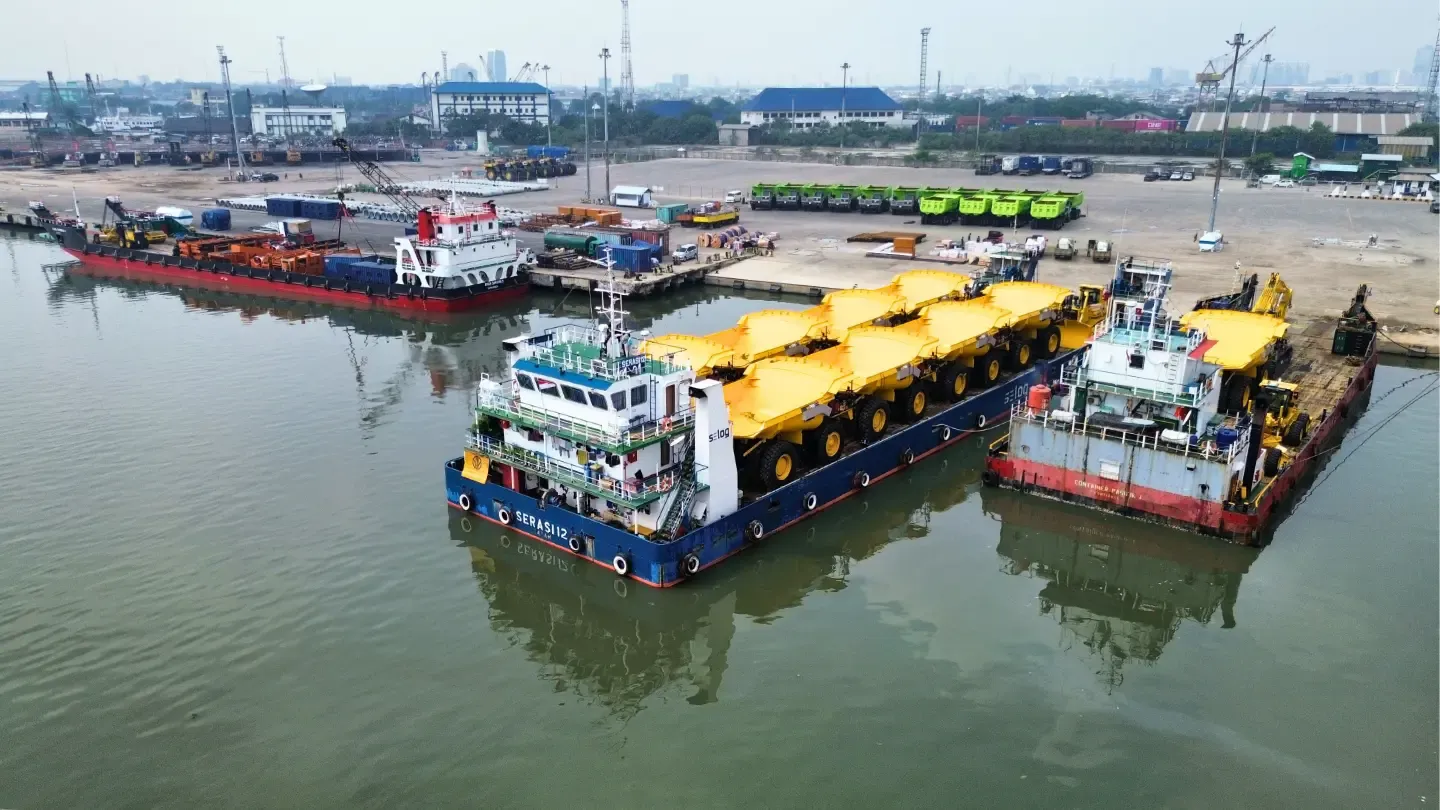
How to Safely Ship Heavy Equipment Between Islands
Information & Tips
22 Juli 2026
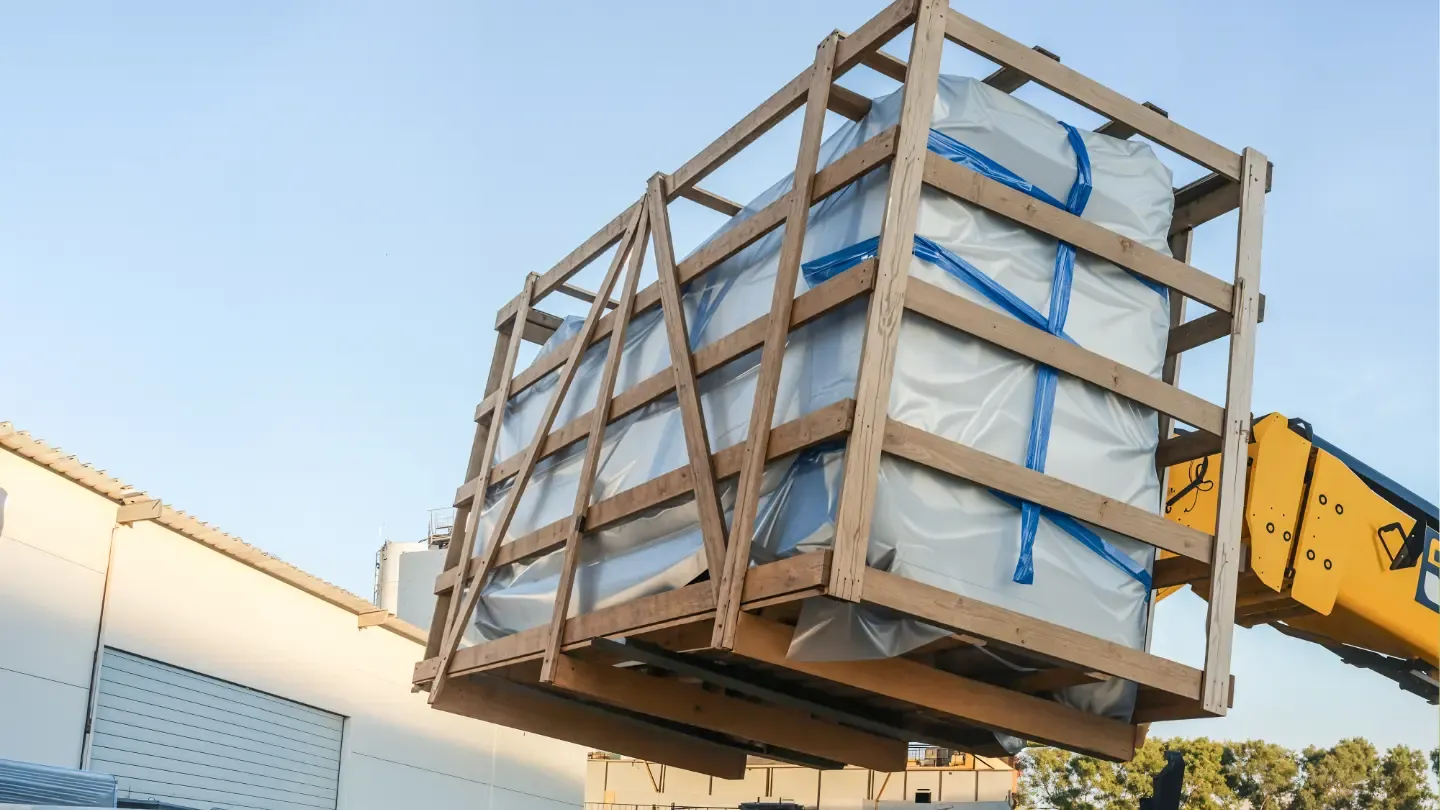
Tips for Managing High-Volume Shipments More Efficiently
Information & Tips
16 Juli 2026
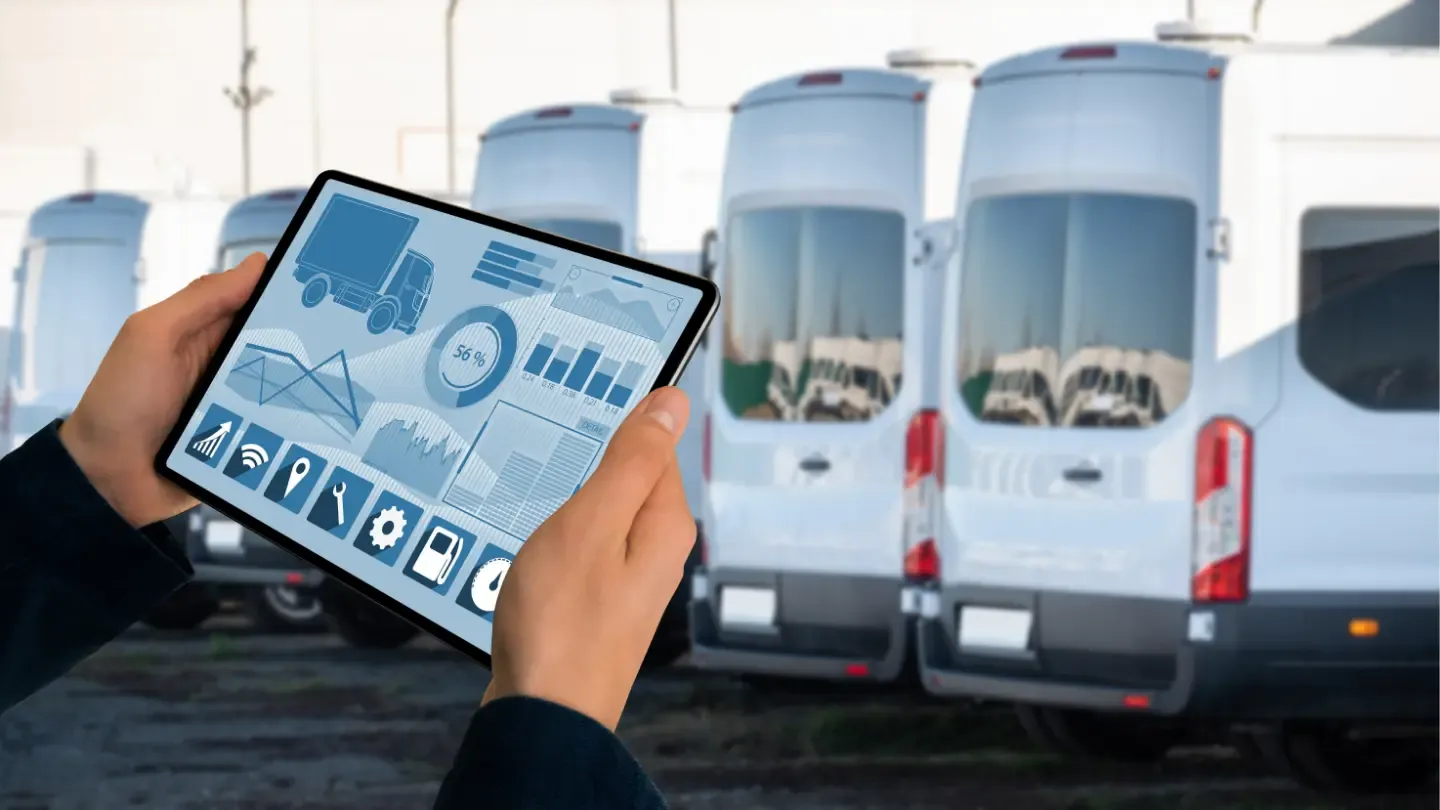
The Importance of Using a Fleet Management System

Information & Tips
3 Juli 2026
Tips for Selecting the Right FMCG Warehouse

Information & Tips
3 Juli 2026
Remote Area Delivery Challenges and Solutions

Information & Tips
3 Juli 2026
Choosing the Right Trucking Service 5 Key Considerations

Information & Tips
3 Juli 2026
Differences Between CDD and CDE Trucks for Cargo Delivery

Information & Tips
3 Juli 2026
Understanding Distribution A Vital Process in Logistics Management

Information & Tips
3 Juli 2026
Overloaded Trucks Danger and Prevention

Information & Tips
3 Juli 2026
What is Shipping and Delivery in Logistics
Make sure you have the latest SELOG and Logistics information updates
Please enter your email to get the latest news or articles from us.