
Information & Tips
27 Juli 2026
How to Safely Ship Heavy Equipment Between Islands
Shipping heavy equipment between islands is not a logistics process that can be handled like the shipment of general cargo.
The heavy weight, non-standard dimensions, and the need for specialized loading and unloading equipment mean that every stage of this shipment must be carefully planned.
Choosing the wrong mode of transportation or a lack of preparation can lead to project delays, damage to the equipment, and increased operational costs.
Challenges of Shipping Heavy Equipment Between Islands
As an archipelago, Indonesia faces quite complex logistical challenges, especially when it comes to shipping heavy equipment.
In addition to traveling by sea, the distribution process also involves land transportation, loading and unloading activities at ports, and coordination with various parties. Here are some of the challenges frequently encountered.
Large Dimensions and Weight
Heavy equipment is significantly larger and heavier than ordinary vehicles. This means that the transportation process requires a specialized fleet and precise calculations of carrying capacity.
Risk of Damage During Transit
Vibrations, jolts, extreme weather, and even the loading and unloading processes can potentially cause damage if the heavy equipment is not properly secured.
Access to Project Sites
Not all project sites have adequate road or port access. Therefore, thorough route planning is required before shipment.
Permits and Administration
For heavy equipment of certain dimensions, special documents or permits are usually required to ensure distribution proceeds smoothly in accordance with applicable rules and regulations.
Types of Heavy Equipment That Can Be Shipped Between Islands
In principle, almost all types of heavy equipment can be shipped between islands using appropriate transportation. Some examples include:
- Excavator
- Bulldozer
- Wheel Loader
- Motor Grader
- Crane
- Forklift
- Vibro Roller
- Asphalt Finisher
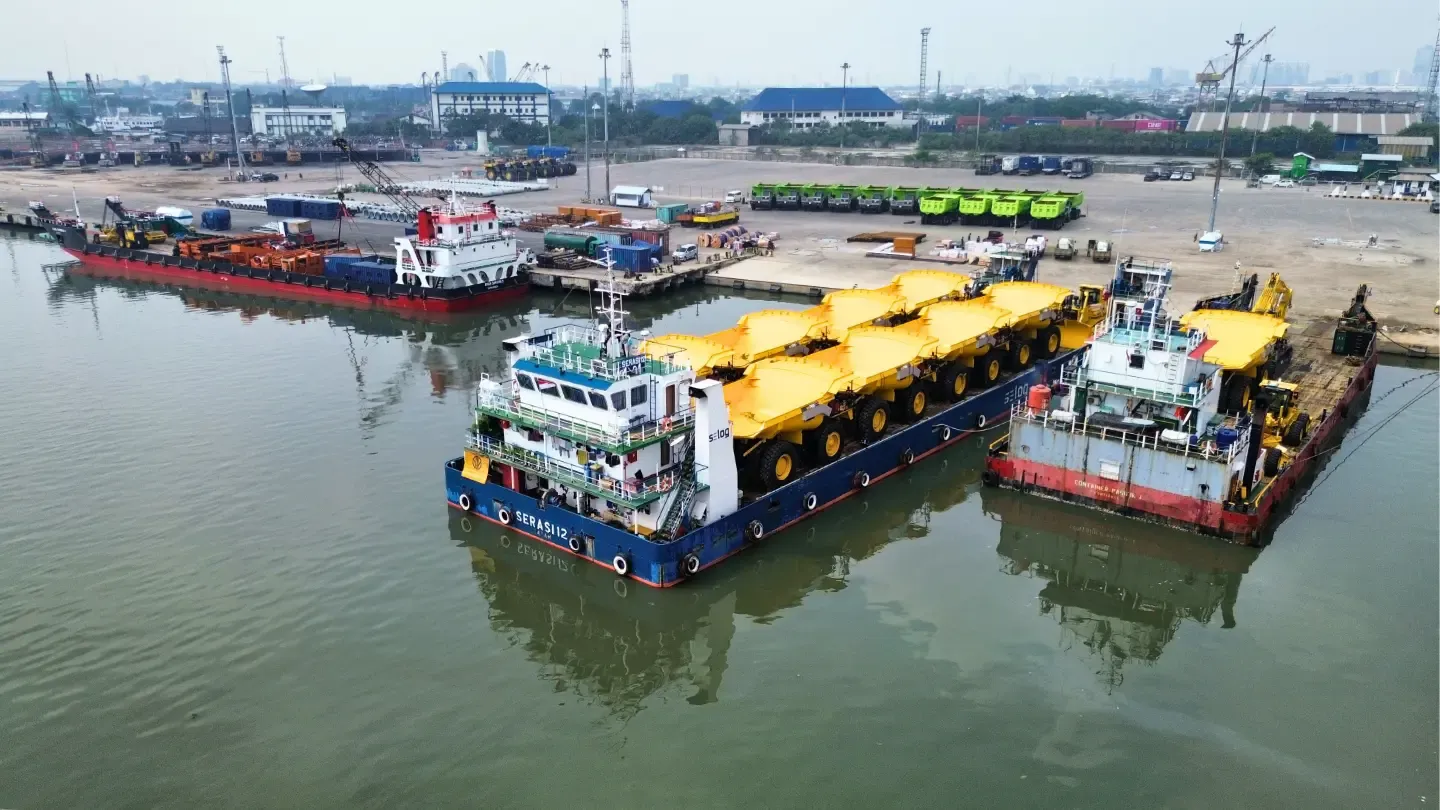
- Mining Dump Truck
- Mobile Crusher
- High-capacity generators
- Industrial machinery and other project equipment
Each type of heavy equipment has distinct characteristics. Therefore, the packaging methods, lashing procedures, and even the selection of the vessel must be tailored to the specific requirements of each piece of equipment.
4 Modes of Inter-Island Heavy Equipment Shipping
The choice of transportation mode is a critical factor in the success of heavy equipment shipments. Here are some of the most commonly used options.
1. Landing Craft Tank (LCT)
LCTs are the most popular choice because they feature a ramp door that allows heavy equipment to be loaded and unloaded easily without requiring a port crane.
This mode is ideal for shipments to mining areas, plantations, or construction projects in regions with limited port facilities.
2. Cargo Ships or General Cargo Vessels
For certain types of heavy equipment that require lifting by a crane, general cargo ships are the right choice. They are typically used for equipment with special configurations or for large-volume shipments.
3. Barges
Barges are usually chosen for distributing heavy equipment to project sites located along rivers or specific coastal areas.
4. Multimodal Transportation
Heavy equipment shipments generally do not rely on a single mode of transportation. Upon arrival at the destination port, the units will be transported via lowbed trailers or specialized vehicles to the project site.
More Efficient Heavy Equipment Shipping with SELOG
To ensure a safer and more efficient process, entrust your heavy equipment shipping needs to SELOG.
With integrated shipping and project cargo services, SELOG is ready to serve as a reliable logistics solution to support the smooth execution of projects across various regions of Indonesia.
SELOG is the logistics business unit of PT Serasi Autoraya (SERA), part of the Astra Group, with over 20 years of experience in the logistics industry.
In addition to shipping services, SELOG also offers a range of comprehensive end-to-end logistics solutions, including:
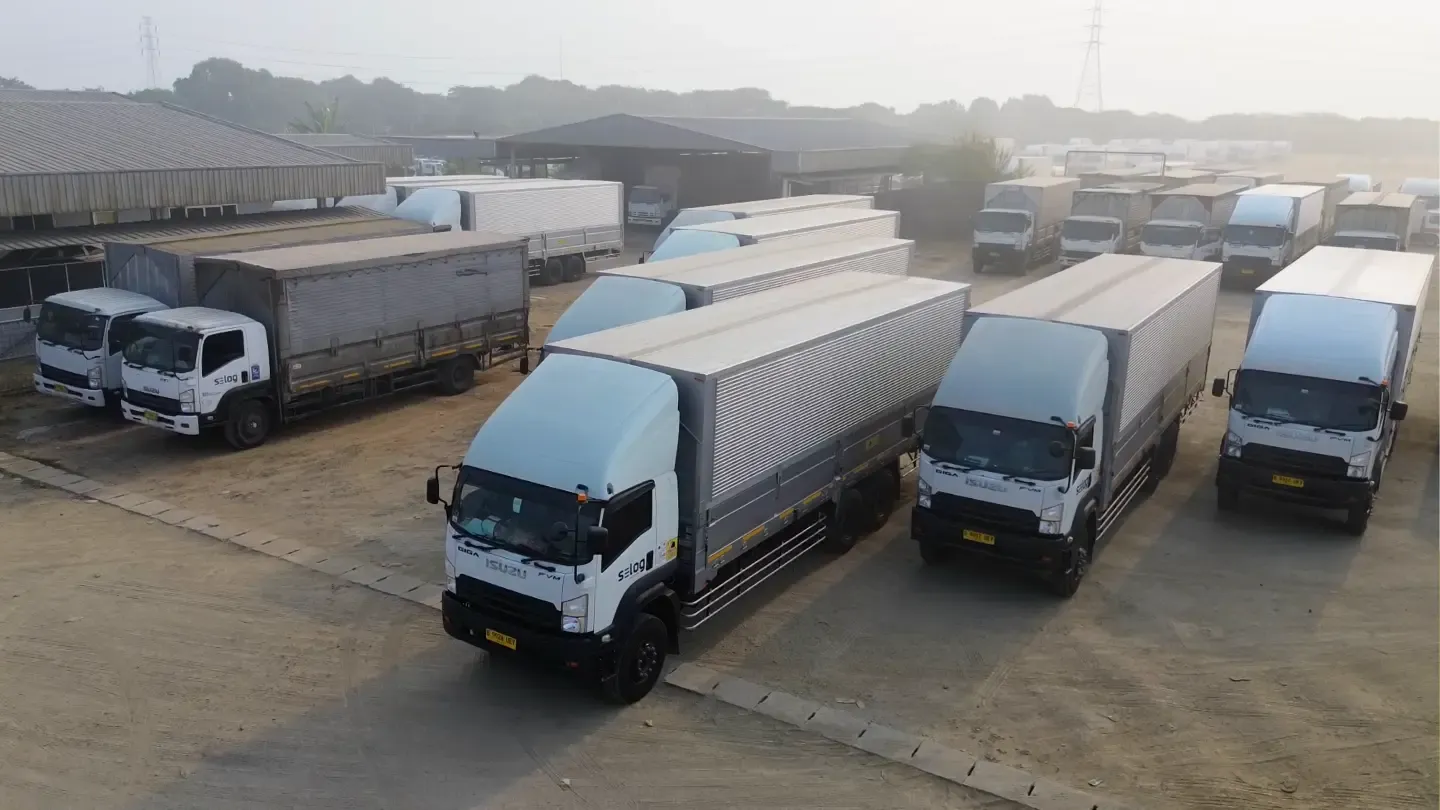
- Trucking
- Shipping Services
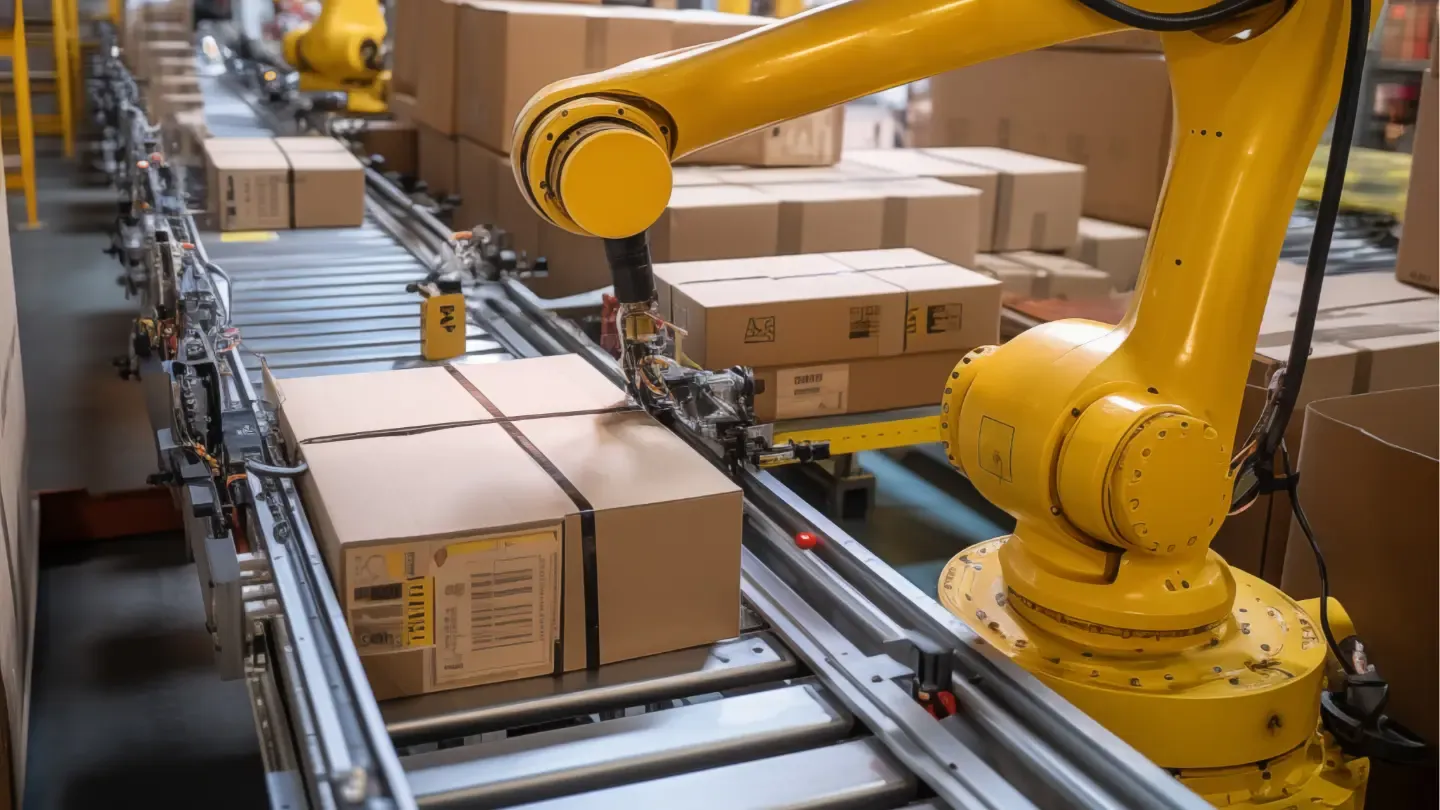
- Warehousing
- Project Cargo
All these services are supported by the Astra Fleet Management Solution (AstraFMS) and the Warehouse Management System (WMS) to improve operational efficiency and provide real-time shipment visibility.
For more information about SELOG’s services, visit the official website at www.selog.astra.co.id and follow SELOG on social media:
- Instagram: @selog_astra
- LinkedIn: SELOG
Information & Tips
25 September 2026
Tips for Warehouse Management Efficiency

Information & Tips
23 September 2026
Challenges in Medical Device Distribution That Need to Be Anticipated
Information & Tips
21 September 2026
Types of Tronton Trucks and Their Functions
Information & Tips
18 September 2026
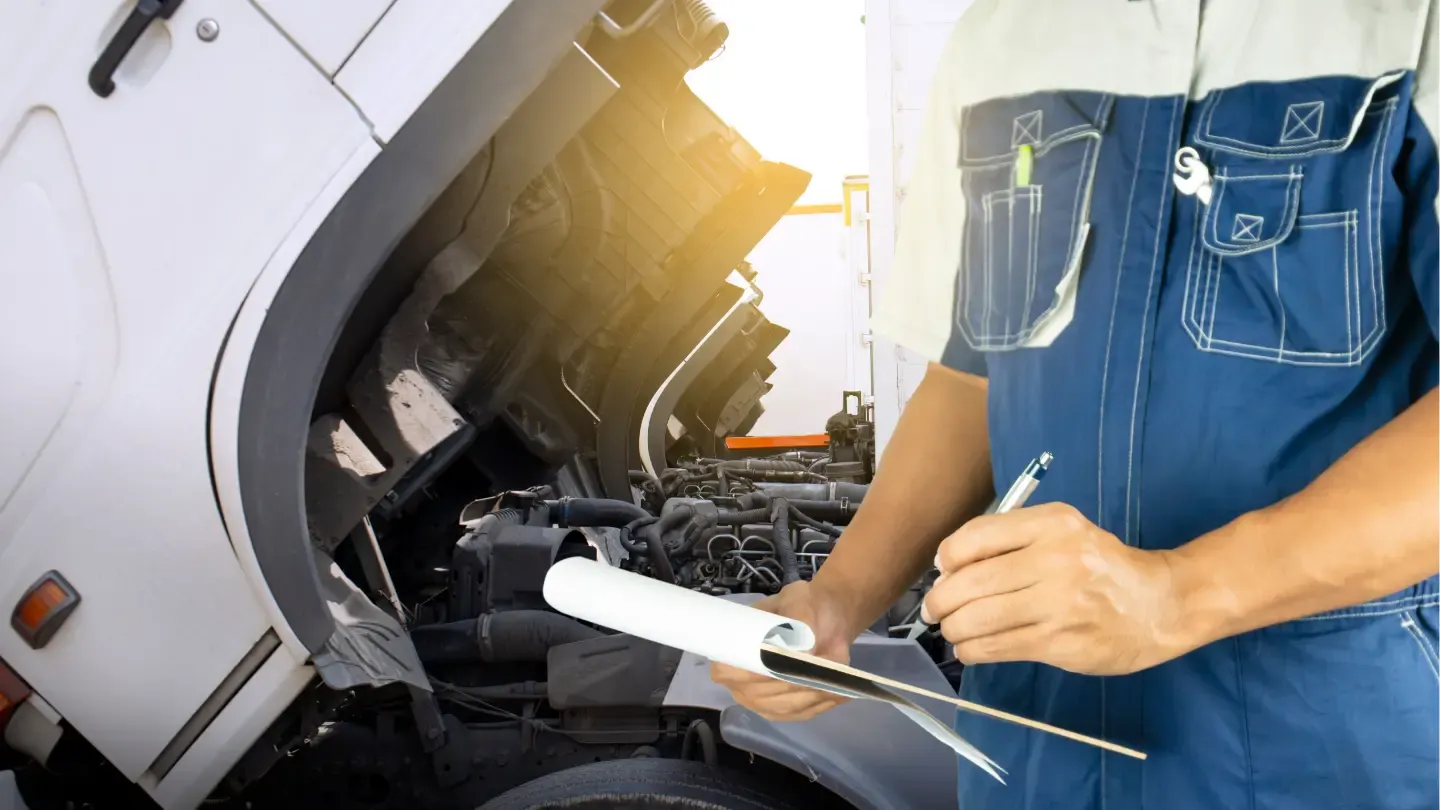
Carrying Extra Weight These 10 Truck Parts Must Be Replaced Regularly
Information & Tips
16 September 2026
The Use of the Internet of Things IoT in Logistics Warehouse Management
Information & Tips
15 September 2026
The Vital Role of Distribution Centers as the Heart of Modern Logistics

Information & Tips
11 September 2026
List of the 10 Largest Ports in Indonesia
Information & Tips
9 September 2026
Dwelling Time A Key Factor in Logistics Distribution Efficiency
Information & Tips
7 September 2026
Understanding Dry Ports A Solution to Congestion at Major Ports
Information & Tips
26 Agustus 2026
How to Choose the Right Export-Import Freight Forwarder
Make sure you have the latest SELOG and Logistics information updates
Please enter your email to get the latest news or articles from us.