
Information & Tips
7 Agustus 2025
From Military Use to Logistics Transport: The Story of RoRo Ships
The logistics industry has a vital role in supporting national economic growth. However, the success of this sector is highly dependent on the effectiveness and efficiency of the logistics process, including the selection of the right mode of transportation.
As an archipelago, Indonesia is primarily composed of water. Therefore, sea transportation is the key to distributing goods between islands. One mode of sea transportation that plays a vital role is the RoRo, or Roll-on/Roll-off, ships.
What Are RoRo Ships?
RoRo ships are a type of vessel specifically designed for loading and unloading vehicles and cargo without the need for supporting heavy equipment, such as cranes. Vehicles can directly roll on (be loaded) and roll off (be unloaded) through a ramp or a designated incline.
The design of this vessel also considers passenger comfort. There are separate lanes for vehicles and passengers to ensure a smooth loading and unloading process for each. Some RoRo vessels are even equipped with basic passenger accommodations.
In general, RoRo vessels adopt the design of a Landing Craft Tank (LCT)—a military vessel used to transport combat vehicles, such as tanks, to the battlefield.
The Use of RoRo Ships in Indonesia
In Indonesia, RoRo ships are widely used for strait crossings as well as coastal, river, and lake transport. Its function is highly strategic in accelerating the distribution of goods and vehicles between regions, especially in areas without bridges or road connectivity.
The highly efficient loading and unloading process, combined with their large capacity, makes RoRo vessels a mainstay for many national logistics businesses.
From the Battlefield to Commercial Shipping: A Brief History of RoRo Ships
The first recorded use of RoRo ships was in 1850 in Scotland, during the glory of steam-powered rail transportation. These vessels were designed to transport railroad cars complete with rails on the vessel’s deck.
Over time, their use expanded in the Baltic and Mediterranean regions. During World War II, RoRo vessels were widely used to transport military vehicles and heavy war equipment, as their efficiency was proven on the battlefield.
In the 1950s, RoRo vessels began to be used commercially for merchant shipping. They have since become an integral part of the integration of sea and land transportation, carrying private vehicles, buses, and logistics trucks.
RoRo Ships for Modern Logistics Needs
Roro vessels become an excellent solution for companies that require fast and efficient inter-island shipping. When operated by a competent and reliable logistics provider, they contribute to the successful delivery of goods.
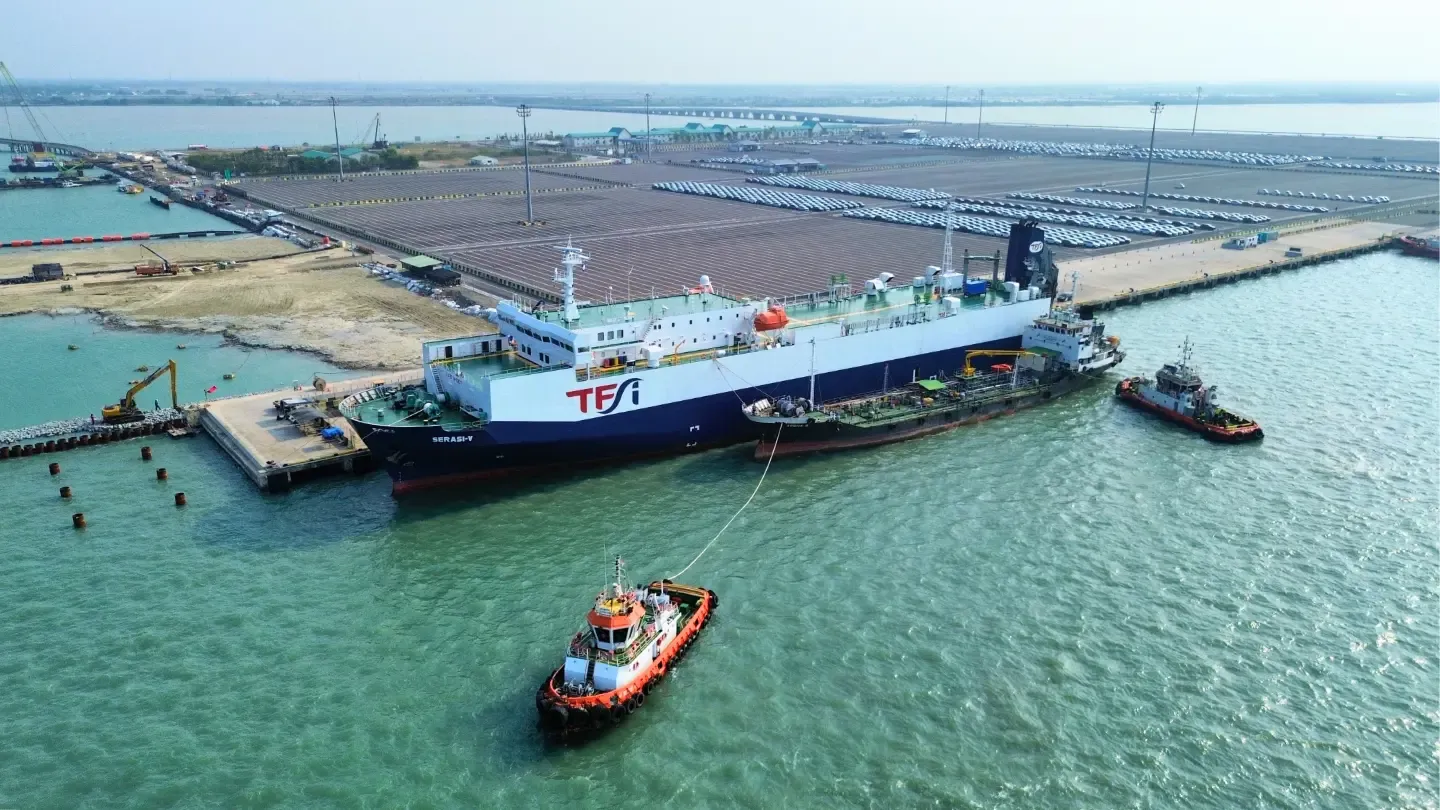
One of the professional logistics companies as a shipping agency is SELOG, a business line of PT Serasi Autoraya (SERA) and part of Astra Group. SELOG provides professional Shipping Agency services, including a fleet of modern RoRo vessels.
SELOG currently operates two RoRo vessels: Serasi III and Serasi V. Both are crucial in supporting the smooth distribution of goods and vehicles between islands in Indonesia.
SELOG’s shipping services are available to serving domestic and international freight with several advantages, including monthly shipment to arrange vessel schedules, 24-hour vessel operation monitoring, and structural design, materials, and ramp door width capable of bearing heavy cargo loads.
In addition, with over 20 years of experience in the logistics industry, SELOG provides end-to-end logistics services, including Trucking, Shipping, Freight Forwarding, Warehousing, and Project Cargo.
Every SELOG’s services are supported by the latest digital technology, including the Astra Fleet Management Solution (AstraFMS), which is not only convenient but also effective and efficient for businesses.
Through AstraFMS, SELOG provides businesses in Indonesia with integrated IT-based solutions for vehicle management.
For more information about SELOG services, visit www.selog.astra.co.id or contact us at (021) 26605333.
Follow SELOG on Instagram @selog_astra and LinkedIn SELOG for the latest updates and insights on logistics.
Latest Article
Information & Tips
16 September 2026
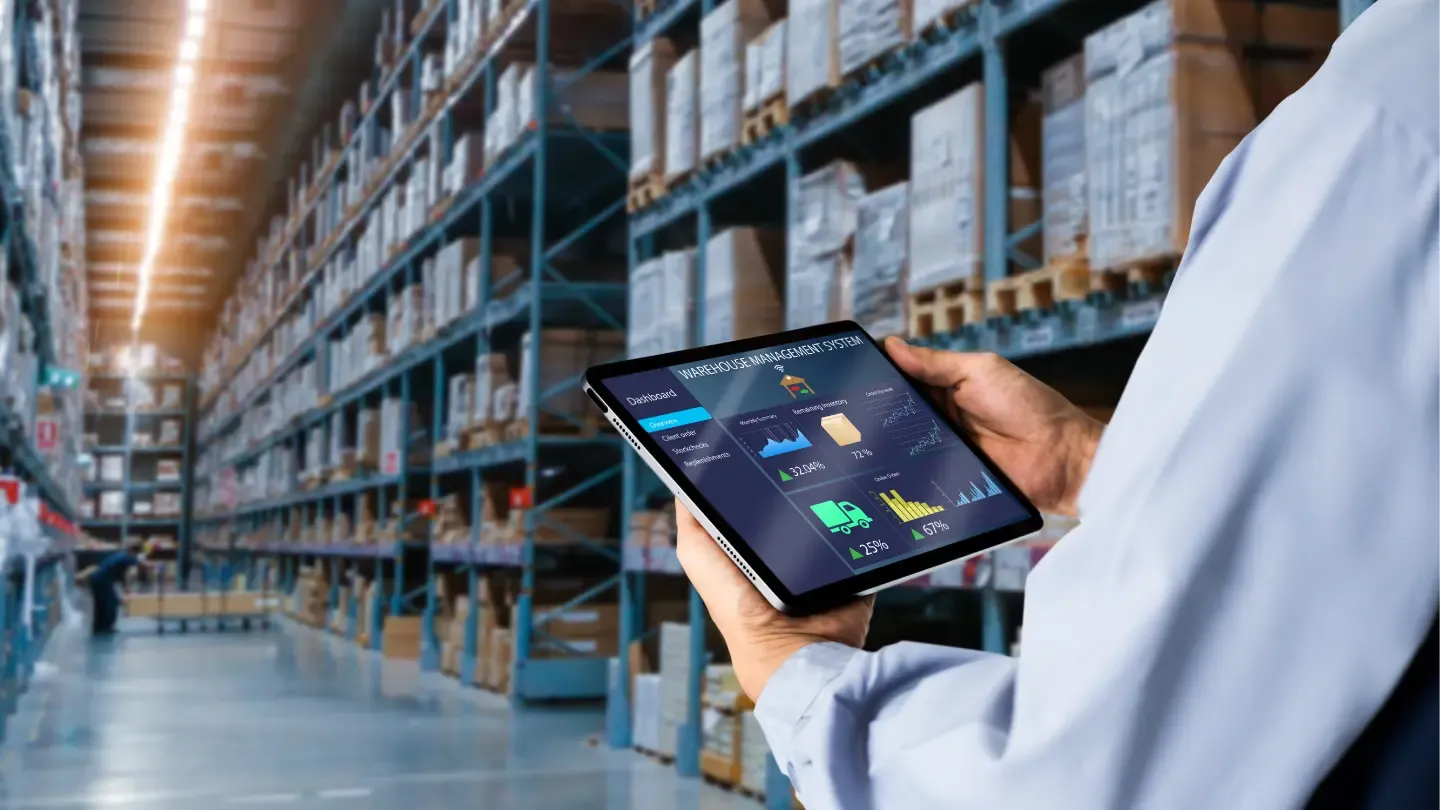
The Use of the Internet of Things IoT in Logistics Warehouse Management
Information & Tips
15 September 2026
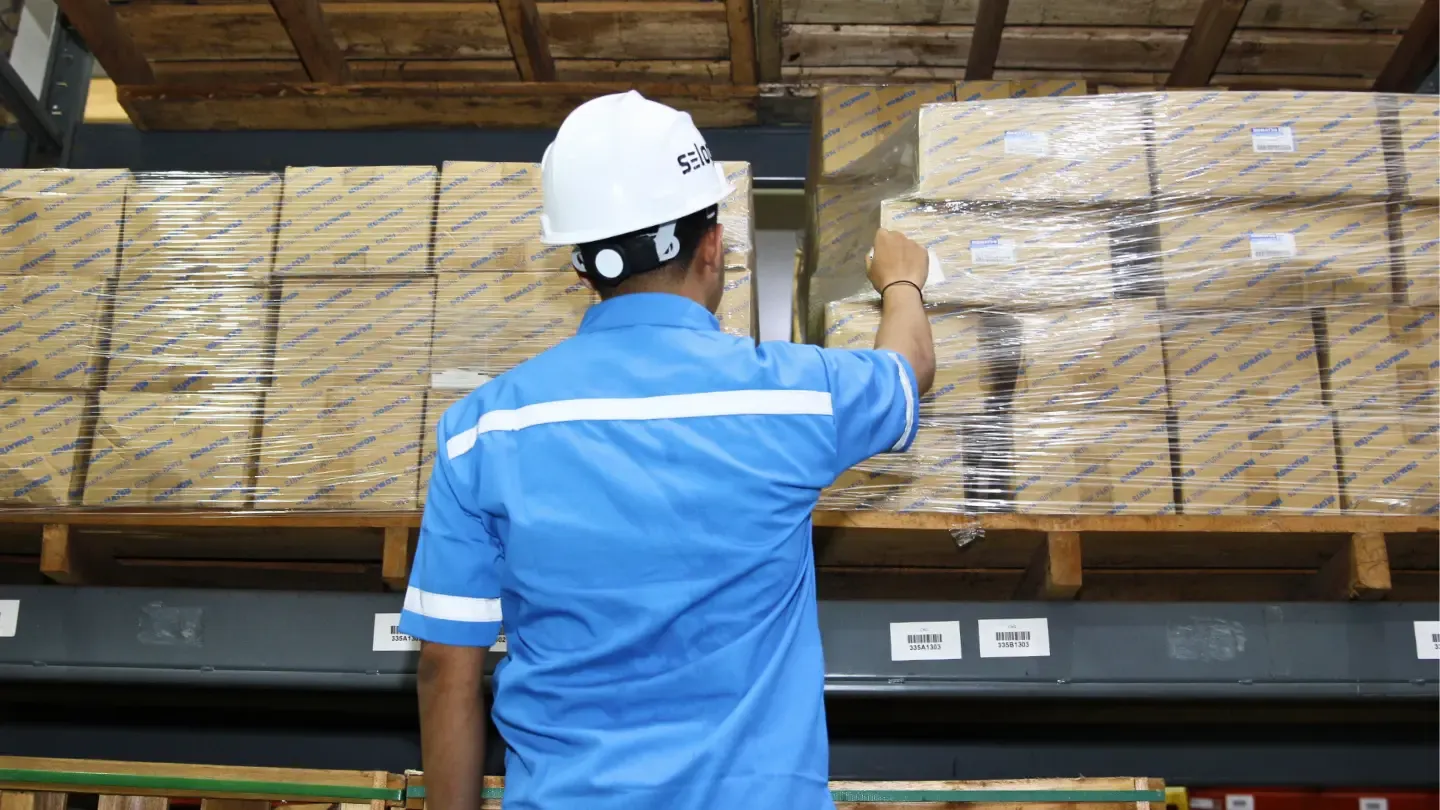
The Vital Role of Distribution Centers as the Heart of Modern Logistics

Information & Tips
11 September 2026
List of the 10 Largest Ports in Indonesia
Article Category
Information & Tips
16 September 2026
The Use of the Internet of Things IoT in Logistics Warehouse Management
Information & Tips
15 September 2026
The Vital Role of Distribution Centers as the Heart of Modern Logistics
Information & Tips
11 September 2026
List of the 10 Largest Ports in Indonesia
Information & Tips
9 September 2026
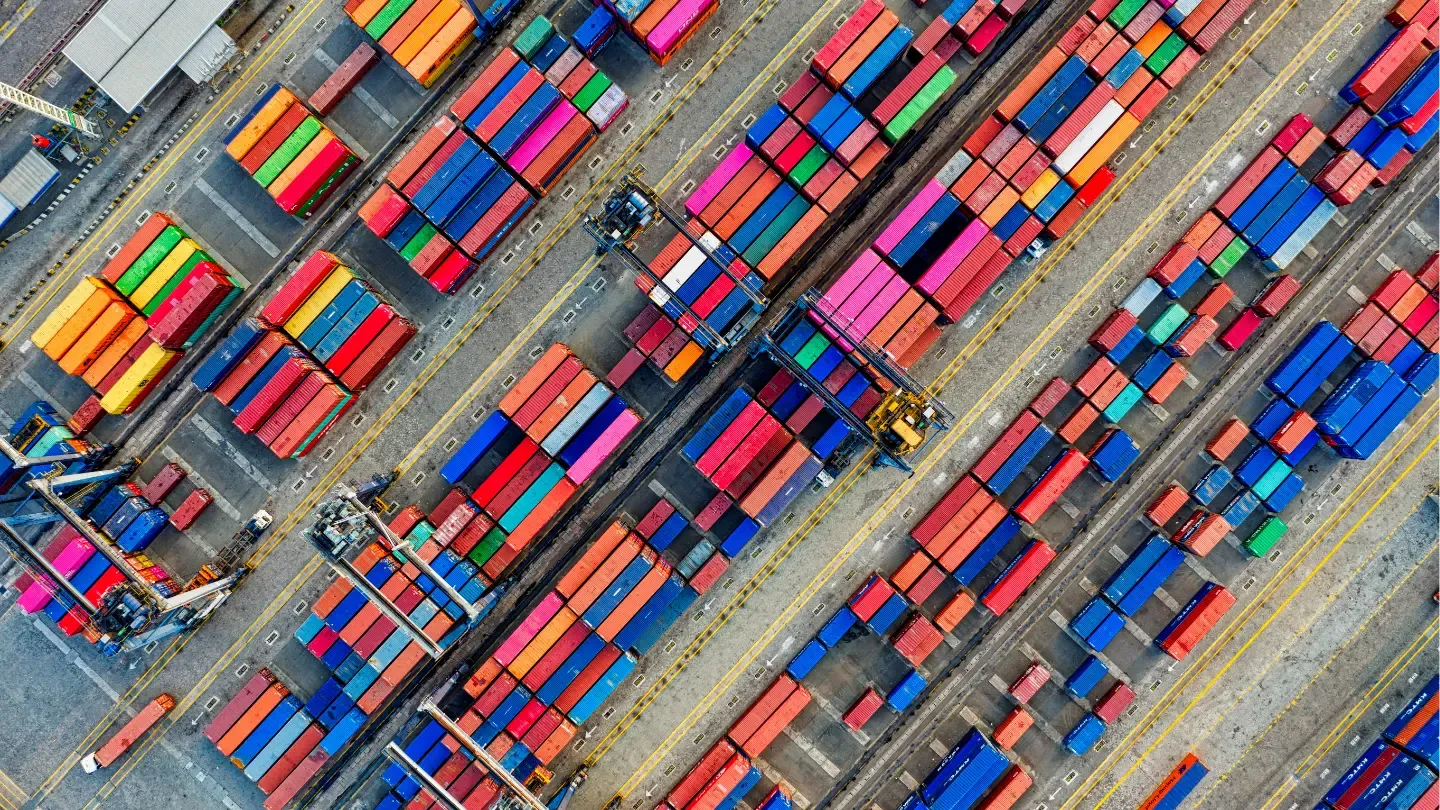
Dwelling Time A Key Factor in Logistics Distribution Efficiency
Information & Tips
7 September 2026
Understanding Dry Ports A Solution to Congestion at Major Ports
Information & Tips
26 Agustus 2026
How to Choose the Right Export-Import Freight Forwarder
Information & Tips
24 Agustus 2026
CDD Long TrucksFunctions and Types
Information & Tips
21 Agustus 2026
The Difference Between a Wharf and a Port Dont Confuse the Two

Information & Tips
19 Agustus 2026
The Most Essential Logistics Services for the Palm Oil Industry

Information & Tips
14 Agustus 2026
7 High-Value Palm Oil Products
Make sure you have the latest SELOG and Logistics information updates
Please enter your email to get the latest news or articles from us.