
Information & Tips
30 Juni 2026
5 Indonesian Agricultural Products Leading the Export Market
Indonesia is widely recognized as an agrarian nation with abundant natural resources. Indonesia’s agricultural sector plays a key role not only in meeting domestic needs but also as one of the largest contributors to the country’s foreign exchange earnings through exports.
Supported by its tropical climate, vast arable land, and rich biodiversity, Indonesia holds a significant competitive advantage in producing a wide range of high-value agricultural commodities that are in high demand globally.
As global demand continues to rise across food products, industrial raw materials, and renewable energy, the agricultural sector offers a strategic opportunity to drive national economic growth.
Various Indonesian agricultural products have successfully penetrated international markets and become mainstays of the country’s exports. Here are five top commodities with high export value.
1. Coffee
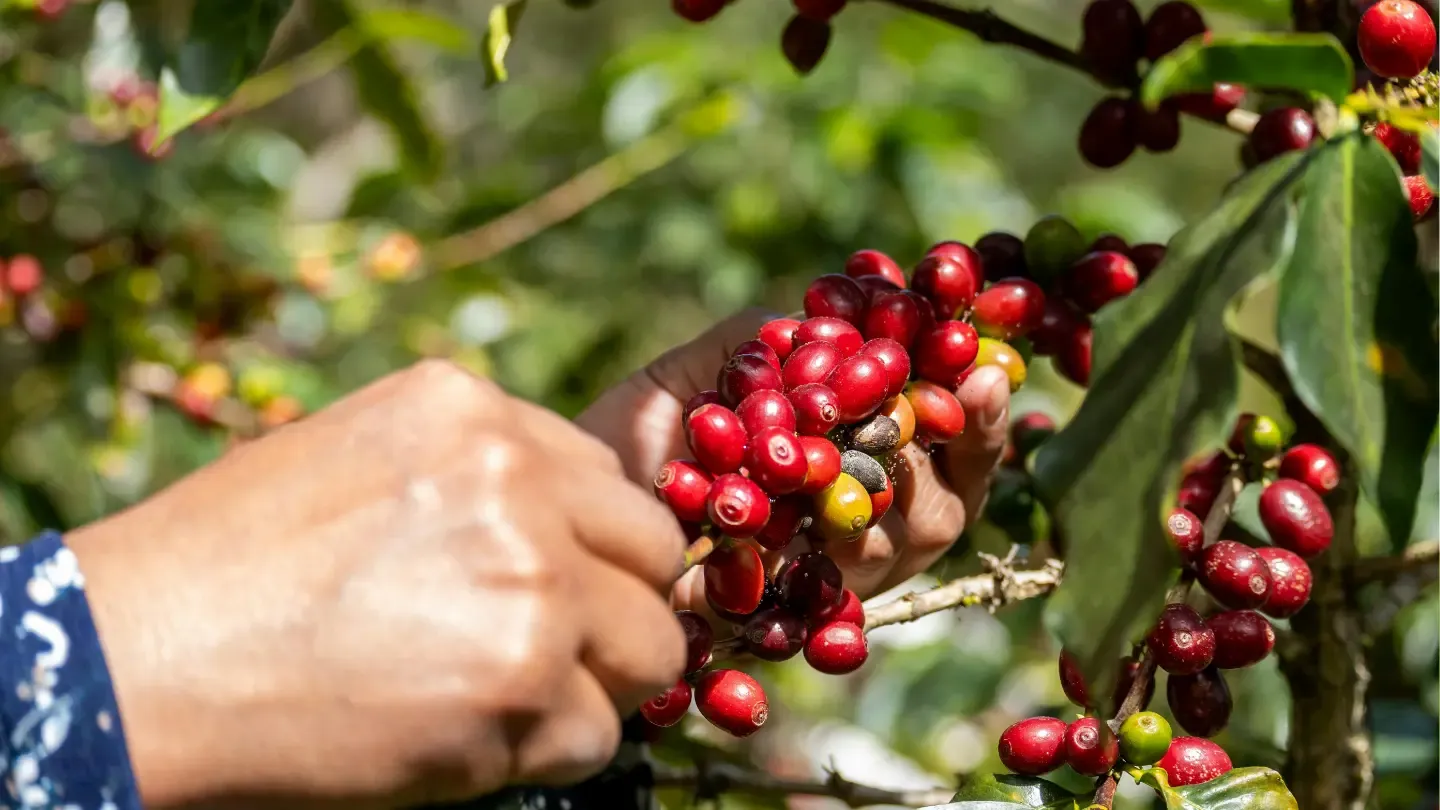
Indonesia is one of the world’s largest coffee producers. Diverse varieties, such as Toraja, Gayo, and Luwak coffee, are renowned for their distinctive and complex flavor profiles.
Indonesian coffee is in high demand across Europe, the United States, and Asia for its bold, authentic taste. Consistent quality and varietal diversity are also the driving forces behind its competitiveness in the global market.
2. Cloves
As a spice native to the Indonesian archipelago, cloves command high economic value and enjoy steady demand. Beyond their culinary applications, cloves are also widely utilized in the pharmaceutical and cosmetics industries.
Indonesia’s primary export markets for cloves include India, the United Arab Emirates, and Singapore.
3. Palm Oil
Palm oil is one of Indonesia’s largest export commodities, with a significant contribution to the country’s foreign exchange earnings. Its derivatives are widely used across the food, cosmetics, and bioenergy industries.
Indonesia accounts for more than half of the world’s total palm oil production, with its primary markets including India, China, and Pakistan.
4. Cacao
Indonesia ranks among the world’s largest cacao producers. This commodity serves as a key raw material for the global chocolate industry, with annual export values reaching billions of dollars.
Indonesian cocoa is widely exported to the United States, Europe, and several Asian countries, with demand continuing to grow.
5. Rubber
Rubber is an important commodity used across a wide range of industries, including automotive and manufacturing. As one of the world’s largest rubber producers, Indonesia serves key export markets including the United States, Japan, and China.
Steady global demand has made rubber a backbone of Indonesia’s agricultural exports.
Challenges in the Agricultural Sector
Despite its immense potential, Indonesia’s agricultural sector faces persistent challenges, including:
- Global price volatility impacting producer revenue
- Suboptimal productivity due to limited technological integration
- Disparities in logistics infrastructure
- Sustainability concerns, particularly regarding commodities such as palm oil
- The impacts of climate change on crop yields
These challenges highlight the urgent need for adaptation and innovation to ensure the sector remains competitive in the global market.
Opportunities and the Future of Indonesian Agriculture
Indonesia’s agricultural sector promises a bright future. The adoption of technologies, such as digital agriculture, mechanization, and the development of high-value-added derivatives can significantly enhance its competitive edge in international markets.
In addition, the global trend toward eco-friendly and organic products presents new opportunities for Indonesia’s agricultural exports.
By leveraging innovations, technologies, and integrated logistics systems, the sector has the potential to become a driving force behind Indonesia’s future economic growth.
Ultimately, strengthening the supply chain through integrated logistics remains essential to ensuring efficient and timely distribution.
Logistics Solutions for the Agricultural Sector by SELOG
In maintaining the quality of agricultural products from farm to global markets, logistics plays a crucial role.
SELOG, a business line of PT Serasi Autoraya (SERA) and part of the Astra Group, stands as a reliable logistics partner for you with 20 years of experience in the logistics industry.
SELOG offers a comprehensive and end-to-end logistics service needs, ranging from Trucking, Shipping Services, Freight Forwarding, and Warehousing to Project Cargo.
Every SELOG’s service is supported by Astra Fleet Management Solution (AstraFMS), which brings greater convenience, effectiveness, and efficiency to your business.
With AstraFMS technology, SELOG provides comprehensive IT-based solutions for transportation management in Indonesia.
For more information about SELOG services, please visit www.selog.astra.co.id/en or contact us at (021) 26605333. You can also follow SELOG on social media.
- Instagram: @selog_astra
- LinkedIn: SELOG
Information & Tips
12 Agustus 2026
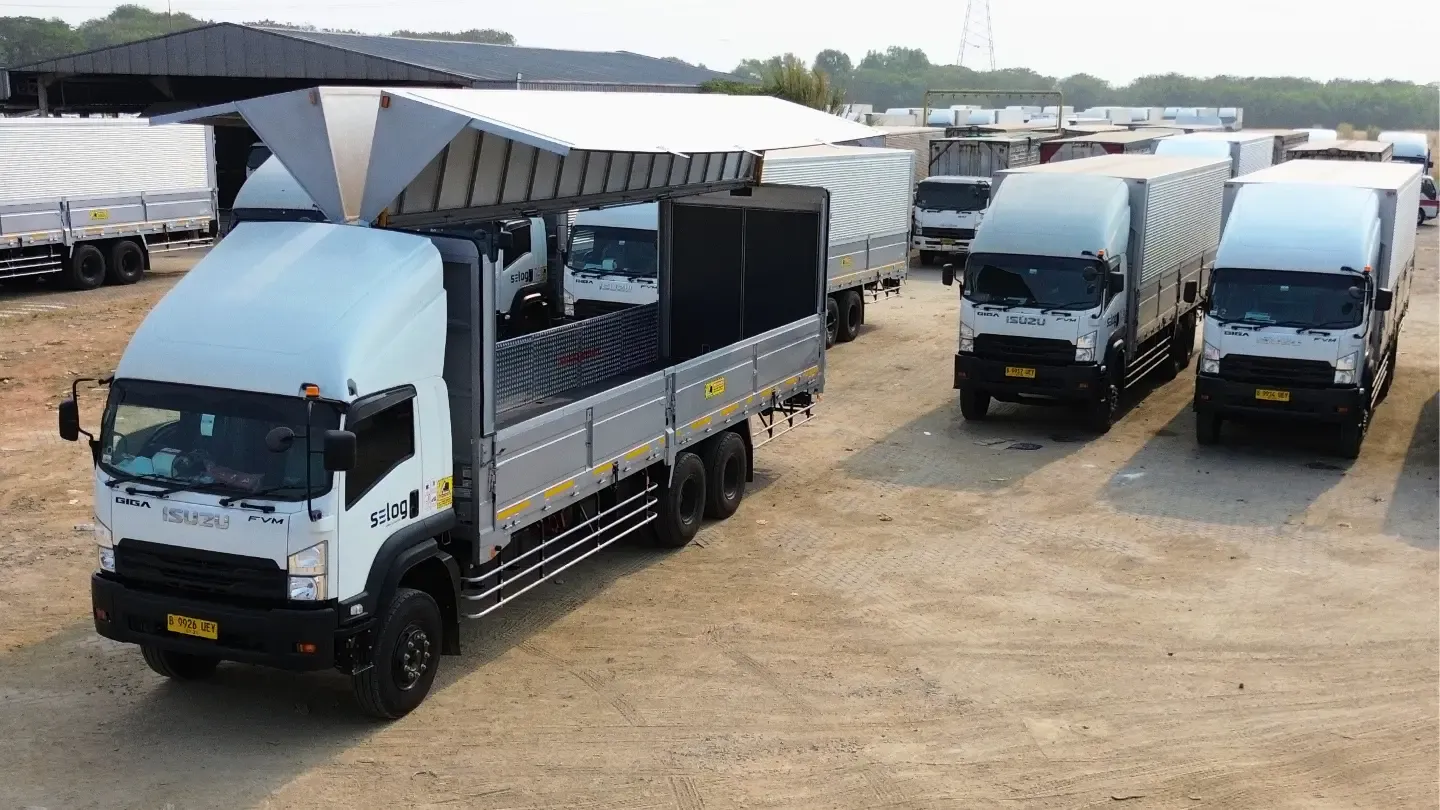
Types of Box Trucks and Their Advantages for Shipping Goods
Information & Tips
10 Agustus 2026
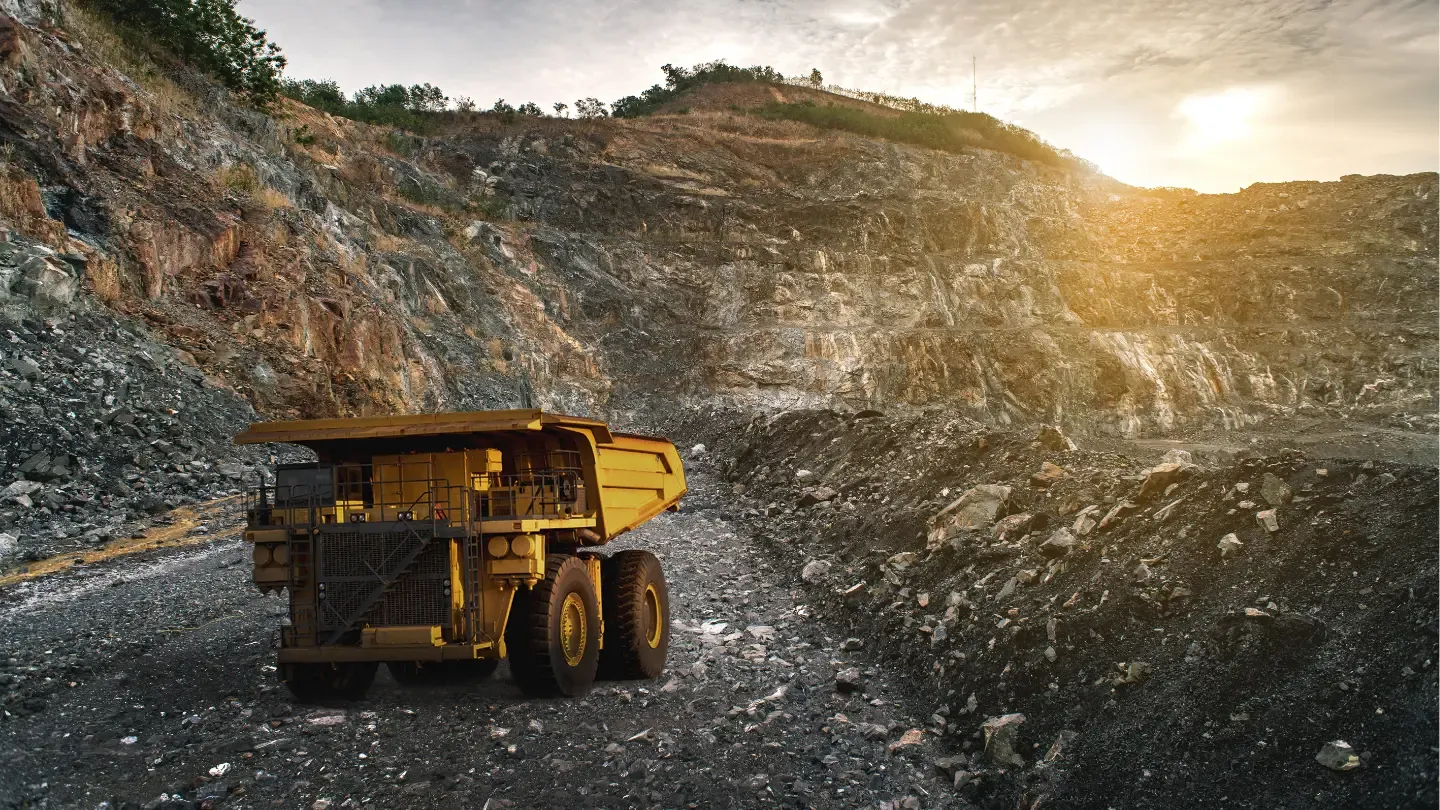
Understanding Mining Trucks and Their Types
Information & Tips
7 Agustus 2026
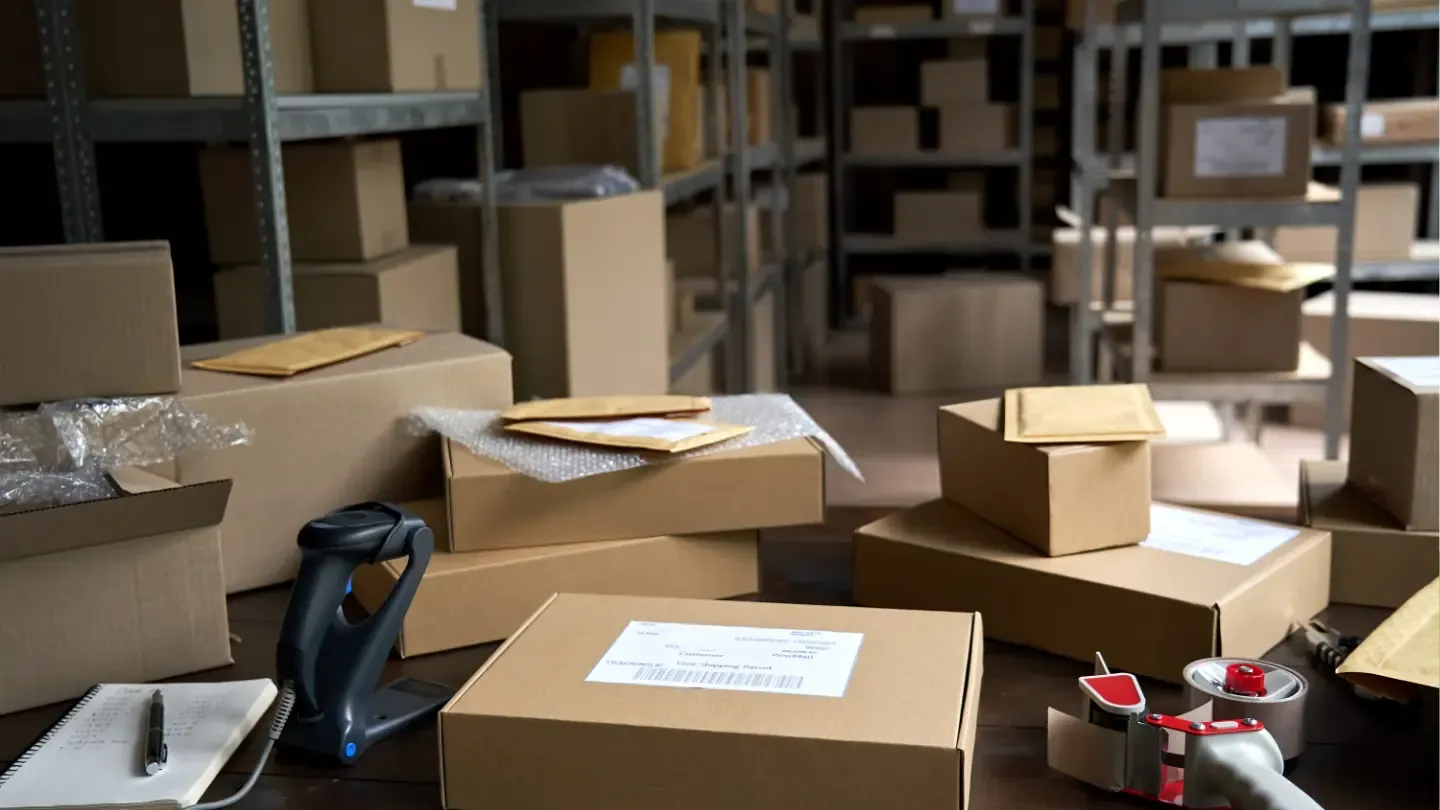
Heres the Difference Between Dropshippers and Resellers
Information & Tips
5 Agustus 2026
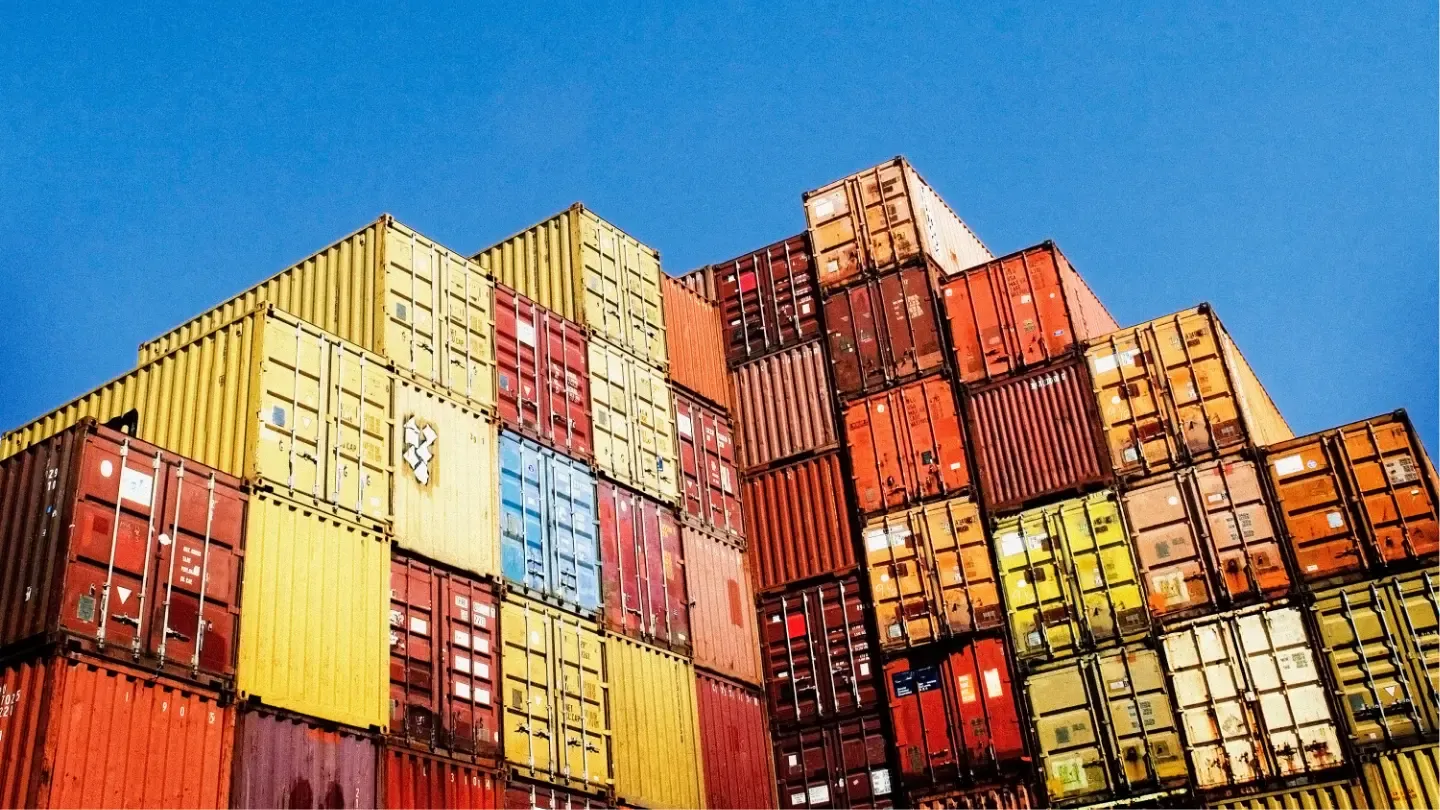
What You Need to Know About Container Ports
Information & Tips
3 Agustus 2026
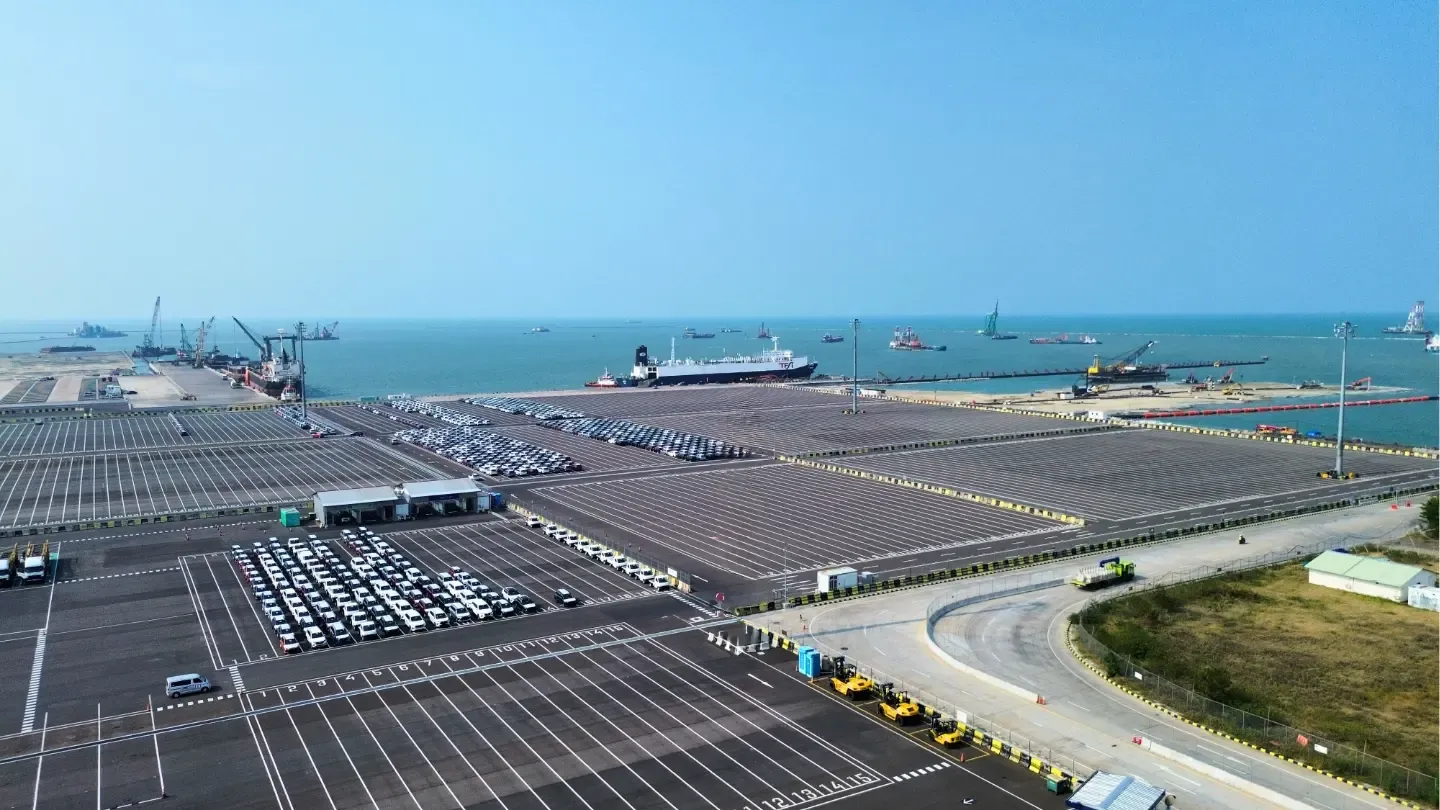
Patimban Port Finally Able to Handle Imports
Information & Tips
30 Juli 2026
13 Important Terms in Freight Shipping
Information & Tips
29 Juli 2026
Heres the Difference Between Cargo and Regular Shipping
Information & Tips
27 Juli 2026
How to Safely Ship Heavy Equipment Between Islands
Information & Tips
22 Juli 2026
Tips for Managing High-Volume Shipments More Efficiently
Information & Tips
20 Juli 2026
The Potential for FMCG Imports and the Challenges Involved
Make sure you have the latest SELOG and Logistics information updates
Please enter your email to get the latest news or articles from us.