

Information & Tips
7 Februari 2025
What You Need to Know About Warehouses and Its Types in the Logistics Industry
In our daily lives, warehousing and transportation activities play a major role in ensuring the availability of the products we consume.
When conducted seamlessly and efficiently, both activities significantly impact the prices of products used daily. The essential role of warehousing and transportation not only directly affects consumer needs but also contributes greatly to national economic growth.
Warehouse and transportation in the logistics industry can be likened to the bloodstream in the human body, delivering oxygen through the veins.
Their roles are inseparable, as they are part of an effective delivery process through the available routes: by land, sea, or air. This, in turn, becomes a key factor in promoting equitable economic growth.
According to data from the Central Statistics Agency (BPS) in 2022, the warehousing and transportation sectors grew by 19.87 percent, the highest compared to other sectors.
Meanwhile, they recorded 15.93 percent growth in Q1 2023,another highest achievement among the remaining economic sectors.
Warehouse Definition and Functions
So, what exactly is a warehouse? Simply put, a warehouse can be defined as a place to store various types of goods, including raw materials, semi-finished goods, and finished products.
It functions primarily to store goods following the operational standards, which include storage regulations and information regarding the quantities of incoming and outgoing goods.
Storing goods in warehouses allows the companies to obtain accurate information about their current stock and inventory needs.
This clearly helps manage the supply of market-ready raw materials, available stock, and goods. Additionally, warehouses assist companies in aligning product absorption in the market.
In the context of production, warehouses are crucial for storing unsold goods. Warehouses are ideal to store products before being distributed to distributors.
In export activities, warehouses also function as a transit point for goods awaiting their scheduled shipment overseas.
In general, a warehouse’s functions include storing goods, distribution centers, terminal consolidations, and places for unloading and handling goods. All these functions are interconnected and support overall logistics operations.
Warehouses Types
Given their crucial functions, warehouses are divided into several types, including raw material warehouses (storage for raw materials), in-process warehouses (storage for goods in the production process), and finished goods warehouses (storage for final products).
Considering the importance of warehouses, business players must choose the right storage services to ensure smooth business operations and maximize profits. The storage process must be carried out quickly, accurately, effectively, and efficiently.
Choosing a Trusted Warehouse Provider
Now you know why you can’t just randomly pick a logistics or warehouse service provider. Prioritize one with professionalism and reputation like PT Serasi Logistik Indonesia, known as SELOG.
As part of PT Serasi Autoraya business line and Astra Group, SELOG is widely known as the leading logistics company in Indonesia.
SELOG is designed to meet customer needs for end-to-end logistics services with diverse offerings. These include Contract Logistics, Shipping Services, Shipping Agency, Freight Forwarding, Warehouse, and Yard Management.
For heavy equipment delivery, SELOG utilizes various types of transportation modes, ensuring safety and on-time delivery. It also employs Warehouse Management System (WMS) technology, enabling consumers to track goods in real-time and consolidate inventory.
SELOG services are also supported by cutting-edge digital technology, which makes customers’ businesses easier, more effective, and more efficient.
With its Astra Fleet Management Solution (Astra FMS), SELOG offers an IT-backed, all-in-one solution for vehicle management.
For more information, go to www.selog.astra.co.id or contact (021) 26605333.
Latest Article
Information & Tips
23 November 2026
What You Need to Know About Cargo Insurance
Information & Tips
20 November 2026
Practical Tips for Stacking Goods on Pallets for Safe Shipping
Information & Tips
18 November 2026
Understanding SMK PAU and How to Assess Safety Standards in the Trucking Industry
Article Category
Information & Tips
23 November 2026
What You Need to Know About Cargo Insurance
Information & Tips
20 November 2026
Practical Tips for Stacking Goods on Pallets for Safe Shipping
Information & Tips
18 November 2026
Understanding SMK PAU and How to Assess Safety Standards in the Trucking Industry
Information & Tips
16 November 2026
Tips for Managing Your Delivery Schedule to Keep Operations Running Smoothly During the Christmas an

Information & Tips
13 November 2026
Fleet Management System for Trucks More Than Just GPS Tracking

Information & Tips
11 November 2026
Types of Shipping Documents You Need to Know
Information & Tips
9 November 2026
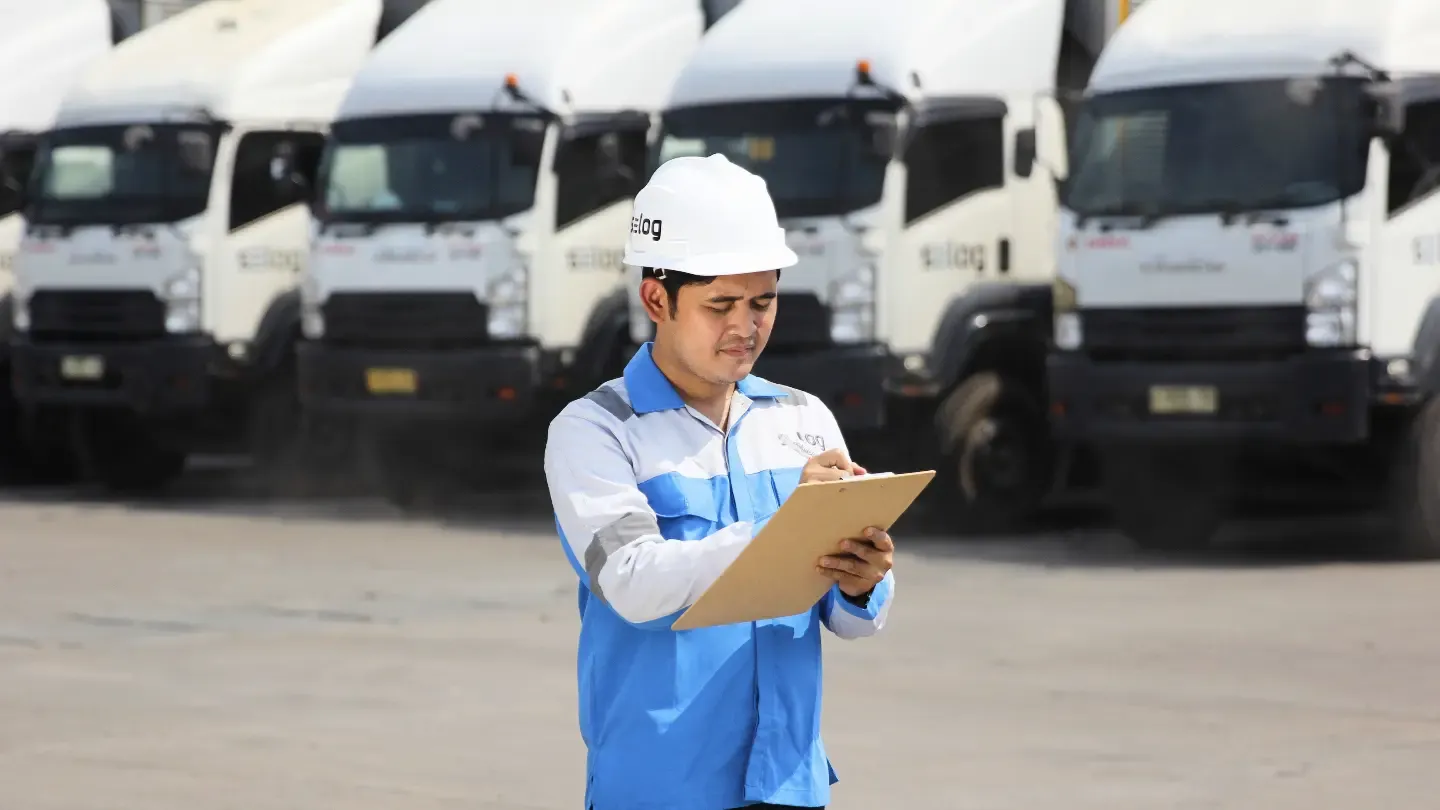
How to Calculate Truck Shipping Costs
Information & Tips
6 November 2026
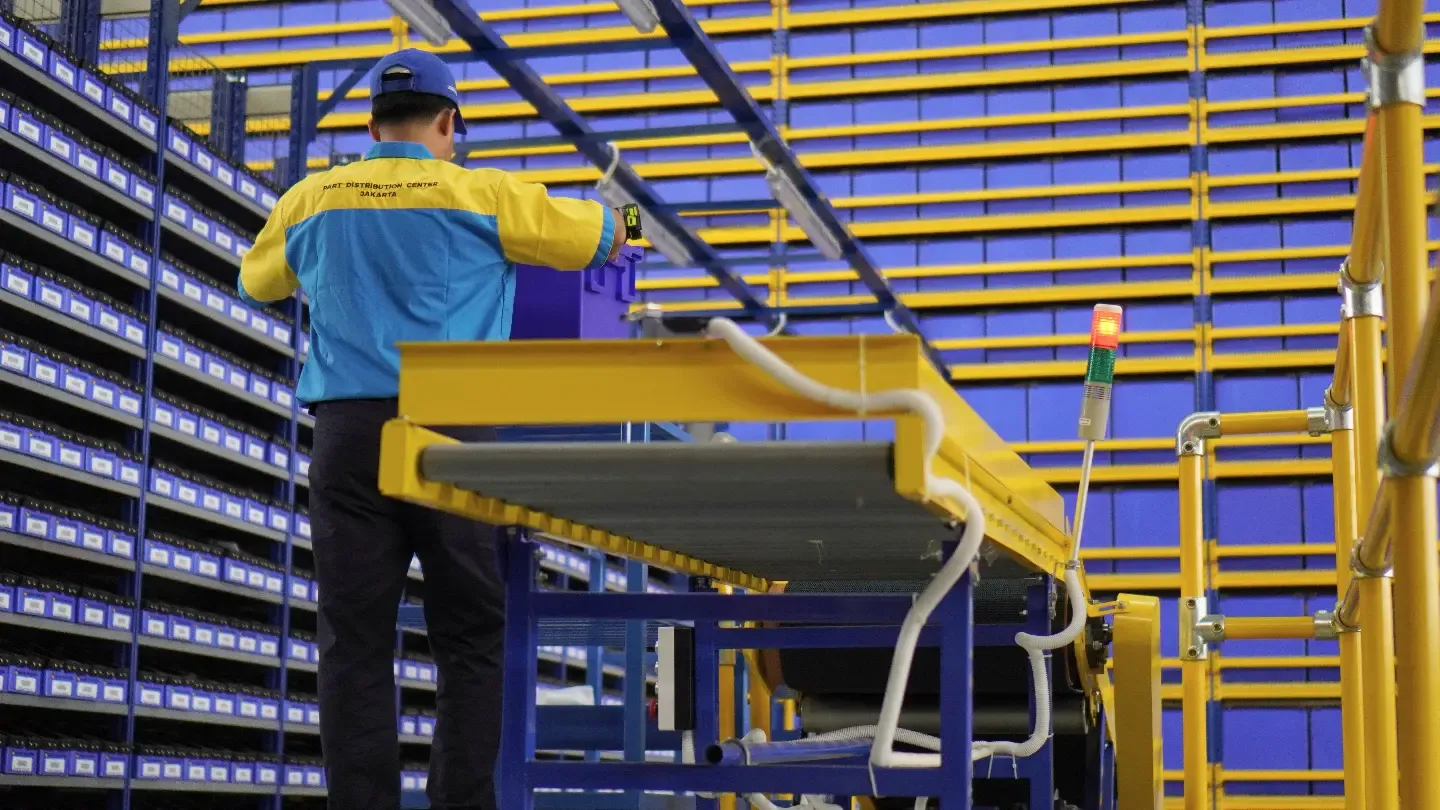
Understanding FIFO, FEFO, and LIFO Inventory Issuance Methods in Warehouses
Information & Tips
4 November 2026
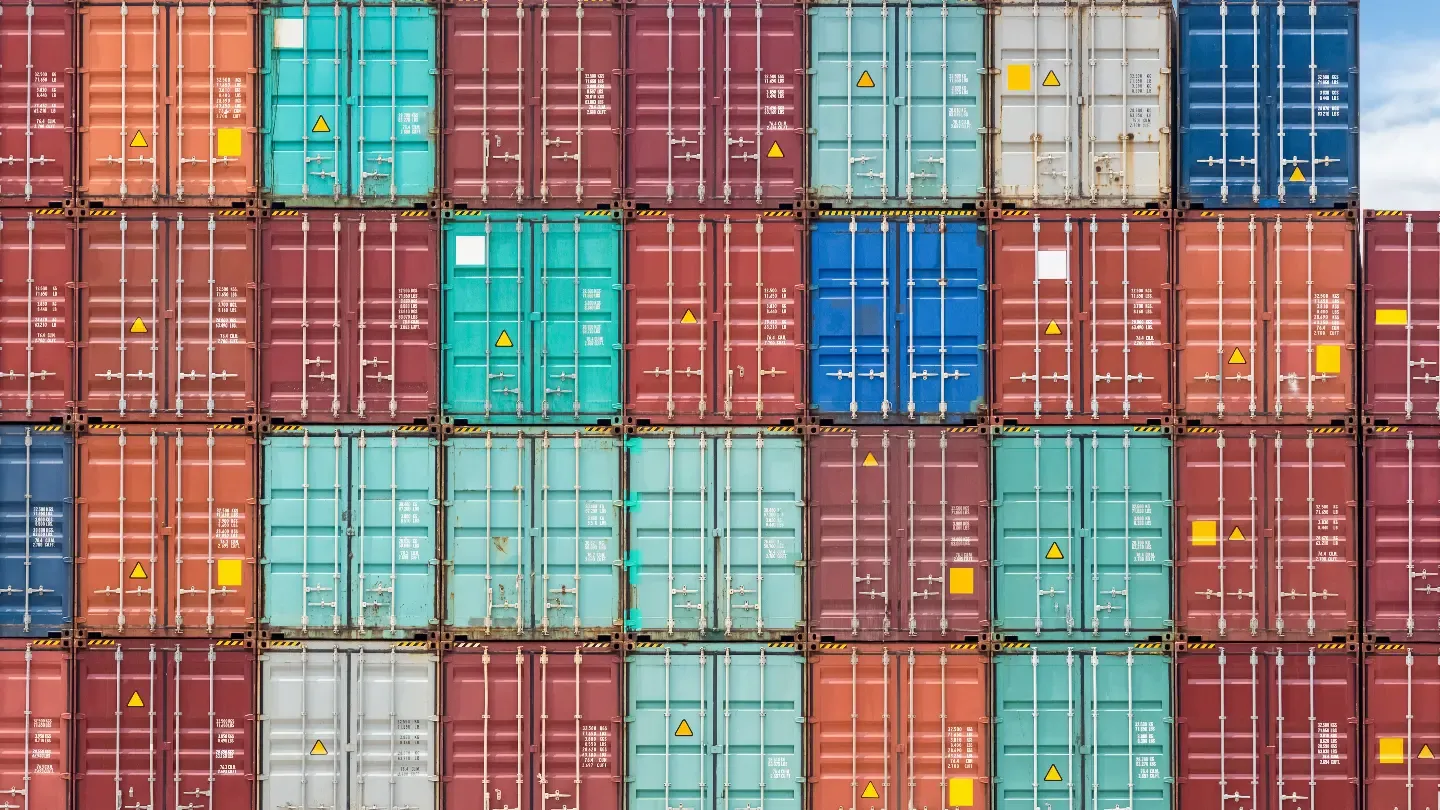
20-feet, 40-feet, and 40 HC Container Sizes Which One Is Right for You
Information & Tips
3 November 2026
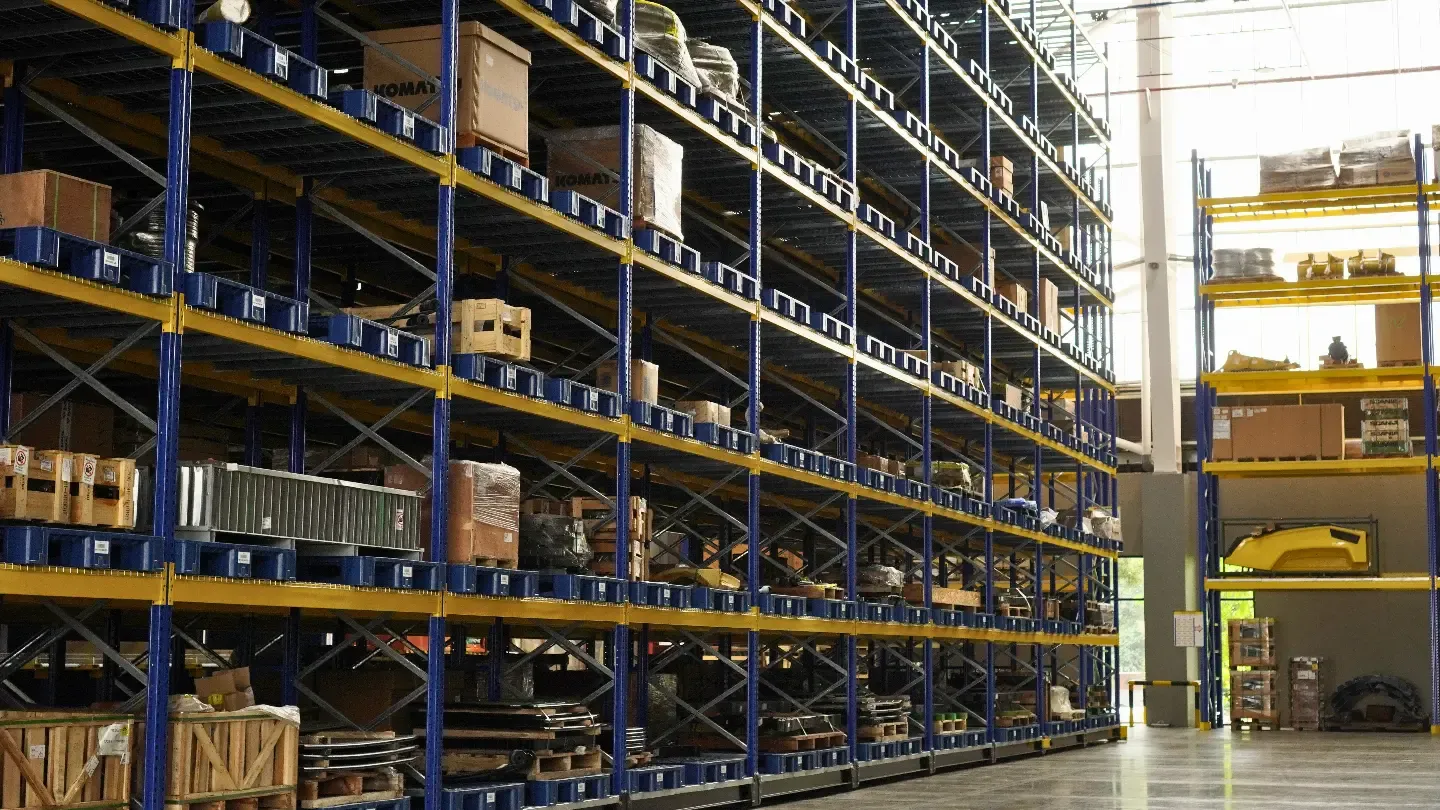
Warehouse Layout Tips for Faster and More Efficient Picking
Make sure you have the latest SELOG and Logistics information updates
Please enter your email to get the latest news or articles from us.