
Information & Tips
5 Agustus 2026
What You Need to Know About Container Ports
In logistics, container ports play a very important role, especially for the distribution of goods by sea.
Especially for Indonesia, as an archipelago, container ports are clearly a key part of the infrastructure for maintaining a smooth supply chain, both for domestic needs and international trade.
What exactly is a container port? How does it differ from a regular cargo port? Here’s a complete explanation.
What Is a Container Port?
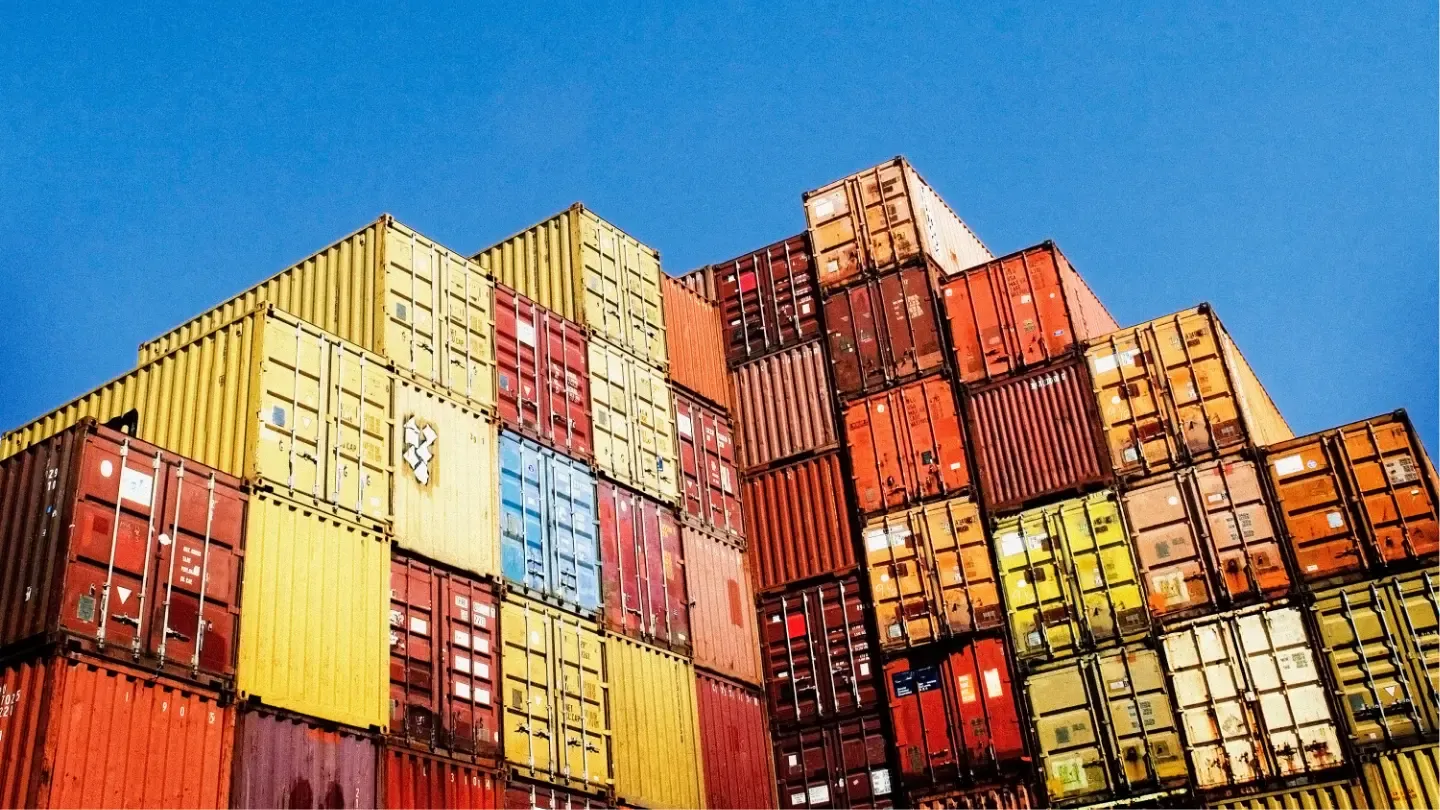
A container port is a port specifically designed to handle the loading and unloading of goods packed in containers.
These ports are equipped with various modern infrastructures such as container yards, container cranes, reach stackers, and integrated terminal management systems.
These facilities enable the transfer of containers from ships to storage areas or to land-based modes of transportation to be faster, safer, and more efficient.
In Indonesia, not all ports have container terminals. These facilities are generally available at major ports such as Tanjung Priok Port, Tanjung Perak Port, Belawan Port, and Patimban Port.
Differences Between Container Ports and Cargo Ports
Although both handle loading and unloading activities, container ports and cargo ports serve different functions.
Cargo ports generally handle bulk cargo, such as coal, cement, fertilizer, mineral ore, and agricultural products.
All of these cargoes are transported without containers, requiring different handling methods.
Meanwhile, container ports handle goods that have been packed into standard-sized containers, such as 20-foot or 40-foot containers. This standardization also offers several advantages, such as:
- Faster loading and unloading processes
- Better protection of goods from the weather and the risk of damage
- Easier tracking, as each container has an identification number
- Simplified intermodal transfers, from ships to trucks to trains
For these reasons, the use of containers has now become the standard in international trade and inter-island distribution.
How Important Are Container Ports?
Container ports offer numerous benefits to the logistics and trade sectors, including:
Speeds Up Loading and Unloading
The use of container cranes allows containers to be moved quickly so that ships can resume their voyages without having to dock for too long.
Ensures Cargo Safety
Containers protect goods from rain, heat, impacts, and the risk of loss during distribution.
Supports Multimodal Transportation Systems
The standardized size of containers facilitates the transfer of goods from ships to trucks or freight trains without the need to unload the cargo.
Supporting Various Shipping Schemes
Container ports can accommodate various distribution needs, such as:
- FCL (Full Container Load) for a single shipper using a full container.
- LCL (Less than Container Load) for shipping goods from multiple shippers in a single container
Strengthening Interregional Connectivity
As an archipelagic nation, Indonesia relies heavily on maritime transportation. Container ports serve as the primary hubs for distributing goods to various regions, including Kalimantan, Sulawesi, Nusa Tenggara, Maluku, and Papua.
How Does the Loading and Unloading Process Work at a Container Port?
To ensure smooth distribution, every container at a container port must go through several operational stages. These include the following.
Ship Berthing
Container ships enter the dock according to a schedule set by port authorities.
Container Loading and Unloading
Container cranes move containers from the ship to the container yard or vice versa.
Document Verification
Each container is verified against shipping documents, such as the Bill of Lading (B/L), Cargo Manifest, and customs documents for export and import activities.
Temporary Storage
Containers are arranged in a temporary storage area while awaiting the next stage of distribution.
Distribution to Final Destination
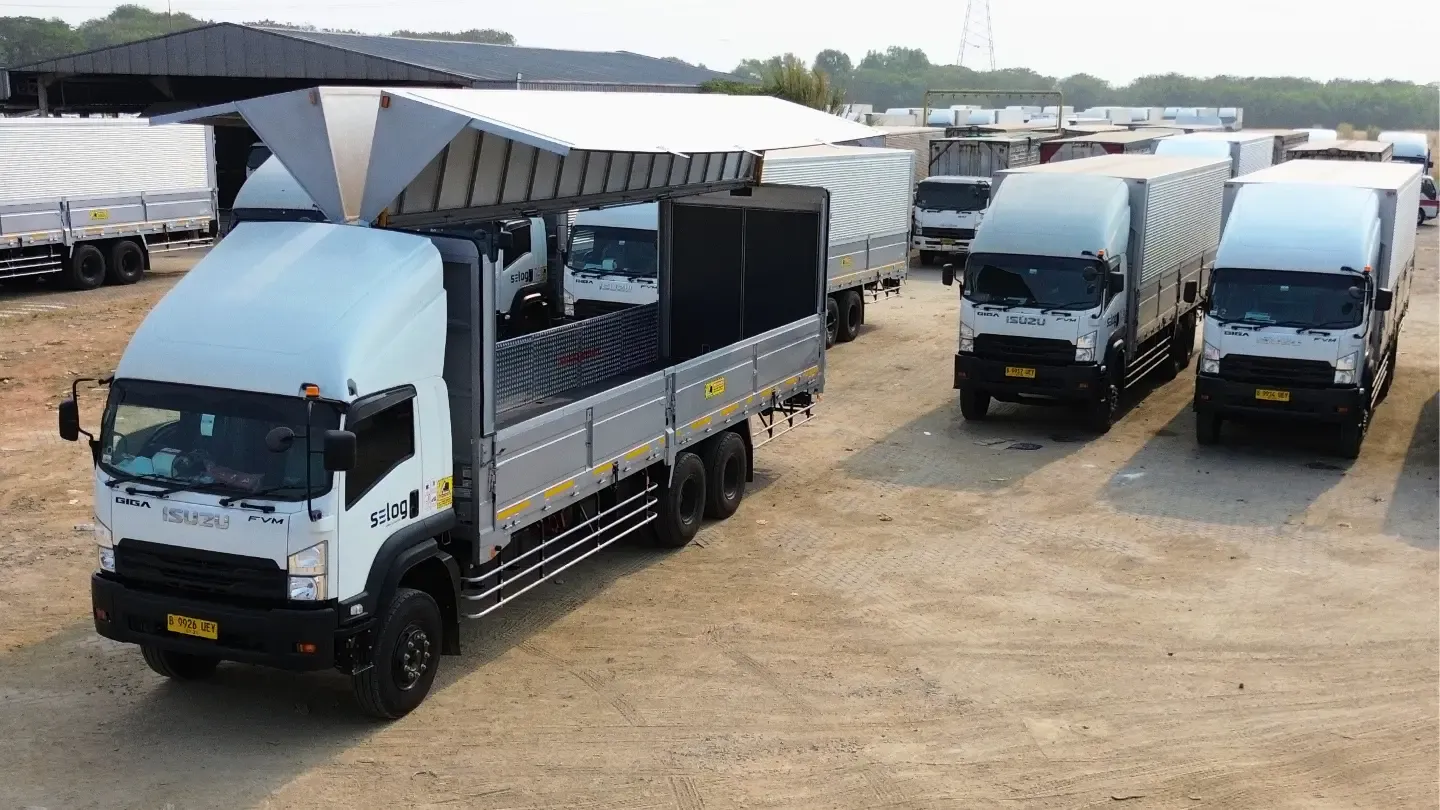
Once all administrative processes are complete, containers are transported via trailer trucks or freight trains to warehouses, distribution centers, or directly to customer locations.
Inter-Island Goods Distribution with SELOG Shipping
Understanding how container ports operate is the first step toward building a more efficient distribution system.
However, the success of a shipment also depends on choosing a logistics partner capable of managing the entire process end-to-end.
One logistics company worth considering is SELOG, a business unit of PT Serasi Autoraya (SERA), which is also part of the Astra Group.
With over 20 years of experience in the logistics industry, SELOG is here to meet the need for end-to-end logistics services, ranging from trucking, shipping, freight forwarding, warehousing, to project cargo.
SELOG’s shipping services are available in two options: shipping services and shipping agency, which can accommodate both domestic and international shipments.
There are several advantages to these services, including monthly shipment scheduling to manage vessel schedules, 24-hour monitoring of vessel operations, and structural design, materials, and ramp door widths capable of withstanding heavy cargo loads.
In addition, SELOG’s services are supported by the Astra Fleet Management Solution (AstraFMS), a digital technology that not only simplifies operations but also enhances business effectiveness and efficiency.
For more information about SELOG’s services, visit the website www.selog.astra.co.id or call (021) 26605333. Also, follow SELOG’s official social media accounts.
- Instagram: @selog_astra
- LinkedIn: SELOG



News
15 April 2025
SELOG Receives 3 Innovation Awards from TAM

News
15 April 2025
Becoming Halal Certified, SELOG Strengthens Its Halal Products Distribution in Indonesia

Information & Tips
News
7 Februari 2025
SELOG Achieves SMK PAU Certification
Make sure you have the latest SELOG and Logistics information updates
Please enter your email to get the latest news or articles from us.