
Information & Tips
7 Agustus 2026
Heres the Difference Between Dropshippers and Resellers
Running an online business is now easier than ever—even without a physical store. With just a smartphone, an internet connection, and the right products, you can start building a business from home. Two business models worth trying are dropshipping and reselling.
Simply put, both involve reselling products from a supplier directly to consumers.
However, there are differences in how the businesses are run—particularly regarding capital, inventory, order management, and the shipping process. To help clear up any confusion, here’s a comprehensive guide to dropshipping and reselling.
What Is a Dropshipper?
A dropshipper is a business owner who sells a supplier’s products without needing to maintain their own inventory. When a purchase is made, they can immediately forward the order details to the supplier for processing.
The supplier then prepares, packages, and ships the product directly to the customer on behalf of the store or dropshipper.
This business model is quite attractive for beginners because the startup capital is relatively low. This is because dropshippers don’t need to purchase large quantities of inventory or provide a warehouse to store goods. The risk of loss due to unsold inventory is also lower since products are only processed after an order is received.
What Is a Reseller?
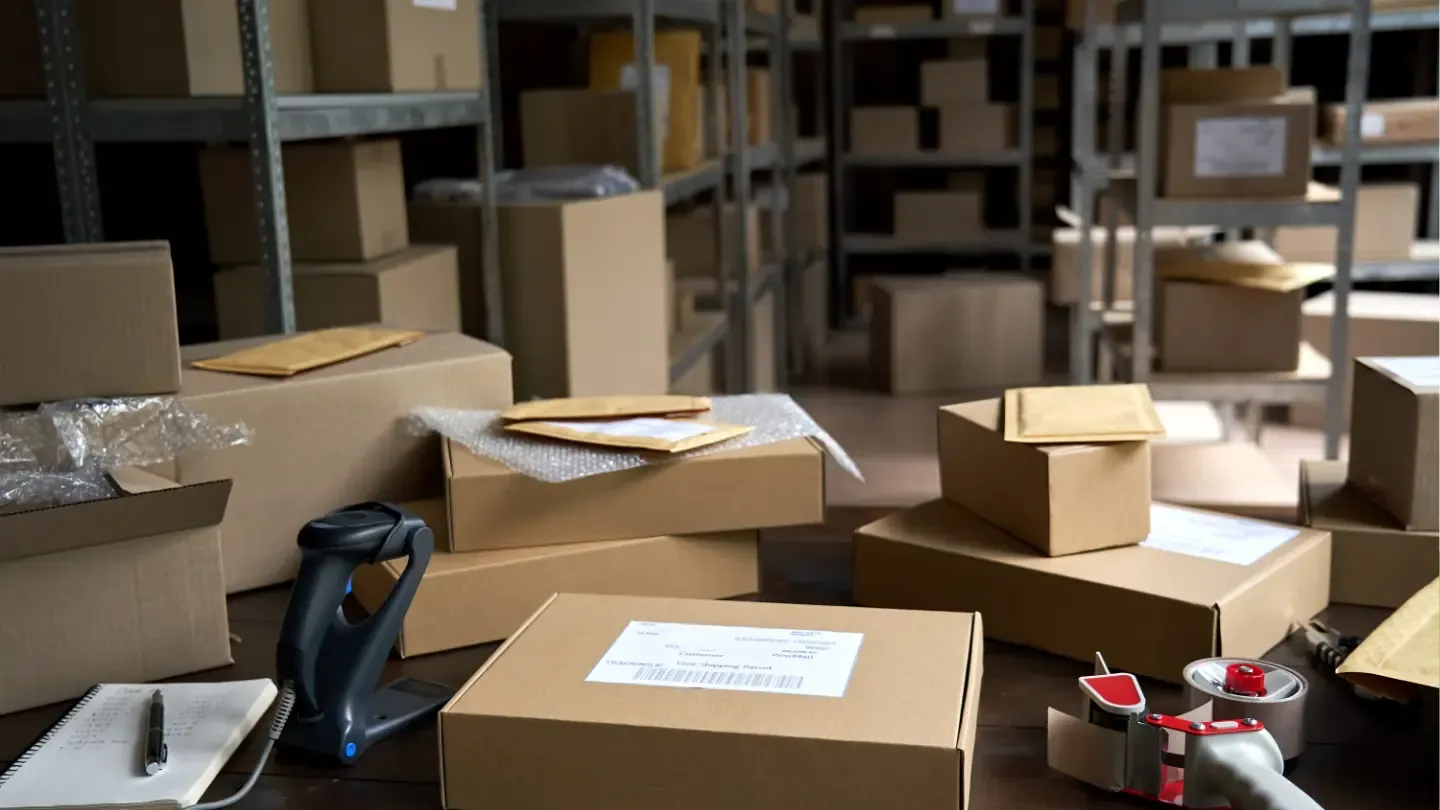
Meanwhile, a reseller is a business owner who purchases products from suppliers or manufacturers to resell to consumers. By purchasing products in advance, resellers maintain their own inventory. This means they bear full responsibility for storage, quality control, packaging, and managing the shipping process.
This model does require a larger initial investment. However, resellers have greater control over the products they sell.
Differences Between Dropshippers and Resellers
Inventory Ownership
- Dropshipper: No need to store goods because inventory and order fulfillment are handled by the supplier
- Reseller: Must purchase and store inventory before selling it to customers
Initial Capital
- Dropshipper: Relatively lower since there’s no need to purchase goods. Expenses are typically limited to marketing and store operations.
- Reseller: Requires capital to purchase products, secure storage space, prepare packaging, and manage shipping
Control Over Products
- Reseller: Has greater control since the goods are already their property. This allows products to be inspected before being shipped to customers
- Dropshipper: Has no direct control over the goods. Consequently, product quality, inventory availability, and the packing process are highly dependent on the supplier
Shipping Process
- Dropshipper: Suppliers typically ship goods directly to customers on behalf of the dropshipper
- Reseller: Must manage the shipping process independently, including selecting the shipping service and method
Business Risks
- Reseller: Vulnerable to the risk of excess inventory or unsold products since the items were purchased upfront
- Dropshipper: Risks are directly tied to the supplier, such as sudden stockouts, shipping delays, or product quality that falls short of expectations. If there are issues, the dropshipper is still affected because customers transact through their store
How Dropshippers and Resellers Operate
Dropshipper:
- Select products from suppliers
- Market products through marketplaces, websites, or social media
- Receive orders from customers
- Forward order details to suppliers
- Suppliers prepare and package the goods
- Suppliers ship goods directly to customers on behalf of the dropshipper
Reseller:
- Select products and suppliers
- Purchase products in specific quantities
- Store products as inventory
- Market products to customers
- Receive orders
- Pack and ship goods to customers
From this process, it’s very clear that resellers have greater operational responsibilities. Conversely, dropshippers can run their business with a simpler process because most order-related activities are handled by the supplier.
Which Is a Better Fit: Being a Dropshipper or a Reseller?
No business model is absolutely better than the other. The choice depends on individual circumstances and needs.
If you’re just starting an online business with limited capital, becoming a dropshipper is clearly the top choice. Become a reseller once you have a broader customer base, sufficient capital, a storage facility, and effective marketing strategies to boost sales.
However, whether you’re a dropshipper or a reseller, shipping remains a critical factor that must not be overlooked. Fast and secure shipping plays a vital role in ensuring a positive customer experience that encourages repeat business at your store.
For both dropshippers and resellers, having the right logistics partner can help streamline the distribution process, especially as order volumes increase.
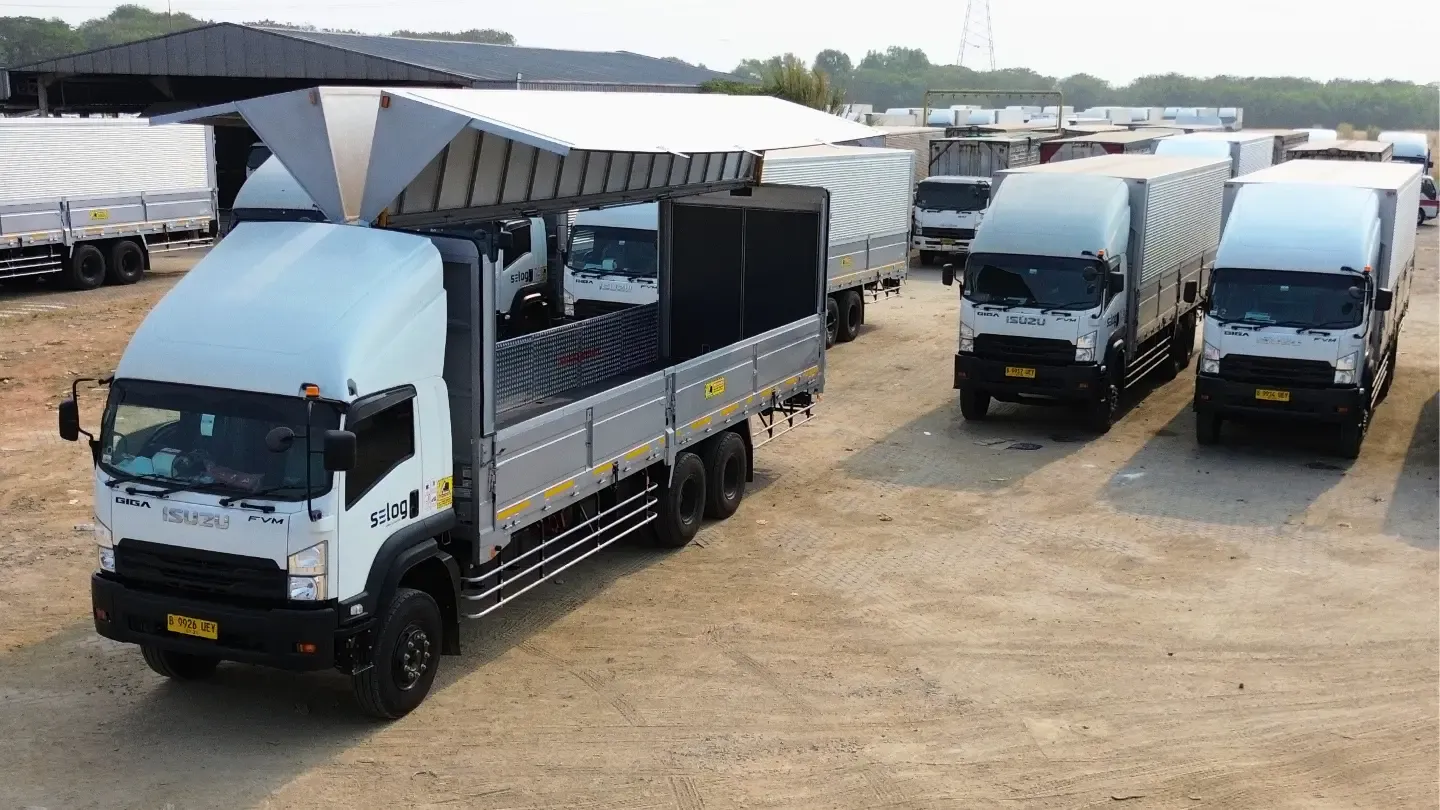
One logistics company that can serve as a strategic partner for your business is SELOG, the logistics division of PT Serasi Autoraya (SERA), which is also part of the Astra Group.
SELOG is here to meet your needs for end-to-end logistics services, ranging from trucking, shipping, freight forwarding, warehousing, to project cargo.
Every SELOG service is supported by the digital technology Astra Fleet Management Solution (AstraFMS), which not only simplifies operations but also enhances business effectiveness and efficiency.
With AstraFMS technology, SELOG provides comprehensive, IT-based solutions for vehicle and transportation management in Indonesia.
For more information about SELOG’s services, visit the official website at www.selog.astra.co.id and follow SELOG on social media:
- Instagram: @selog_astra
- LinkedIn: SELOG


News
15 April 2025
SELOG Receives 3 Innovation Awards from TAM

News
15 April 2025
Becoming Halal Certified, SELOG Strengthens Its Halal Products Distribution in Indonesia

Information & Tips
News
7 Februari 2025
SELOG Achieves SMK PAU Certification
Make sure you have the latest SELOG and Logistics information updates
Please enter your email to get the latest news or articles from us.