
Information & Tips
3 November 2026
Warehouse Layout Tips for Faster and More Efficient Picking
As the year-end peak season approaches, a well-organized warehouse layout can speed up the picking process and minimize errors.
The reason is simple. When order volume increases, warehouse staff or pickers must work harder to ensure every item is shipped.
Therefore, the placement of items, movement routes, and inventory management must be optimally designed so that every order can be processed more quickly and accurately.
There are five steps you can take to organize your warehouse, ranging from streamlining the flow of goods, implementing slotting using ABC analysis, to utilizing a Warehouse Management System (WMS).
5 Tips for an Efficient Warehouse Layout
1. Organize the flow of goods in a single direction
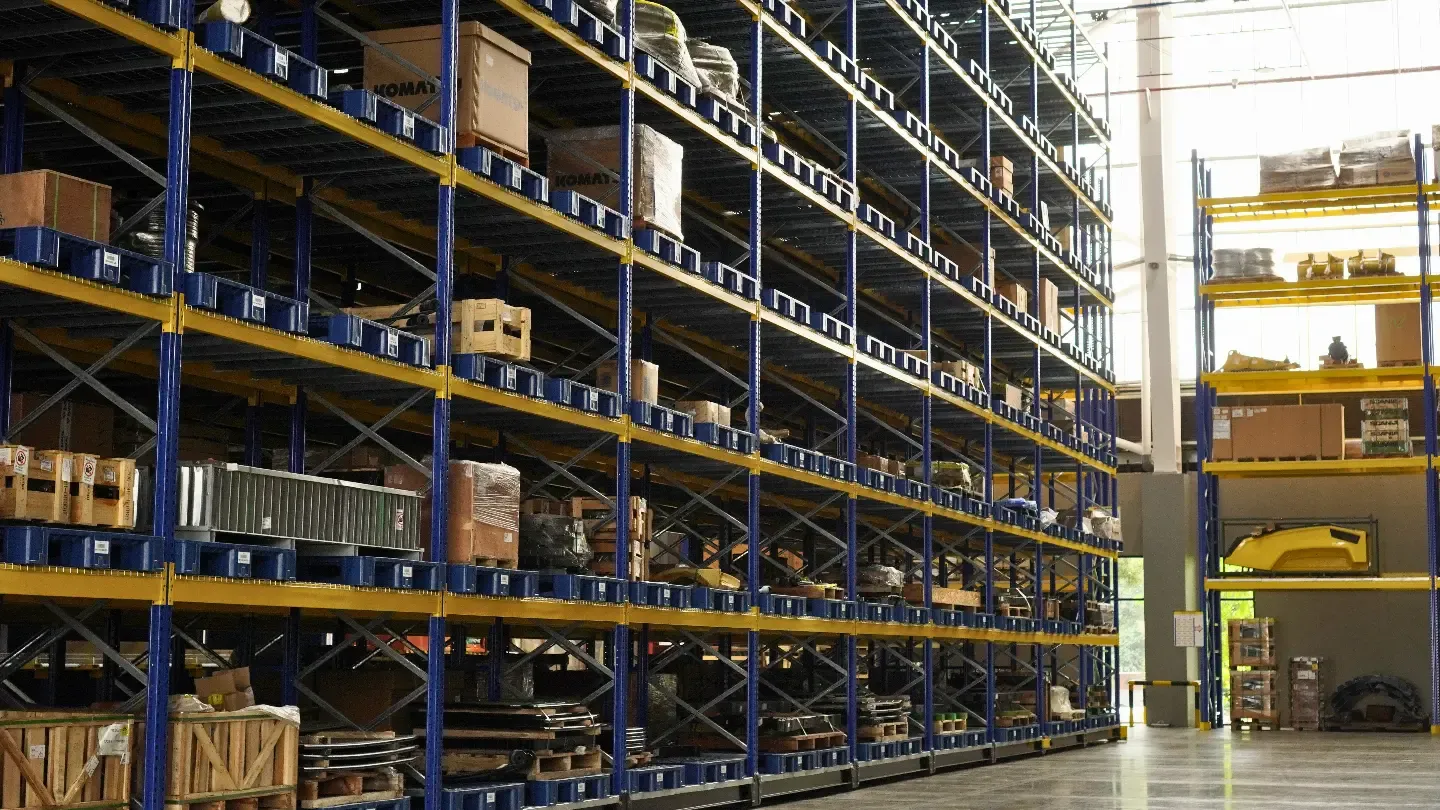
The basic principle is to create a clear flow with as little movement as possible. Make the process flow in one direction, starting from receiving, storage, picking, packing, and then dispatch.
Separate the receiving and shipping areas so that loading and unloading activities do not interfere with one another. Pathways for workers and material handling equipment also need to be determined while considering safety and operational capacity.
The distance traveled by pickers also needs to be taken into account. Design the placement of goods and the picking sequence so that they do not have to repeatedly go back and forth through the same aisle.
2. Implement slotting and ABC analysis
Once the workflow is organized, determine where items will be stored. This strategy is called slotting, which involves assigning storage locations based on item characteristics and operational needs.
One method that can be used is ABC analysis, which groups products based on their picking frequency or turnover rate, as follows:
- Category A (fast-moving): Place near the picking and packing areas, in easily accessible locations
- Category B: Place in the next area
- Category C (slow-moving): Store in more distant locations
However, turnover rate isn’t the only consideration. Size, weight, product characteristics, and restocking frequency must also be taken into account.
Heavy items, for example, should be placed in positions that support safe and ergonomic handling.
3. Choose a picking method based on order volume
The appropriate picking method depends on the number of orders, SKU variety, and demand patterns. There are four commonly used methods, including:
- Single-order picking: The picker completes one order before moving on to the next
- Batch picking: Multiple orders are combined into a single trip, especially if they contain the same SKUs, thereby minimizing repetitive trips
- Zone picking: The warehouse is divided into several zones. Each picker is assigned a specific area, and items from each zone are then combined according to the order
- Wave picking: Picking is organized based on time groups, shipping schedules, or order priority
Each method, of course, has its own advantages and specific requirements. Don’t hesitate to combine several strategies at once depending on the complexity of your operations.
4. Maintain shelf labels and evaluate the layout regularly
Layout optimization can start with something simple: ensuring that every shelf, aisle, and storage location is clearly and consistently labeled. Other factors to consider include:
- Aisle widths must accommodate the equipment used, such as hand pallets or forklifts, including maneuvering requirements and safety standards
- Return and quarantine areas should be separated from ready-to-sell inventory to prevent items that haven’t passed inspection from being picked
- Slotting evaluations should be conducted periodically, such as quarterly or when demand patterns change
5. Utilize a WMS to speed up picking
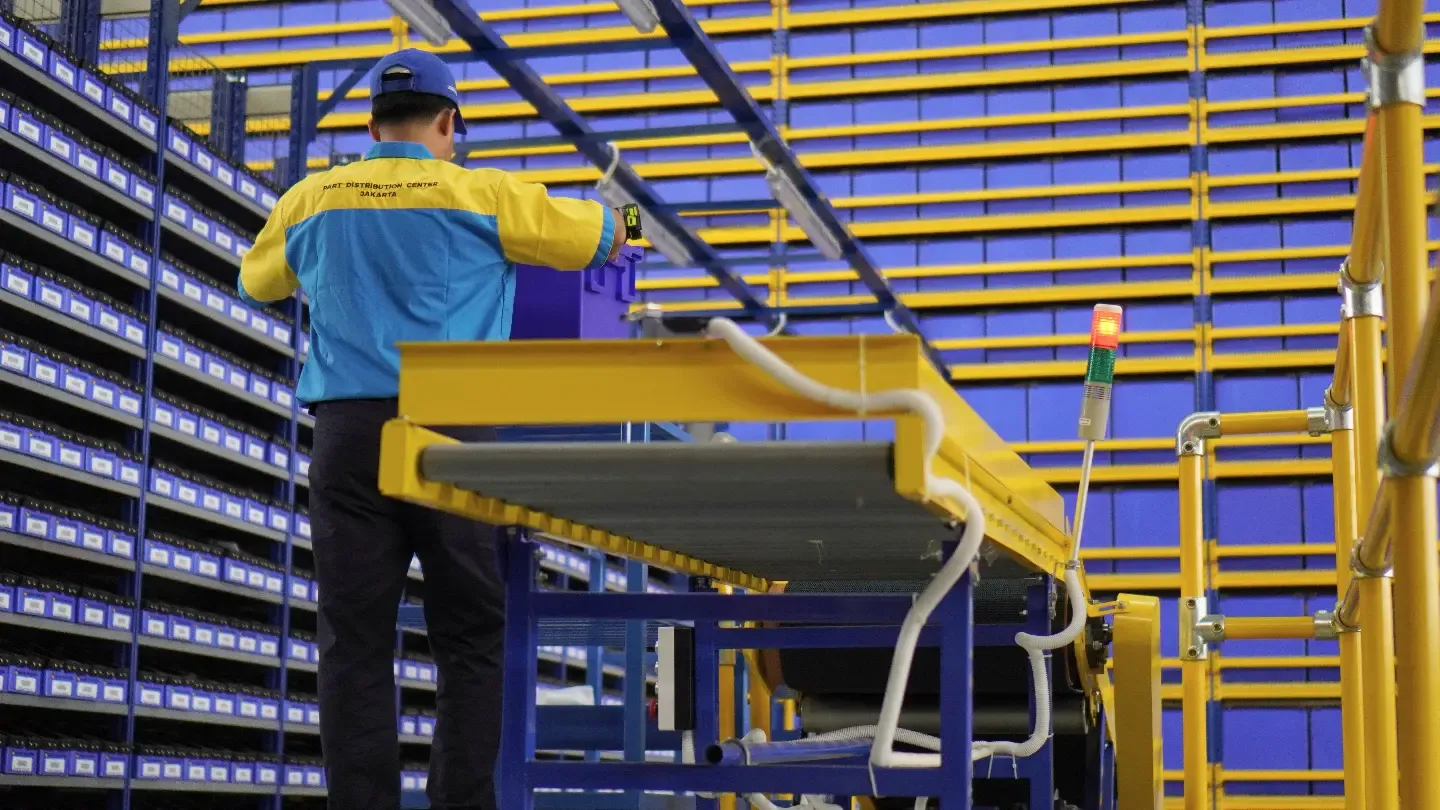
A Warehouse Management System (WMS) provides greater visibility and control over warehouse operations. This system is extremely helpful in monitoring inventory locations, the movement of goods, and the picking process.
Historical inventory turnover data from the WMS can also be used to evaluate SKU placement and identify the most frequently picked products.
It can also support the generation of automatic pick lists, depending on the system’s capabilities and configuration.
Optimize Inventory Management with SELOG Warehousing
Inventory management within a warehouse is not merely about organizing goods to facilitate the picking process. During peak season, the challenges are clearly different. An ideal combination of human resources, technology, and transportation modes is required.
Given all these challenges, partnering with a professional logistics provider is clearly a strategic move to ensure warehouse operations run more smoothly.
One logistics company that can be a viable option for seamless warehouse management is SELOG, a subsidiary of PT Serasi Autoraya (SERA), which is also part of the Astra Group.
With over 20 years of experience in the logistics industry, SELOG offers modern warehousing services featuring an integrated inventory management system with the following advantages.
- An extensive and strategically located network of warehouses across various regions in Indonesia
- An integrated warehouse management system for real-time inventory monitoring
- Secure, modern storage facilities tailored to industry needs
- Supported by a team of professionals with extensive experience in logistics and supply chain management
SELOG’s services are further enhanced by a Warehouse Management System (WMS), enabling accurate monitoring of every process—from incoming goods to binning and picking.
In addition to warehousing, SELOG also provides comprehensive logistics services: Shipping, Freight Forwarding, Trucking, and Project Cargo.
For more information about SELOG’s services, visit the official website at www.selog.astra.co.id and follow SELOG on social media:
- Instagram: @selog_astra
- LinkedIn: SELOG
FAQs about warehouse layout and picking
What is slotting in a warehouse?
Determining the storage location of goods based on their characteristics and operational needs, such as through ABC analysis.
What is ABC analysis?
Grouping products based on their picking frequency or turnover rate to determine which items should be placed closest to the picking area.
Which picking method is best?
There is no one-size-fits-all answer for every warehouse. The choice depends on order volume, SKU variety, and demand patterns, and multiple methods can be combined.
How often should the layout be evaluated?
It can be done quarterly, or when demand patterns change, including ahead of peak season.
Is a WMS required?
Not always, but a WMS helps with inventory visibility and the picking process, especially when order volumes increase.



Information & Tips
News
16 Oktober 2026
Advantages of Wingbox Trucks Over Other Types of Trucks for Goods Delivery
News
7 Oktober 2026
Types of Logistics Transportation for Goods Distribution and Their Advantages

News
2 Oktober 2026
SELOG Wins Domestic Investment Award at the 2026 Jakarta Investment Award

News
15 April 2025
SELOG Receives 3 Innovation Awards from TAM

News
15 April 2025
Becoming Halal Certified, SELOG Strengthens Its Halal Products Distribution in Indonesia

Information & Tips
News
7 Februari 2025
SELOG Achieves SMK PAU Certification
Make sure you have the latest SELOG and Logistics information updates
Please enter your email to get the latest news or articles from us.