
Information & Tips
6 November 2026
Understanding FIFO, FEFO, and LIFO Inventory Issuance Methods in Warehouses
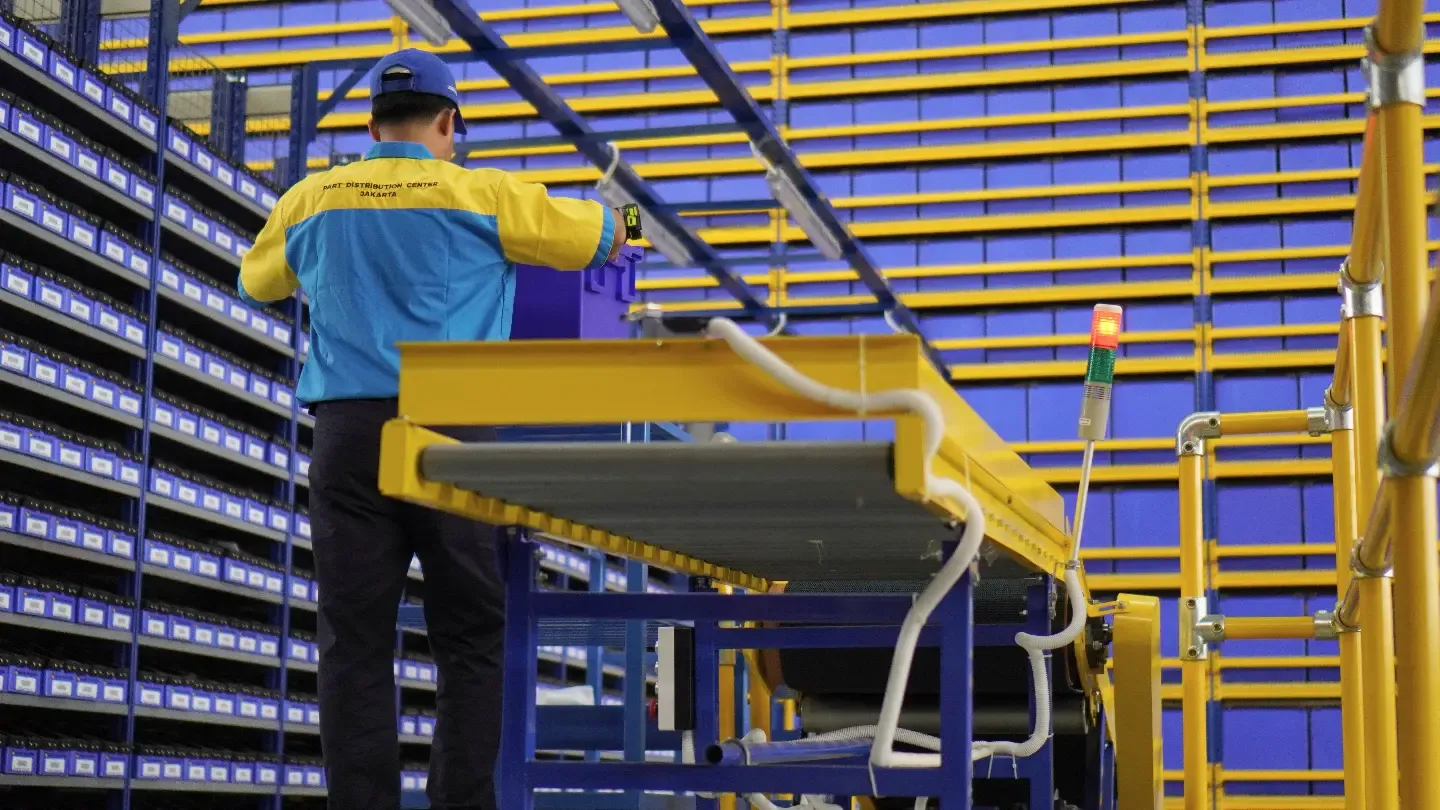
There are three methods commonly used in the process of issuing inventory from a warehouse: FIFO, FEFO, and LIFO.
- FIFO releases the items that entered the warehouse the longest ago
- FEFO releases items nearing their expiration date
- LIFO releases the items that entered the warehouse most recently
These three methods do more than just determine the order in which items are released. They also manage inventory turnover effectively, prevent items from sitting on the shelf too long—which can degrade their quality—and minimize discrepancies between inventory records and the physical condition of the goods.
What Is FIFO (First In, First Out)?
Simply put, the items received first are the ones removed first. Products that arrive at the beginning of the month, for example, are prioritized for removal before stock that arrived later.
This results in a more organized flow of inventory and is relatively easy to implement. It’s suitable for the retail industry, FMCG, packaged foods, or spare parts managed based on storage age.
It’s important to note that the order of arrival isn’t always the same as the order of expiration. Therefore, for products with expiration dates, these must be checked first.
What is FEFO (First Expired, First Out)?
FEFO prioritizes items based on the nearest expiration date, regardless of when they entered the warehouse. This method is particularly suitable for food, beverage, pharmaceutical, and FMCG products with limited shelf lives.
For example: Product A arrives on October 1 with an expiration date of December 30, while Product B arrives on October 5 with an expiration date of November 15.
If the FEFO method is used, Product B must be removed first even though it arrived later. This helps mitigate the risk of products expiring and better preserves product quality.
What is LIFO (Last In, First Out)?
Meanwhile, LIFO prioritizes the items that were received last. This method can be naturally applied to stacked storage where access is easier from one side.
The most suitable application is for materials that are not sensitive to shelf life, such as sand, rocks, soil, or heavy construction materials stacked in bulk storage.
However, with this method, older stock risks being left behind. Therefore, LIFO is not ideal for products with expiration dates or those prone to quality degradation.
How do you choose the right method?
Selecting the right method can begin by identifying product characteristics, such as:
- Products with expiration dates or short shelf lives: prioritize FEFO
- General goods managed based on order of receipt: FIFO is more appropriate
- Bulk materials without a shelf life: LIFO can be considered for physical layout, provided safety and operational requirements are maintained
However, all method implementations must be data-driven. Using a Warehouse Management System (WMS) can help manage the receipt, storage, and issuance of goods in a more structured manner.
This technology can also support the tracking of batches, expiration dates, storage locations, and picking instructions in accordance with inventory rotation rules.
With integrated data and consistent implementation of procedures, inventory visibility will certainly improve, and picking errors can be reduced.
Efficient Inventory Management with SELOG Warehousing
Warehouse management is a critical part of the supply chain that requires a combination of human resources, operations, technology, and transportation modes.
Given all the challenges and dynamics involved, partnering with a professional logistics provider is a strategic step to ensure warehouse operations run in a more structured and measurable manner.
One logistics company worth considering for seamless warehouse management is SELOG, a subsidiary of PT Serasi Autoraya (SERA), which is also part of the Astra Group.
With over 20 years of experience in the logistics industry, SELOG offers modern warehousing services featuring an integrated inventory management system with the following advantages.
- An extensive and strategically located network of warehouses across various regions in Indonesia
- An integrated warehouse management system for real-time inventory monitoring
- Secure, modern storage facilities tailored to industry needs
- Supported by a team of professionals with extensive experience in logistics and supply chain management
SELOG’s services are further enhanced by a Warehouse Management System (WMS), ensuring that every process—from incoming goods, binning, to picking—can be accurately monitored.
In addition to warehousing, SELOG also provides comprehensive logistics services: Shipping, Freight Forwarding, Trucking, and Project Cargo.
For more information about SELOG’s services, visit the official website at www.selog.astra.co.id and follow SELOG on social media:
- Instagram: @selog_astra
- LinkedIn: SELOG
FAQs about FIFO, FEFO, and LIFO
What’s the difference between FIFO and FEFO?
FIFO is based on when goods are received, while FEFO is based on when goods expire. For products with expiration dates, FEFO is safer because goods received earlier aren’t necessarily the first to expire.
When is FEFO more appropriate than FIFO?
When products have a limited shelf life, such as food, beverages, and pharmaceuticals.
Can LIFO be used in a warehouse?
As a physical storage method for certain bulk materials, yes. However, for inventory valuation in financial statements, LIFO is not permitted in Indonesia.
Can a single warehouse use multiple methods at the same time?
Yes, depending on the characteristics of each product category.
What is needed for FEFO to work effectively?
Accurate recording of expiration dates and batch numbers, ideally supported by a WMS.



Information & Tips
News
16 Oktober 2026
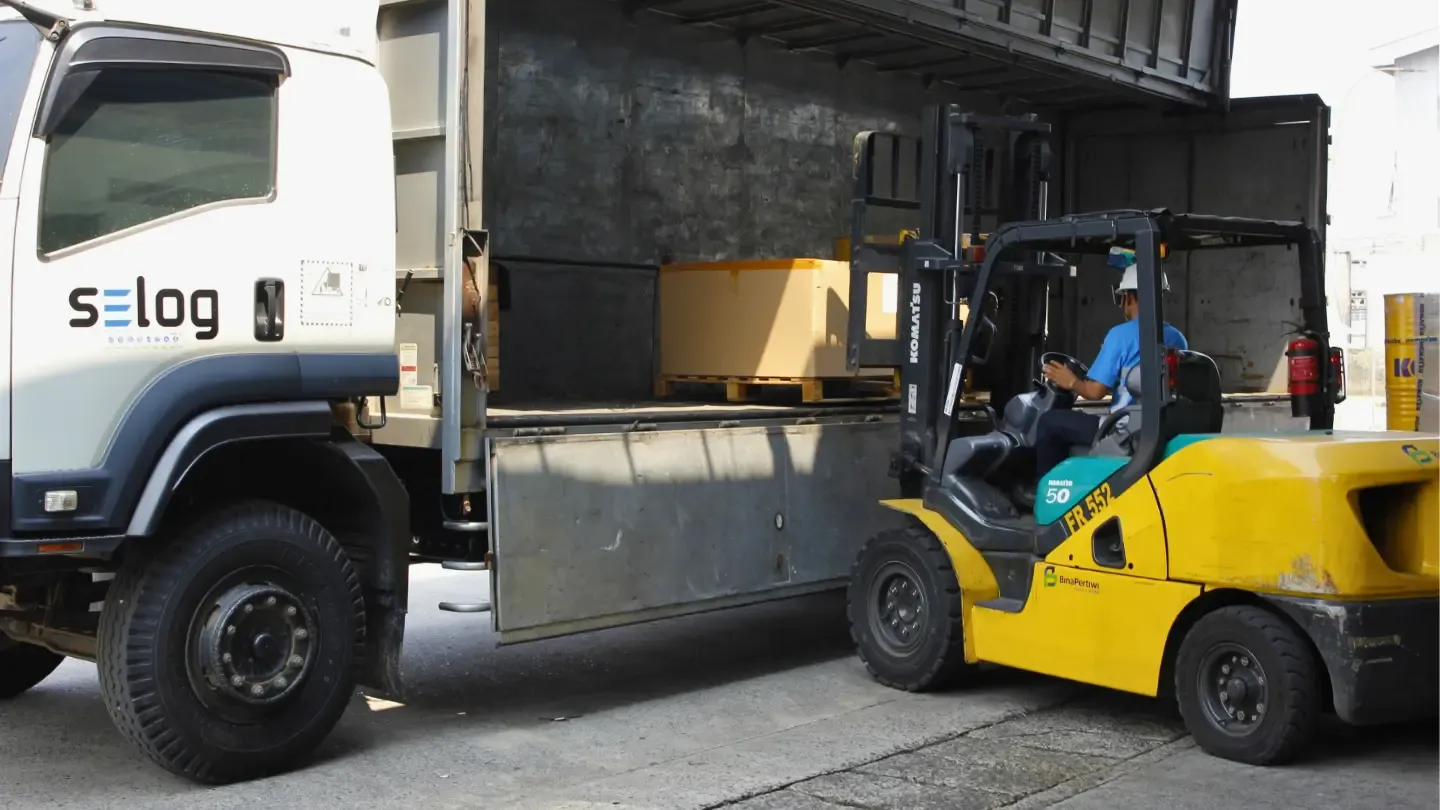
Advantages of Wingbox Trucks Over Other Types of Trucks for Goods Delivery
News
7 Oktober 2026
Types of Logistics Transportation for Goods Distribution and Their Advantages
News
2 Oktober 2026
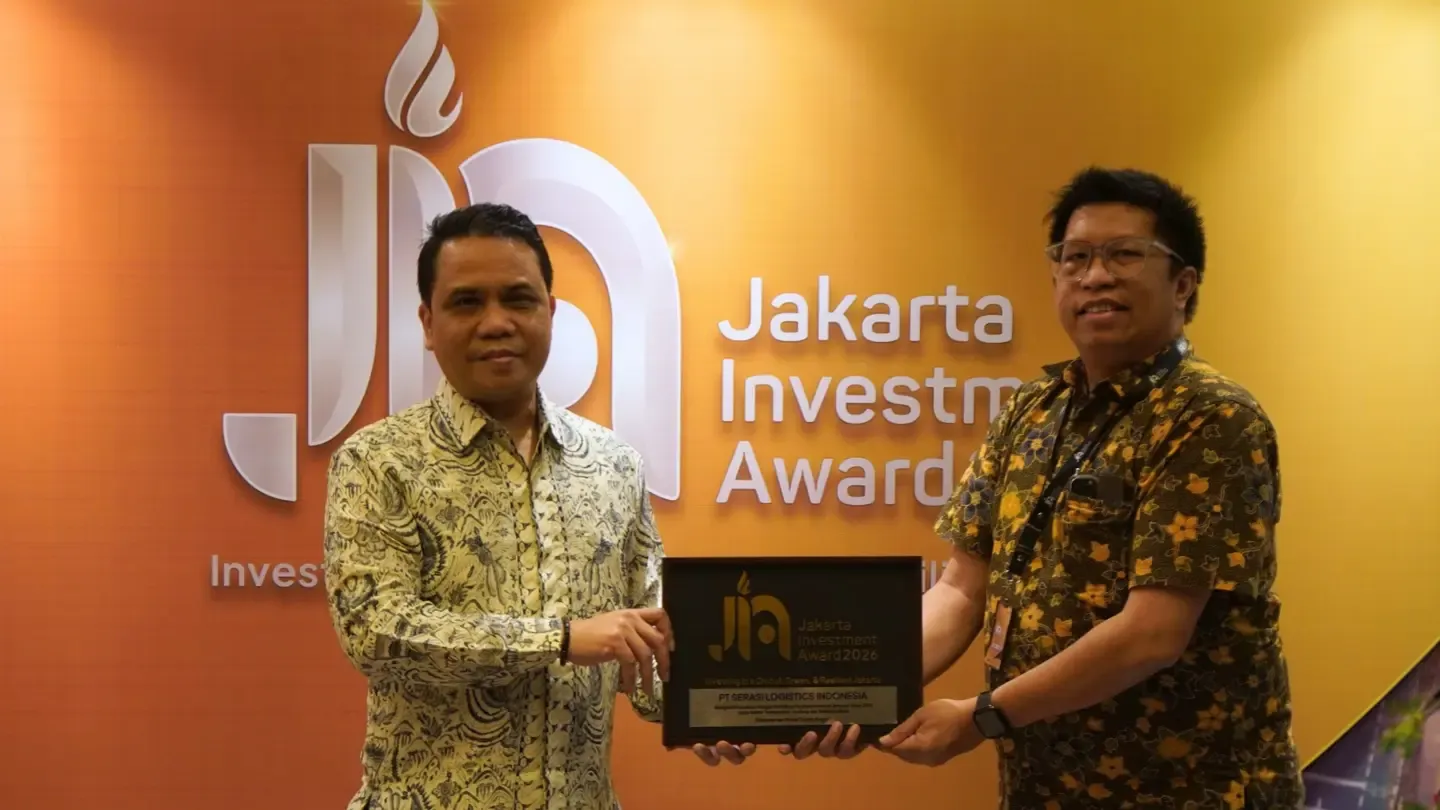
SELOG Wins Domestic Investment Award at the 2026 Jakarta Investment Award

News
15 April 2025
SELOG Receives 3 Innovation Awards from TAM

News
15 April 2025
Becoming Halal Certified, SELOG Strengthens Its Halal Products Distribution in Indonesia

Information & Tips
News
7 Februari 2025
SELOG Achieves SMK PAU Certification
Make sure you have the latest SELOG and Logistics information updates
Please enter your email to get the latest news or articles from us.