
Information & Tips
4 November 2026
20-feet, 40-feet, and 40 HC Container Sizes Which One Is Right for You
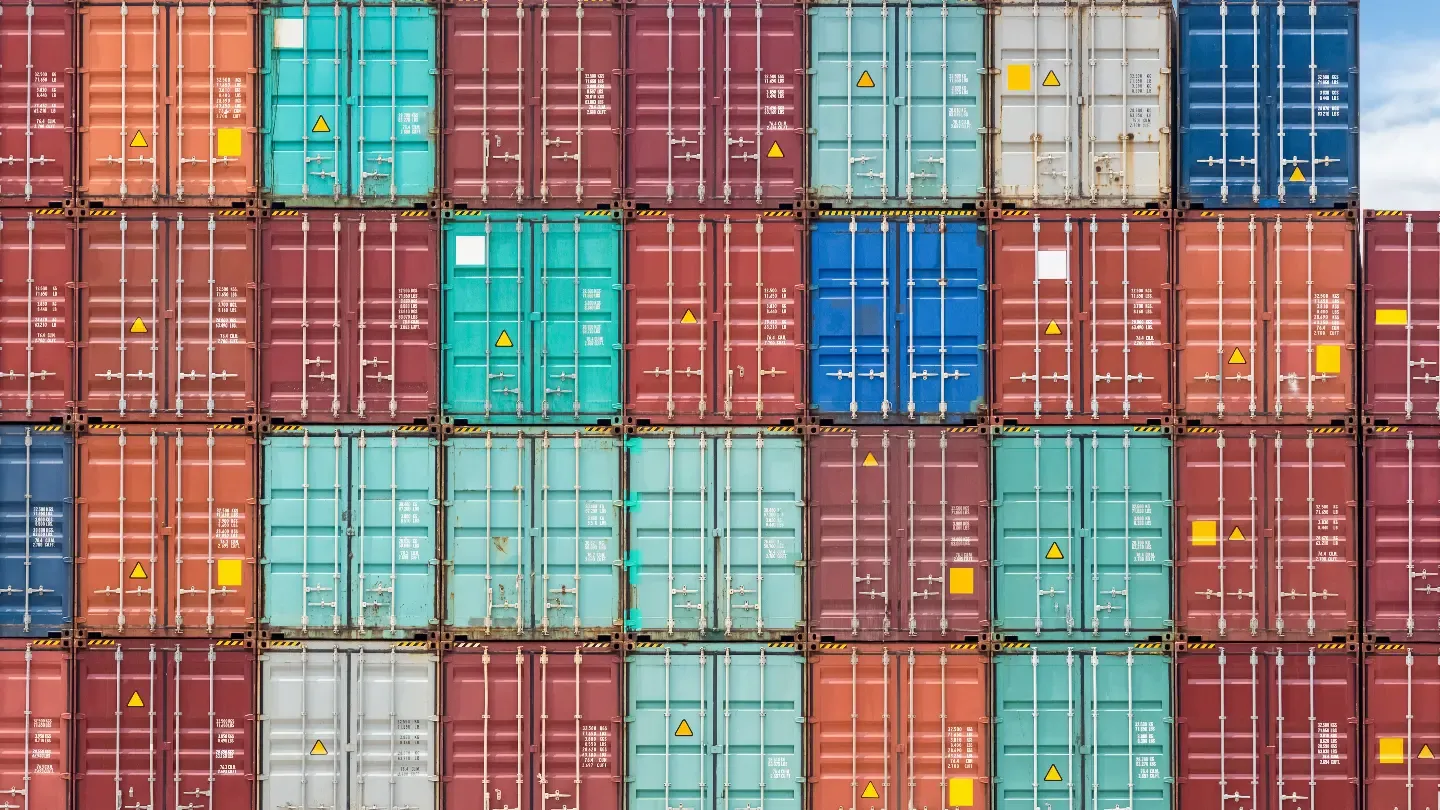
In distribution, particularly by sea, containers are often relied upon as vessels for storing cargo. There are three types of containers commonly used globally: 20-feet, 40-feet, and 40 HC containers.
The 20-feet container is suitable for heavy cargo with a compact volume. Meanwhile, the 40-feet container is designed to carry large quantities of medium-volume goods, and the 40 High Cube (40 HC) is intended for large, relatively lightweight items.
The cargo volumes for these three types range from 33 m³, 67 m³, and 76 m³, respectively. Therefore, choosing the right size is crucial for those who regularly engage in import and export activities.
What are the differences between 20-feet, 40-feet, and 40 HC containers?
20-feet Container
A 20-feet container has a volume of approximately 33 m³. Its payload capacity depends on the empty weight and the container’s maximum gross weight rating of 28 metric tons. However, some units have a lower rating with a payload capacity of around 21.6 metric tons.
40-feet Container
A 40-feet container offers a longer floor and a volume of approximately 67 m³ with a maximum payload of 28 metric tons. So, even though its volume is nearly double that of a 20-feet container, its payload capacity remains the same.
This type of container is commonly used to transport large quantities of medium-volume goods.
40 HC Container
The 40 HC container is about 30 cm taller than the 40-feet container, with a volume of approximately 76 m³ and a payload of about 26.7 metric tons—slightly less than the 40-feet container due to its higher empty weight.
It is the go-to choice for transporting relatively lightweight bulky goods, such as furniture, textiles, and packaged products.
3 Tips for Choosing the Right Container
Container selection should be based on three key factors: the specific gravity of the cargo, the container’s gross weight and load limits, and access to the loading and unloading locations.
1. Analyze the specific gravity of the cargo
Dense and heavy goods, such as cement or steel, are generally better suited for shipment in 20-feet containers. Meanwhile, lightweight goods with large volumes, such as clothing or foam, are better suited for a 40 HC container.
2. Check the container’s gross weight and overland load limits
Ensure the total weight of the cargo and container does not exceed the container’s limits and the tonnage regulations for the overland route from the port to the destination warehouse.
3. Check access to the loading and unloading location
Ensure the recipient’s warehouse area has sufficient maneuvering space for a trailer truck transporting a 40-feet container.
SELOG Freight Forwarding: Domestic and International Logistics Solutions
Choosing the right container isn’t just about size. It also involves aligning with the specific weight requirements of the goods, gross weight limits, and onward distribution to the destination warehouse.
One logistics company that can serve as a strategic partner to ensure smooth import and export operations is SELOG, a subsidiary of PT Serasi Autoraya (SERA), which is also part of the Astra Group.
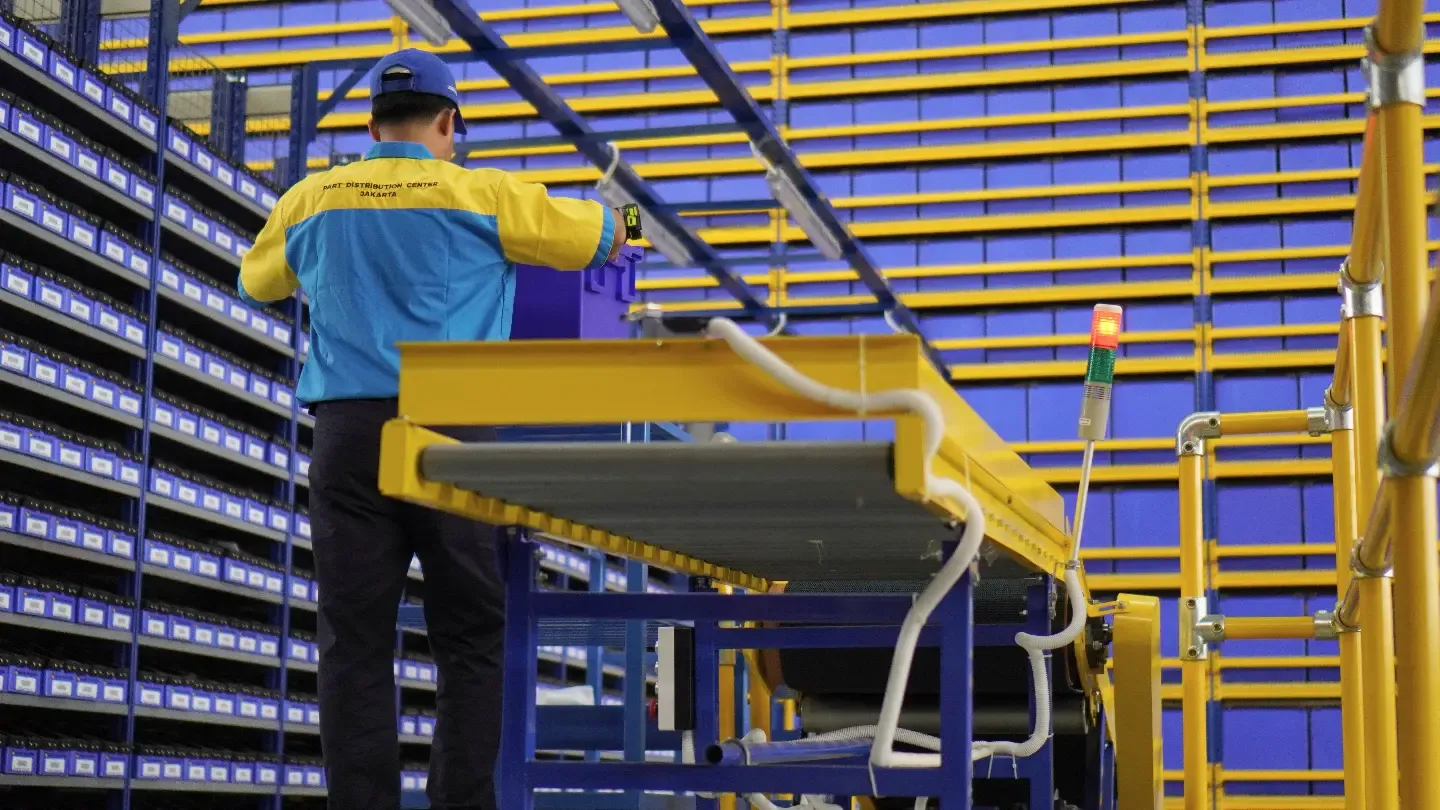
SELOG provides domestic and international freight forwarding services supported by various logistics facilities, such as warehouses, a truck fleet, and Ro-Ro vessels to support the entire distribution process.
In addition to freight forwarding services, SELOG also offers a range of comprehensive end-to-end logistics solutions, including:
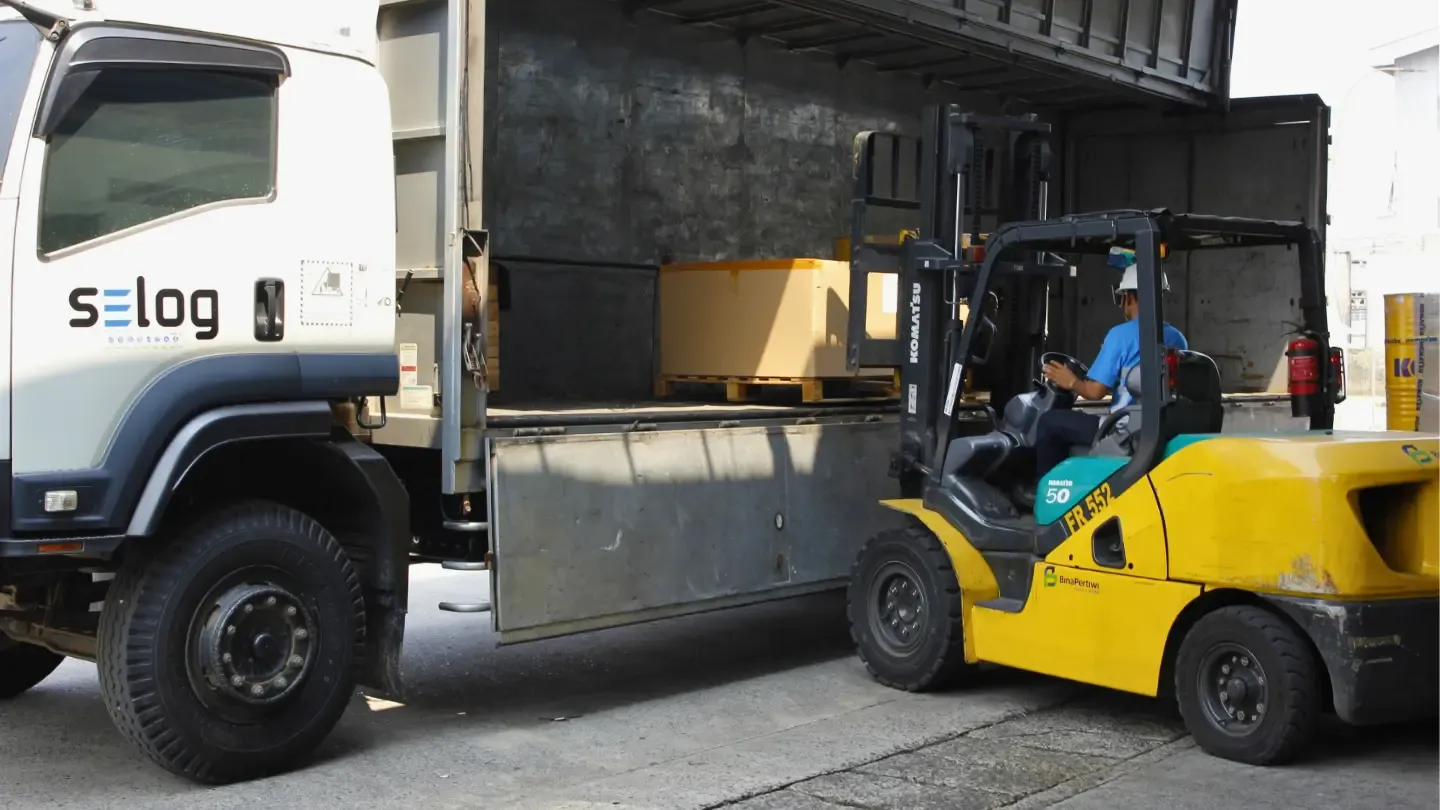
- Trucking
- Shipping Services
- Warehousing
- Project Cargo
SELOG’s services are also supported by the latest digital technologies, which not only simplify operations but also enhance business effectiveness and efficiency.
One example is the implementation of the Astra Fleet Management Solution (AstraFMS) and the Warehouse Management System (WMS).
For more information about SELOG’s profile and services, visit the website at www.selog.astra.co.id and follow SELOG on social media:
- Instagram @selog_astra
- LinkedIn: SELOG
FAQs About Container Sizes
What are the capacities of 20-feet, 40-feet, and 40 HC containers?
Approximately 33 m³, 67 m³, and 76 m³. The payload per unit varies, so check the actual specifications with the service provider.
Can a 40-feet container hold twice the weight of a 20-feet container?
No. The volume is nearly double, but the payload is roughly the same.
When should you choose a 40 HC?
When the cargo is bulky and relatively light, so the space fills up before the weight limit is reached.


Information & Tips
News
16 Oktober 2026
Advantages of Wingbox Trucks Over Other Types of Trucks for Goods Delivery
News
7 Oktober 2026
Types of Logistics Transportation for Goods Distribution and Their Advantages

News
2 Oktober 2026
SELOG Wins Domestic Investment Award at the 2026 Jakarta Investment Award

News
15 April 2025
SELOG Receives 3 Innovation Awards from TAM

News
15 April 2025
Becoming Halal Certified, SELOG Strengthens Its Halal Products Distribution in Indonesia

Information & Tips
News
7 Februari 2025
SELOG Achieves SMK PAU Certification
Make sure you have the latest SELOG and Logistics information updates
Please enter your email to get the latest news or articles from us.